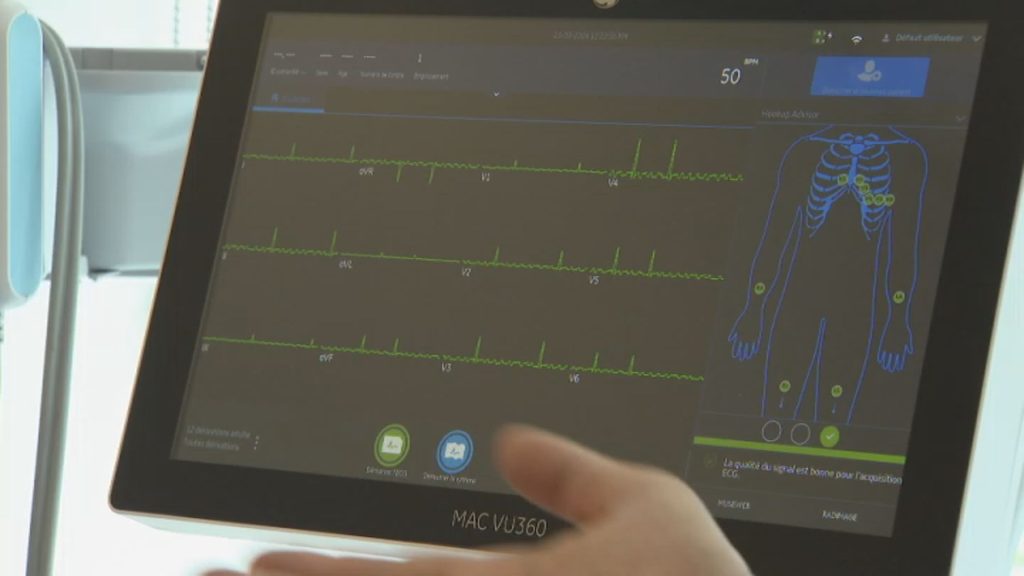
Montreal Heart Institute opens new heart valve centre to double patient capacity by 2028
Posted June 20, 2025 12:14 pm.
Last Updated June 20, 2025 5:55 pm.
The Montreal Heart Institute (MHI) Foundation has announced the opening of the MHI’s Heart Valve Centre, a major medical and scientific initiative aimed at reducing waitlists and doubling the number of patients treated for valve disease by 2028.
The new centre is expected to become a national hub and position the MHI among the top 10 most advanced heart valve centres in the world.
“This new centre for highly specialized care represents a major advance in how valve disease is treated. It also perfectly embodies our vision to make medical excellence accessible to patients both here and abroad. It’s a cutting-edge centre that will allow us to save more lives,” said Dr. Peter Guerra, Head of Specialized Medicine at the MHI.
Heart valve disease affects one in 40 Canadians and is expected to become more prevalent as the population ages. By 2040, an estimated 1.5 million Canadians over 65 will be living with the disease.
“What this centre brings is that all people are working together, so instead of doing two to three cases because we are not pushing the same way – now all the forces are here,” said Montreal Heart Institute Heart Surgeon Dr. Walid Ben Ali.
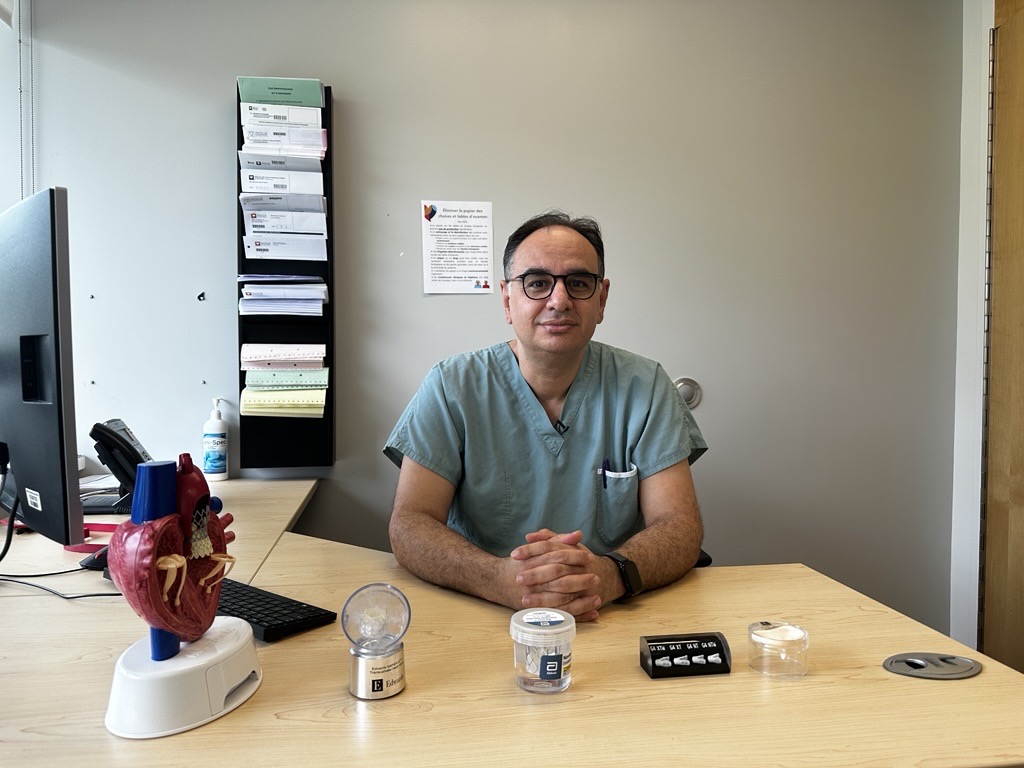
Dr. Ali explained that the centre will have an interdisciplinary approach with heart failure specialists from CT scan radiologists, cardiac surgeons, and experts in echocardiography — which is a medical imaging technique using ultrasound to create detailed images of the heart’s structure and function.
‘To have the best treatment for every single patient’
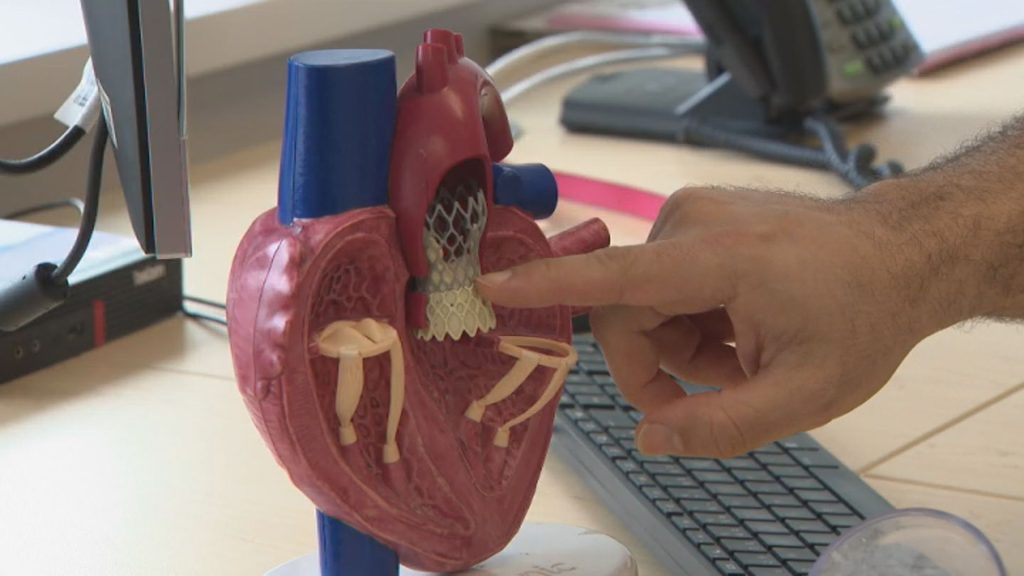
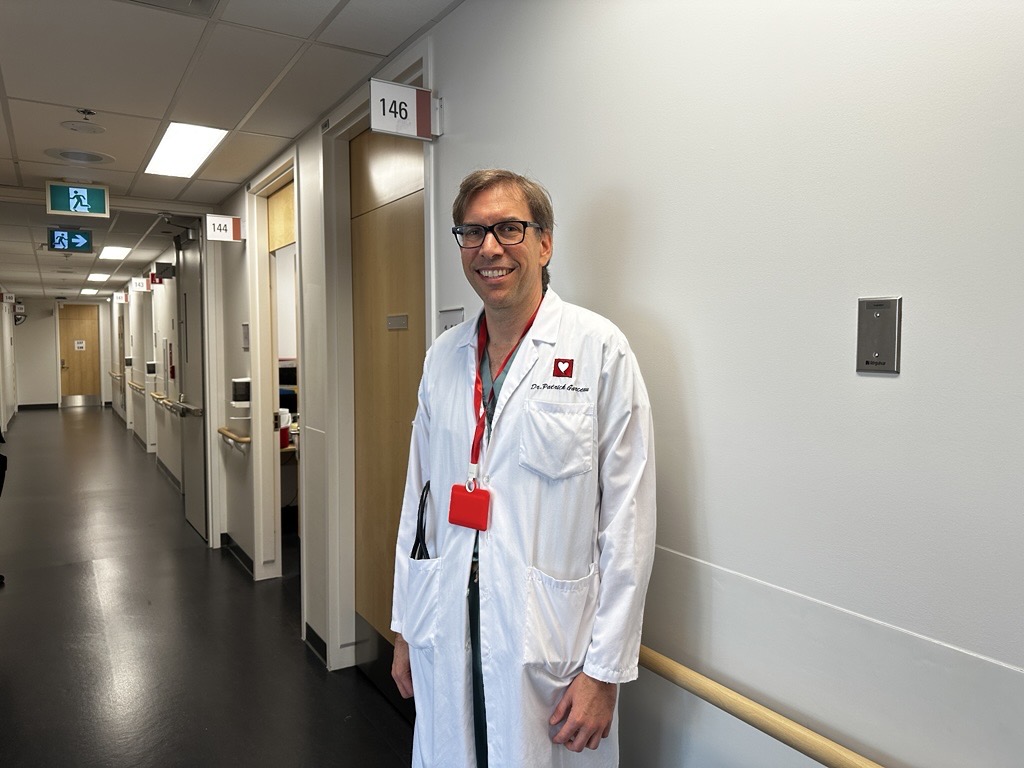
Echocardiographer Dr. Patrick Garceau says recent advances in percutaneous valve therapies have revolutionized treatment.
“I think we can cure some of the disease without having to be hospitalized for a long period,” says Dr. Garceau.
“I think we’re going to change the way medicine has been done for the last 25 years.”
Dr. Ali says transcatheter aortic valve implantation – which is a procedure to replace a damaged aortic valve using a catheter – now eliminates the need to conduct open surgery thanks to the centre’s advancements.
These minimally invasive procedures also reduce pain, medication use, and hospital stays.
During the interview, Dr. Ali and Dr. Garceau detailed the procedure, noting that two patients had already tbeen reated earlier in the morning, signifying a crucial need among patients
“You have the aortic valve with the new proteases and what we do is stick in the groin, you go with your catheter through the aorta, and you deploy the valve and after you retrieve your delivery system, the new valve is functional,” Dr. Ali explained.
In just one week, MHI teams performed mitral and tricuspid procedures on 23 patients using a single operating room—a North American record.
The MHI plans to complete 1,000 percutaneous aortic valve replacements and 400 mitral and tricuspid procedures annually, more than doubling its current output. Dr. Garceau says he anticipates the doubling of intervention based on the aging population.
“What we want to do is to have access to new technologies, including valve and including imaging,” Dr. Garceau explained on the centres goals.
The MHI Foundation is investing over $5 million to fund operating rooms, simulation equipment, and research and education projects to support the centre’s growth.
“65 per cent of patients who are hospitalized at the MHI are discharged the day after this new procedure. And most can resume their daily activities a week later,” said Dr. Ali.
“This is amazing.”