Culturally safe spaces for Indigenous mothers created by Montreal hospital
Posted July 8, 2022 5:24 pm.
Last Updated July 8, 2022 6:42 pm.
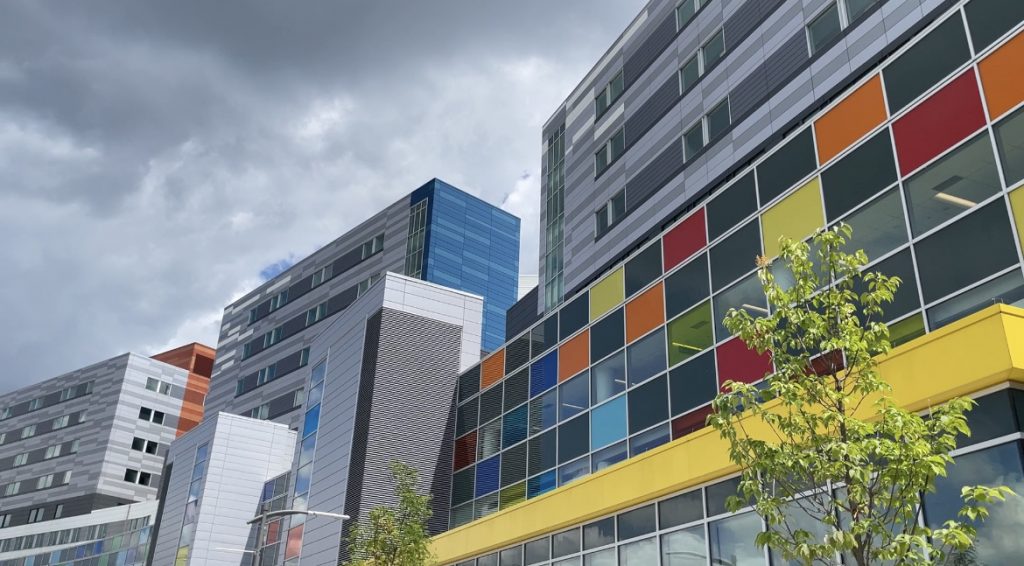
A Montreal hospital is creating safer spaces for Indigenous mothers who have to give birth far from home.
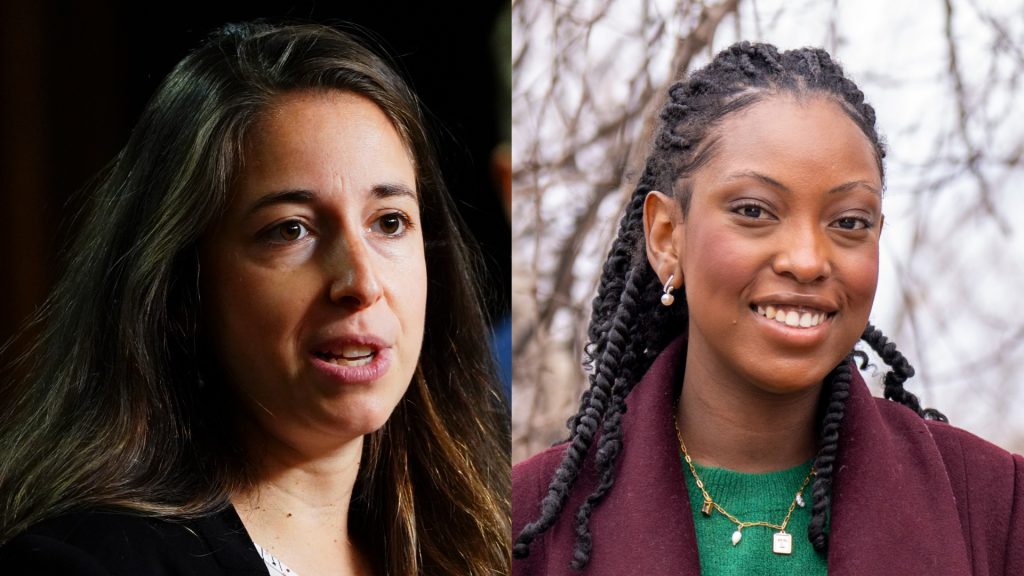
“I hope that this helps everybody who comes down even a little bit,” says Hilah Silver, a nurse clinician at the MUHC.
For many Indigenous mothers, a high-risk pregnancy means they will have to travel from their homes in northern Quebec communities – to Montreal to give birth, an experience the McGill University Health Centre says it’s working to make more culturally safe.
“We started looking at, okay, well, how do we improve and support the experience for families that are coming down to Montreal to give birth,” Silver tells us.
She adds that it is not a new problem, “Inuit have been speaking up about this for decades, literally decades, and nobody’s been listening and so what we see as we see it is our responsibility to listen.”
“I’m so glad that this is coming into the light. We’re starting to be seen a little bit more,” says Paasa Lemire.
Lemire knows firsthand the experience of having to travel over a thousand kilometres to Montreal to give birth, an experience she says was scary and difficult.
“My pregnancy was going very well for the first seven months like we were even planning to do a home birth, which I was very excited for. But at the very last minute, my blood pressure was getting really black, really bad, and I was getting into pre-eclampsia. So I had to be sent down.”
Now one of the two Indigenous mothers consulting on the project, Paasa says, it’s an initiative that allows Inuit women to finally be heard – the program is also consulting with Inuit midwives and a Cree physician to help in the development and training of staff at the hospital.

“Really try and increase staff competency and knowledge in cultural safety and in indigenous health… so we’re doing a variety of things, but we’re organizing a series of training by midwives and physicians who are actually coming in to train staff on how to support families in the perinatal period, support families in labour and delivery,” describes Silver.
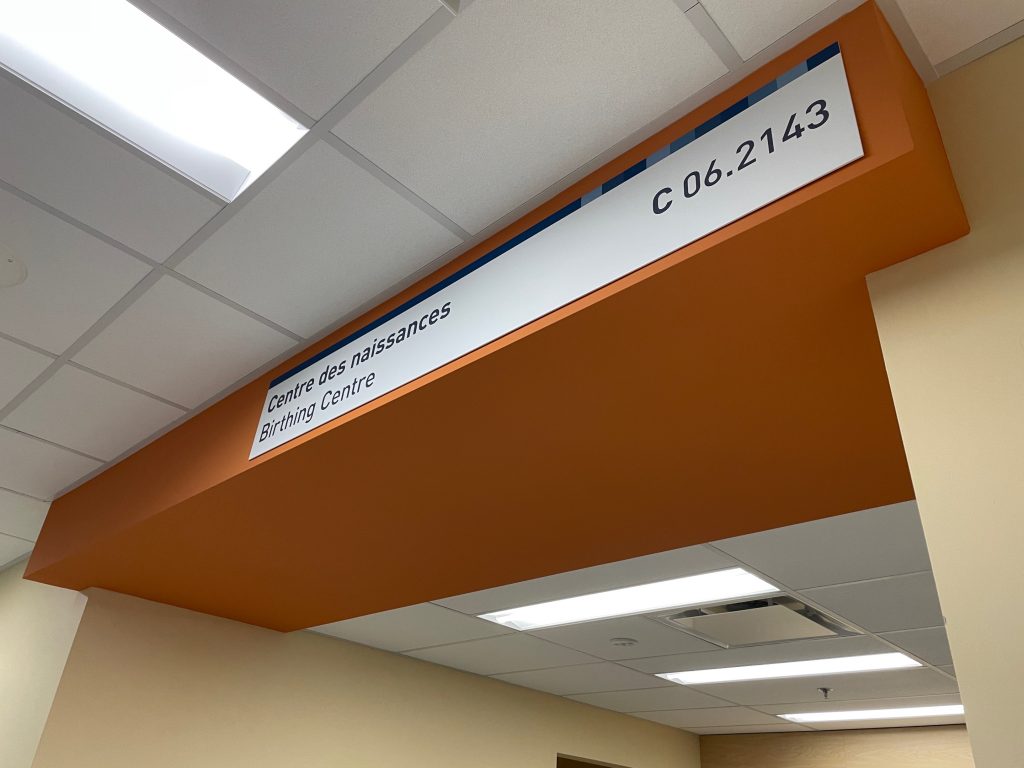
The hospital will be making several changes at its birthing center throughout the year, like allowing more visitors, so that more family members of the mother are able to witness the birth. They’ll also be freeing up fridges and freezers so families can bring traditional foods. Overall they will be making more space for traditional practices. Something Silver says are basic touches “ to try and create a little bit more of an environment that allows for a sense of belonging and a sense of familiarity.”
The MUHC says an average of 315 Indigenous women at risk of a pregnancy complication must fly to the hospital annually.
And while Silver hopes the program will help as many mothers as necessary, for her the ultimate goal is to allow mothers to give birth in their own communities with their loved ones
“That is the ultimate goal is birth at home, on the land for people in their communities, which should be a right for every person… until that time, I really hope that it manages to support and reach out to and touch the hearts of all the families that come down.”