More social housing needed in city’s Bridge-Bonaventure redevelopment plan, councillor says
Posted March 30, 2023 10:14 am.
Following the release of the Bridge-Bonaventure Master Plan on Wednesday by Montreal’s Executive Committee, Craig Sauvé, the independent councillor who represents Pointe-St-Charles and Griffintown, areas affected by the proposed changes, says the plan doesn’t go far enough when it comes to social housing.
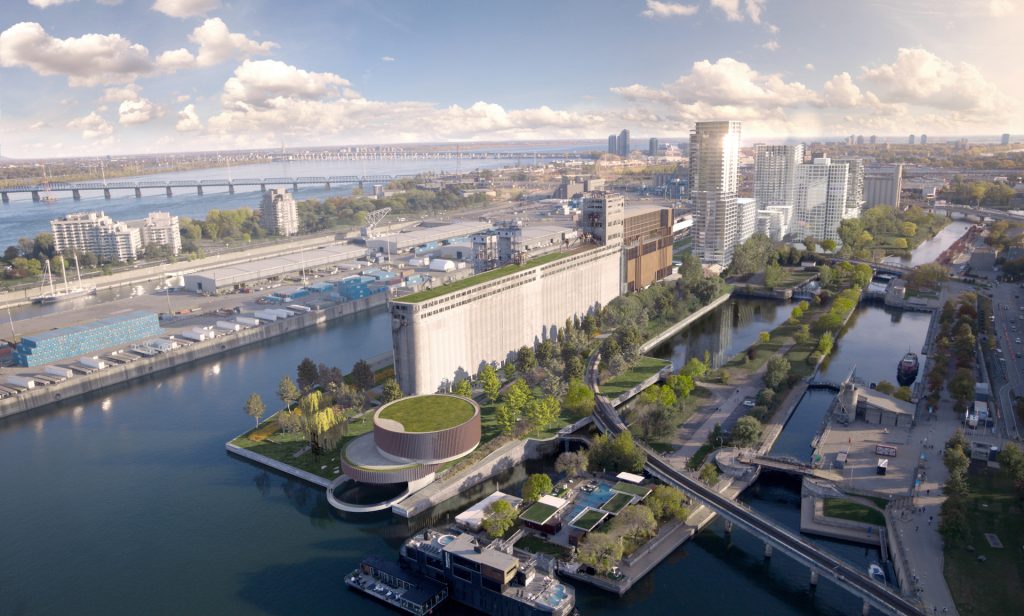
The ambitious city plan aims to develop what has mostly been a slightly neglected, industrial area. The plan, which still needs to be approved by the Office de consultation publique de Montréal later this year, will see two REM stations and 7,600 housing units built. It also expands Montreal’s bike paths by an additional 12 kilometres, and will leave Montreal residents with an additional five kilometres of accessible public shoreline to be enjoyed.
Right now, the plan aims to provide 20 percent social housing units, 20 percent family units, and another 20 percent affordable housing.
But Sauvé says that, while the plan has many merits, it’s lacking in terms of housing affordability.
“For more than 10 years, the population of Point Saint-Charles has been campaigning for a significant portion of the Peel Basin sector to be reserved for social housing,” Sauvé said in a press release. “It is imperative that clear and ambitious targets in this area be confirmed in the final plan. That is not the case at this time.”
Sauvé points out that there’s a huge lot owned by the Canada Lands Company (CLC) across from the Peel Basin and urges the federal government to give this land to the city in order to reserve large portions of it for affordable housing.
“Let’s make the Peel Basin neighbourhood the most inclusive neighbourhood in Montreal’s history,” he says. “To do this, the city and the Government of Canada must reserve more space for community housing. With the CLC land and a willingness on the part of the municipality, we could create a neighbourhood with up to 40-50% of units which are deeply affordable. This would be an incredible legacy in terms of social equity that would be felt for generations to come,” says the councillor.
Sustainable transportation, the other priority for the Peel Basin neighbourhood
Sauvé also urges the city to prioritize sustainable transportation and focus on creating a car-free neighbourhood.
The city’s proposed plan calls for around 2,500 to 3,000 parking spaces for private cars in the Peel Basin’s residential sector. He says it would be a missed opportunity not to focus on ways to reduce the presence of cars in the area.
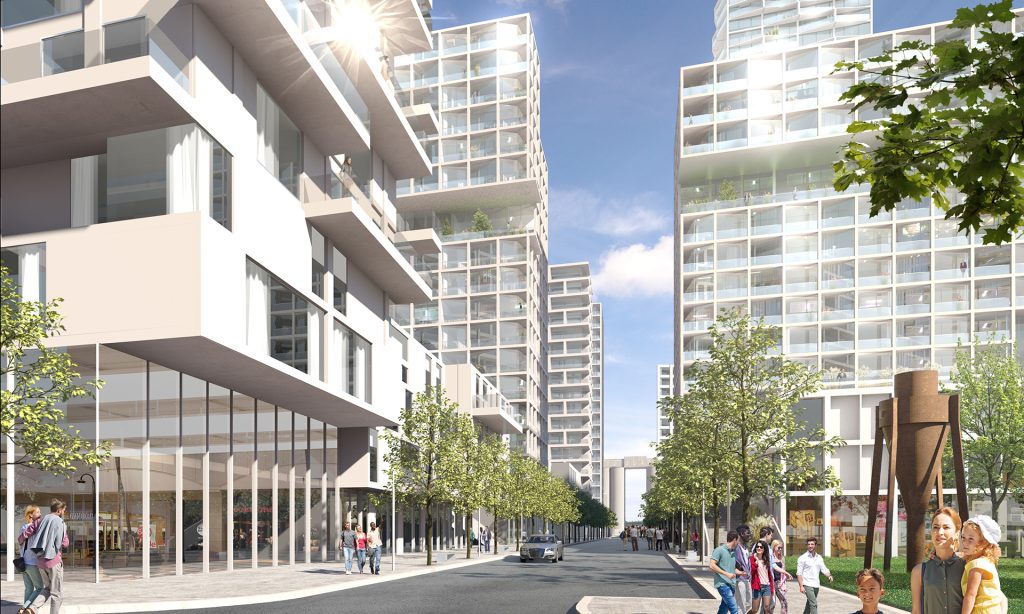

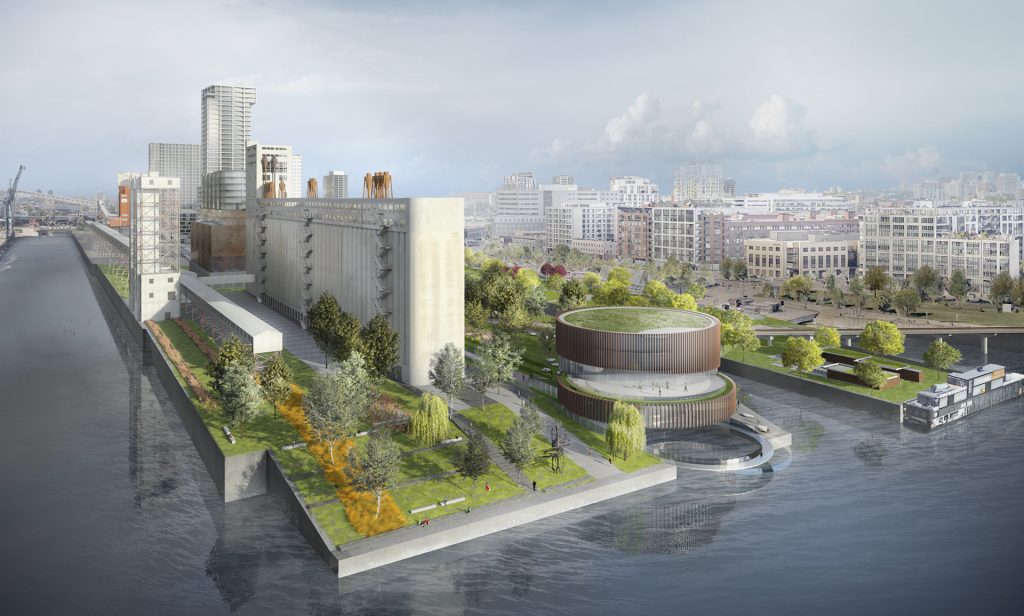
“These models of green, quiet and safe neighbourhoods without private cars already exist in Europe and are a success in terms of quality of life,” he says.
The councillor says such a proposal goes hand in hand with the city’s ‘Vision Zero’ road safety plan and its Climate Plan.
“This is a great opportunity to create a neighbourhood that is fundamentally green from the outset and also Vision Zero,” Sauvé said. “A major city rarely has the opportunity to create a new central district from scratch, so we must seize this opportunity with all the ambition of our generation.”