Plante wants Old Montreal more pedestrian friendly – part of 2040 transit carbon-neutral goals

Posted May 9, 2023 9:26 am.
Last Updated May 9, 2023 8:46 pm.
Making Old Montreal more pedestrian friendly and turning a busy boulevard into a corridor for buses and bicycles – those are part of the city’s road map to ensure transit is carbon neutral by 2040.
Also among the proposals: more mini-hubs for cargo bikes and small electric vehicles with the goal of decarbonizing parcel delivery – an expansion of the current Colibri Project.
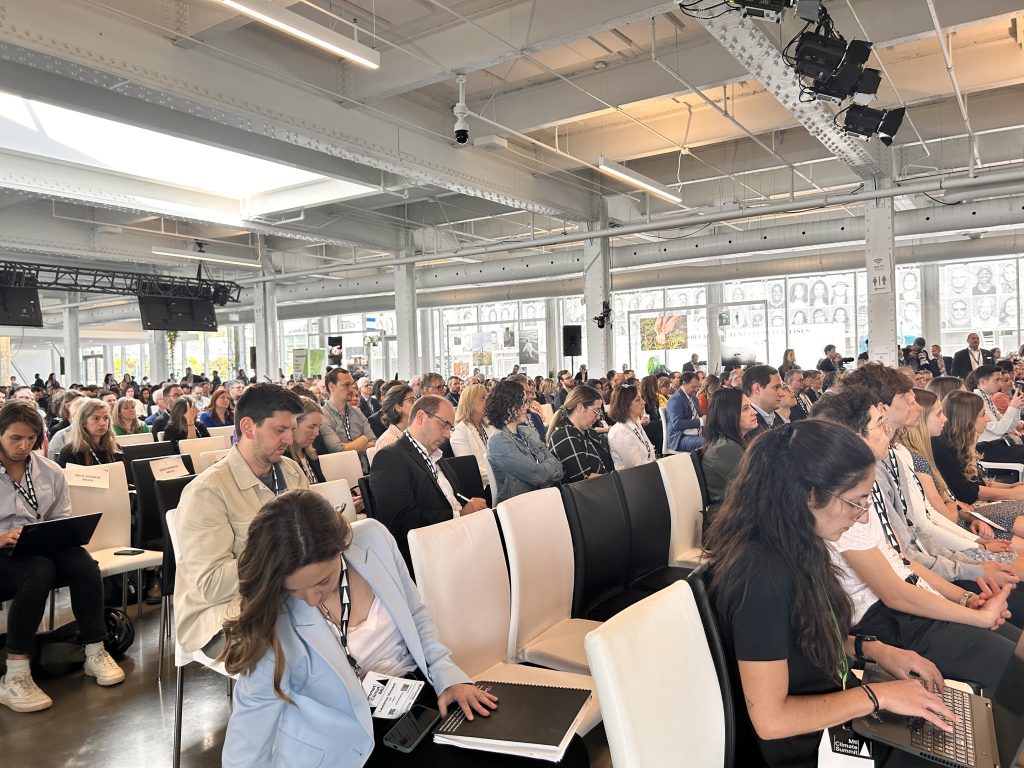
Montreal Mayor Valérie Plante outlined that plan at the second edition of the Montreal Climate Summit, taking place at the Grand Quay of the Port of Montreal Tuesday and Wednesday.
It’s organized by the Montréal Climate Partnership – which involves 20 key partners – in collaboration with the City of Montreal.
More 900 key stakeholders from multiple sectors in Montreal are expected to come together over the next two days with a goal of developing concrete actions to meet Montreal’s climate challenges.
Plante’s vision for Old Montreal is one in which the “pedestrian is king.” She’s proposing to turn a portion of the neighbourhood into a pedestrian zone by 2024.
“The city will work closely with neighbourhood stakeholders to plan and roll out this initiative, in addition to supporting merchants, restaurants, residents and other local players,” the City of Montreal said in a statement.
The official Opposition said while it’s in favour of pedestrian zones, it disagreed with the city’s approach and accused it of providing few details.
Ensemble Montréal Leader Aref Salem says the proposal was made on the fly and does not even specify which area “will be pedestrianized and without consultation with the merchants and residents of Old Montreal.”
The second major item in the proposal is progressively turning Henri-Bourassa into a route more friendly for bicycles and public transportation.
“(It) will be transformed so that active and collective travel is safe and more efficient,” the city said.
The project is expected to get underway this year, with the focus on the portion of the boulevard between Félix-Leclerc Street and Miniac Street in Saint-Laurent. The next portion, slated for 2024, will be in the Ahuntsic-Cartierville neighbourhood.
“In Montreal, we feel that the tide has been turning for a few years in terms of ecological transition,” said Plante in a statement. “Montrealers are ready to do what is necessary and expect strong and courageous actions from us to build a city that is resilient in the face of climate change.”
That proposal too was criticized by Ensemble Montréal, claiming it was a recycled plan and unfulfilled promise from 2021.
Quebec’s environment minister, Benoit Charette, also spoke Tuesday.
He announced he would “double the funding for active transportation” in the next version of the Plan for a Green Economy (PEV).
On Wednesday, federal environment minister Steven Guilbeault will address the summit.
Announcements on commitments to accelerate climate action are expected by the end of the summit.
Montreal greenhouse gas emissions (GHGs) were up three per cent in 2019.
The number of GHGs continue to increase since 2016. They went down slightly in 2020 during the COVID-19 pandemic.
The goal is to bring Montreal’s GHGs down by 55 per cent by 2030, compared to 1990.
“It’s really about taking action now and removing the all the obstacles that prevent us from taking action. The only way to do it is to do it together,” says Karel Mayrand the co-president of The Montreal Climate Partnership, organizers of Montreal’s second Climate Summit.
“We used to talk about climate, like in terms of talking about climate, in terms of we need to act now. People know that they need to act right now. It’s really how do we implement the actions that we know we need to make?” Mayrand added.
With 40% of Green house gas emissions on the island of Montreal coming from transportation alone, and the number of green houses gases produced by the city has been on a continual increase since 2016, Mayrand says having more sustainable modes of transportation is vital.
“Our greenhouse gas emissions are on the rise because there’s more cars on the road all the time, like the number of cars is increasing more rapidly than the number of adult population,” he said.
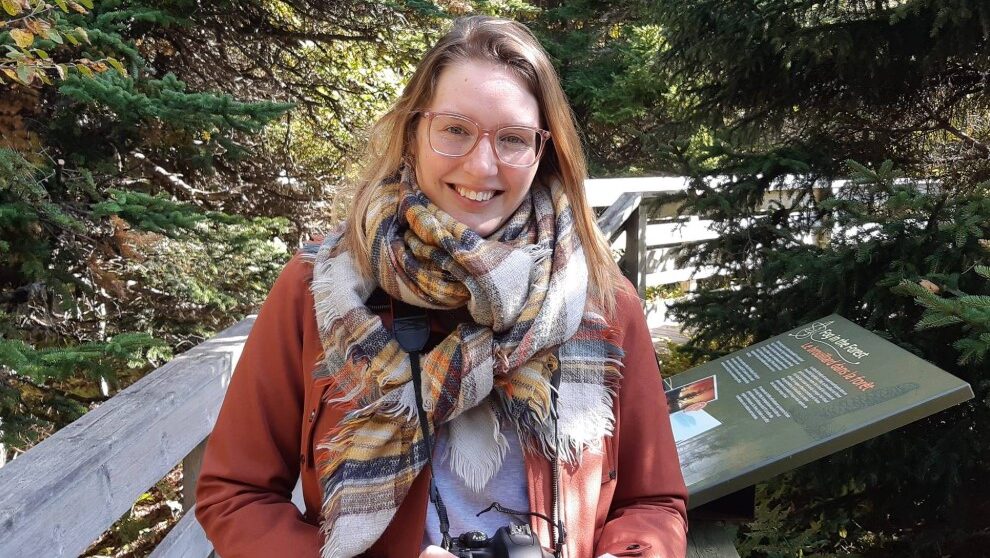
For Laura Butler, an attendee at the Summit, she says the goal to bring Montreal’s Green house gases by 55 per cent by 2030 is ambitious but needed.
“We’ve got to get there. If we don’t get there, the real life implications of not staying below 1.5 degrees are going to come at us really hard and fast. You know, the ice storm and the wildfires will seem like nothing…we don’t have a second planet. There is no plan B.”
You can consult the full programming of the event here.
—With files from Tina Tenneriello