Vacant EMSB building in Ahuntsic to become living space for autistic Montrealers
Posted May 21, 2023 5:49 pm.
Last Updated May 21, 2023 6:56 pm.
Autistic Montrealers will soon have a space made for them to live autonomously.
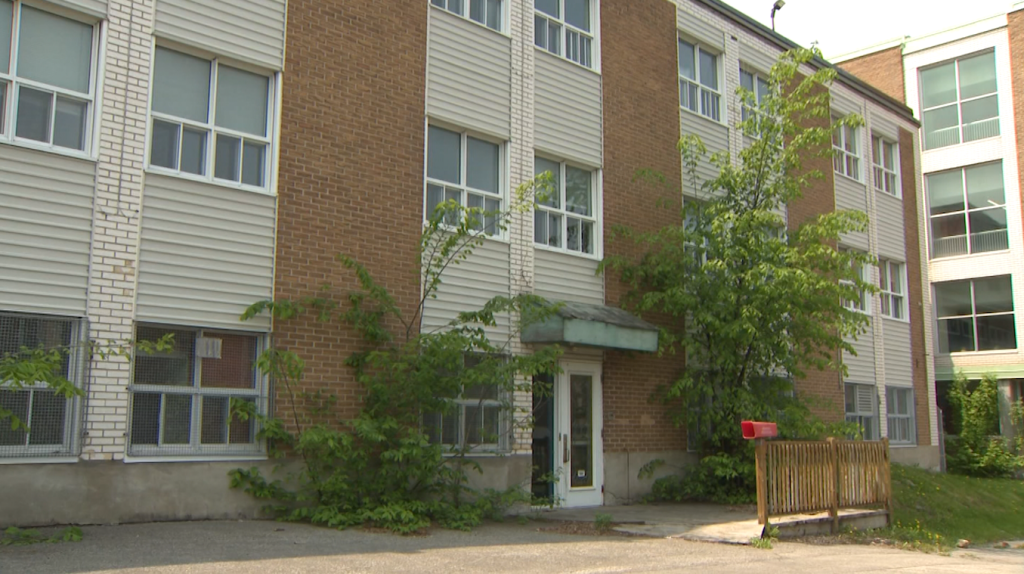
A vacant building in Ahuntsic owned by the English Montreal School Board is going to be converted into a home for autistic young adults.
“I was very thrilled because if I’m going to be honest with you, I wish I had that as a kid many years ago,” said Steven Atme, a board member at Autism House.
“For many of us as a team. to see this happening… we’re trying to create a brighter and healthier beginning for basically the majority of adults with autism to make this. It lifts my heart.”
The project is a dream 30 years in the making.
“It’s the idea of an occupational therapist, Rosemary Maratta, who’s been involved with autism since then,” said Xavier-Henri Hervé, the president of Autism House. She always thought, ‘what happens when they become adults? Is there a transition platform?’”
The conversion project is estimated to cost $4.5 million. The initiative is being made possible with funding from volunteers, foundations and a mortgage.
“The prevalence of autism has been growing for 30 years,” said Hervé. “It’s one of the few conditions that’s been growing as opposed to being steady in the population. And because it’s been the last 30 years, all these people born are becoming adults now. And so we’re seeing from a demographic perspective a big growth in the presence of young adults in our society. So that the need to assist them and to accommodate them is definitely growing. And society needs to take this on.”
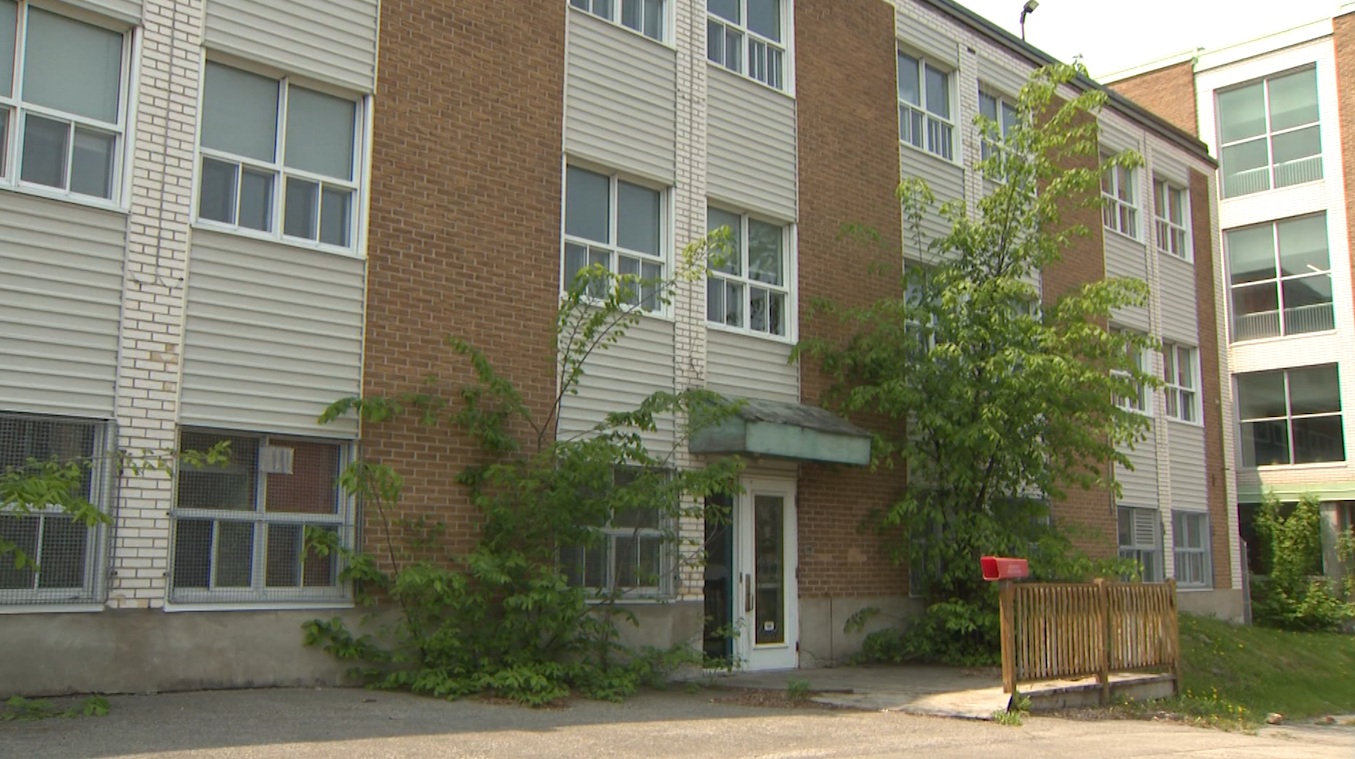
Vacant EMSB building in Ahuntsic that will become a living space for autistic Montrealers. (Martin Daigle/CityNews)
Joe Ortona, the chairman of the EMSB, is pleased the project is moving forward.
“We want people to know that even when they reach adulthood, that they can still count on the EMSB to help them and provide certain resources and some support whenever we can,” he said. “Autism House approached us with this and we were obviously very enthusiastic about it and very happy to give the green light and go ahead.”
The housing space will be a transition period to help autistic young adults develop their autonomy.
“I can literally see this building with lots of lights, better living spaces, and especially for services downstairs in case, if anything, we’re always going to be there to listen,” said Atme. “We’re always going be there to understand and help in any way we can. So very excited to see that.
“We want to feel the sense of inclusion and diversity that way. So people learn from all of that to reflect, to create solutions that become resolutions. So it’s amazing transition from over 30 years ago until now to see it evolve. And it’s great. But I always still say there’s still a lot of work to be done and so much to do.”
Hervé says Autism House’s vision for the building is to integrate communal spaces with activities specifically designed for the occupants.
“These units are going to be designed with full accommodation for 44 people with autism,” he said. “People with autism have sensory issues specifically, for example, with sound or light. So we are going to be making sure that all the windows are up for quality when it comes to soundproofing, including the between the walls. The lighting is not going to be neon. The lighting is going to be analogue, so to speak.
“It’s going to be friendly to a population that’s sensitive to sound and light.”