Shein comes to Brossard but not without controversy
Posted August 2, 2023 11:03 pm.
Last Updated August 3, 2023 1:12 am.
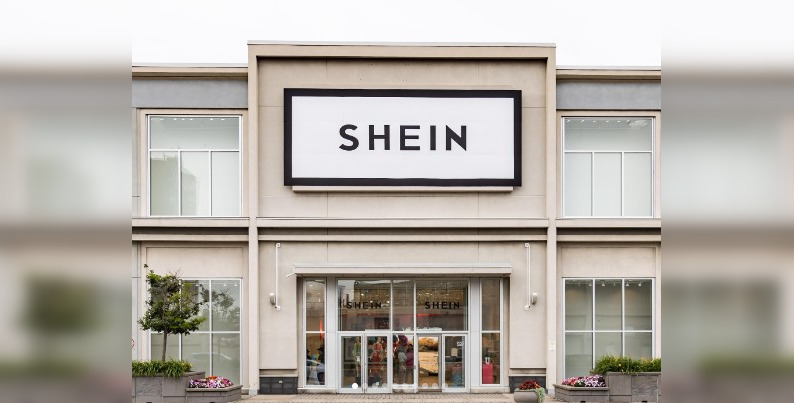
Shein — the ultra fast fashion online retailer known for its cheap and plentiful designs lands in Brossard, Quebec with a pop-up store following several other cities worldwide.
Hundreds lined up for its opening — but some experts are encouraging consumers to think twice before supporting the company.
“We’re in a society where we’re kinda pushed to always be wearing something new something different you always want to kind of showcase something new and different and that is easier when your able to buy a lot,” said Lolitta Dandoy, a fashion journalist and fashion history teacher and Lasalle College.
The brand has been accused of making employees work 75 hours a weeks, having traces of led in their children’s clothes and being extremely damaging to the environment.
The company leaves about 6.3 million tons of carbon dioxide a year in its trail. But yet – consumers still go.
“I think what we’re finding of people still buying from them is I think a lack of real education,” said Shanta Sundarason, the founder of the Giving Tree Unionville.
“Canada has passed legislation we have legislation that Canada, the U.S. and Mexico will not allow any goods into our countries by child and slave labour and we have proof that Shein clothing is made in that manner. So why is our government still allowing the importation of such goods?”
According to the Wallstreet Journal – Shein generated $23 billion in revenue in 2022.
“Shein is known to be the one that has taken the fast fashion idea extreme because they’re introducing lots of new ideas and designs on the webpage on a daily basis and of course something has got to give this is going to have consequences,” said Javad Nasry, a professor at McGill University.
Sundarason adds, “You’re stealing designs of our young designers you are sending clothing into the country that is toxic and yet again we have proof, the University of Toronto did have proof that baby clothes were carcinogenic.”
Meanwhile in Ontario, protesters are demanding the transparency of Shein and are asking he federal government to look into the environmental impacts of the company.
“I think the impact of a company like Shein is significant and unfortunately primarily in a negative sense, in terms of environmental impact and as well as a revealer that we are deeply in need of a shift in mindset as a society,” said Marcello Biocchi Owner Tricky Inc. and Tricky 2/T2 and the Co-Owner of the Gallery Montreal.
“Our planet is worth it. If the environmental concerns aren’t enough, Shein has a long list of additional questionable activities. Again their massive success is a great revealer of the lack of conscience that is still all too prevalent in the world today.
“Generation Z claims to be about sustainability and social justice yet Shein was built primarily on Gen Z consumers. There needs to be a proverbial effort of “putting your money where your mouth is” before we start to see real progress in holding companies like Shein accountable,” Biocchi continued.
Experts say Gen Z is the generation that is both extremely aware of the societal and environmental impacts their choices have – but are also the most influenced by social media.
“What worries me is that there’s a shift happening and at the same time we’re seeing those crazy numbers that Shein is doing so well, and even if you don’t see the numbers you see the line ups, that were happening here this weekend in Brossard,” said Dandoy.
“I don’t want to put the fault on the people like hey you are shopping there because sometimes we have reasons related to budget we’re going through an inflation right now but I do think that the way brands have promoted fashion and the way we have seen fashion in the last 20 years where its always about a new collection coming in,” explained Dandoy.
Sundarason adds, “In that moment we all act sometimes in the heat of the moment because we see a deal and we don’t really think about and remember that we know the effects that these products have on the planet, we know we forget that we know how they’re made we know where the cotton comes from and its all the power of social media.”