‘Complex and complicated’: Advocates still waiting for Montreal homeless population data
Posted August 8, 2023 4:32 pm.
Last Updated August 8, 2023 6:52 pm.
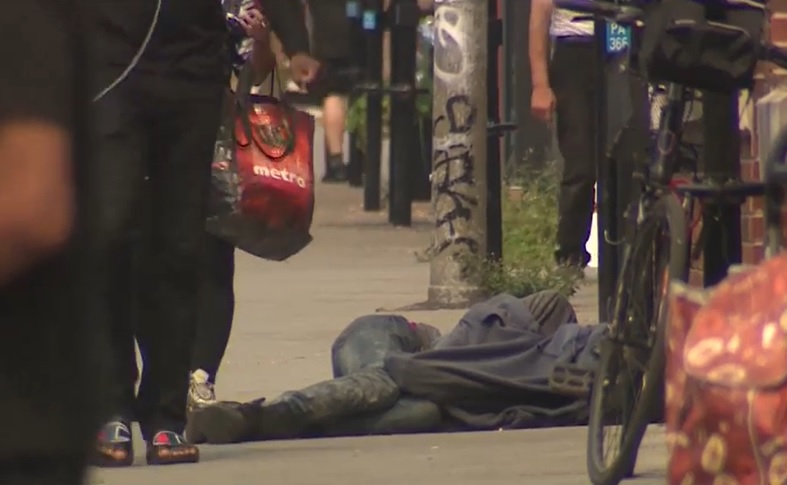
Nearly a year after Quebec conducted a large-scale count of the homeless population, organizations that help the unhoused community say the vital data has still not been released.
“The longer the lag, the more uncertain we are about what we’re dealing with,” said James Hughes, the president and CEO of the Old Brewery Mission.
“To actually get our arms around the size of the problem, where it’s coming from and what to do about it, that takes the research that the street count will provide.”
The street count operation – dubbed “Everyone Counts” – saw hundreds of trained volunteers take to the streets of Montreal and 13 neighbouring regions of Quebec.
It was Montreal’s third homeless population count – the previous one was in 2018.
BACKGROUND: Volunteers help count Montreal’s homeless population; experts predict increase since 2018
“We absolutely know that the numbers have gone up,” said Hughes. “To what extent? We’re not sure. We’re not sure either the average ages that are in play, we don’t know where people are coming from if that’s changed to any great degree. And therefore, we don’t necessarily know what new interventions will be necessary.”
Hughes says data is vital in understanding the needs of the growing number of those unhoused.
“It’s all about doing more for a population that is getting larger and that is increasingly complex and complicated,” he said.
The last count in 2018 by the province’s health network found there were more than 5,000 people who were homeless, including 3,000 in Montreal.
WATCH: Experts predict increase in Montreal’s 3rd homeless population count
Julie Grenier, part of “Mouvement pour mettre fin à l’itinérance à Montréal,” believes that number has only increased since then.
“We see a lot of vulnerability and we see a lot of new faces also,” she said. “And I think that’s the most important. Profiles have changed, and we have to adapt to those changes.”
“Policy follows research,” added Hughes. “So we’re very much hoping the data does encourage the government to get organized to do more than they’re doing right now on all fronts, from prevention to the supporting of the necessary services.”
City of Montreal also waiting for data
In a statement to CityNews, a spokesperson for Quebec’s Ministry of Health and Social Services says the data will be released this fall, adding they are in the final steps.
The City of Montreal says the full report requires a large amount of data compilation and analysis.
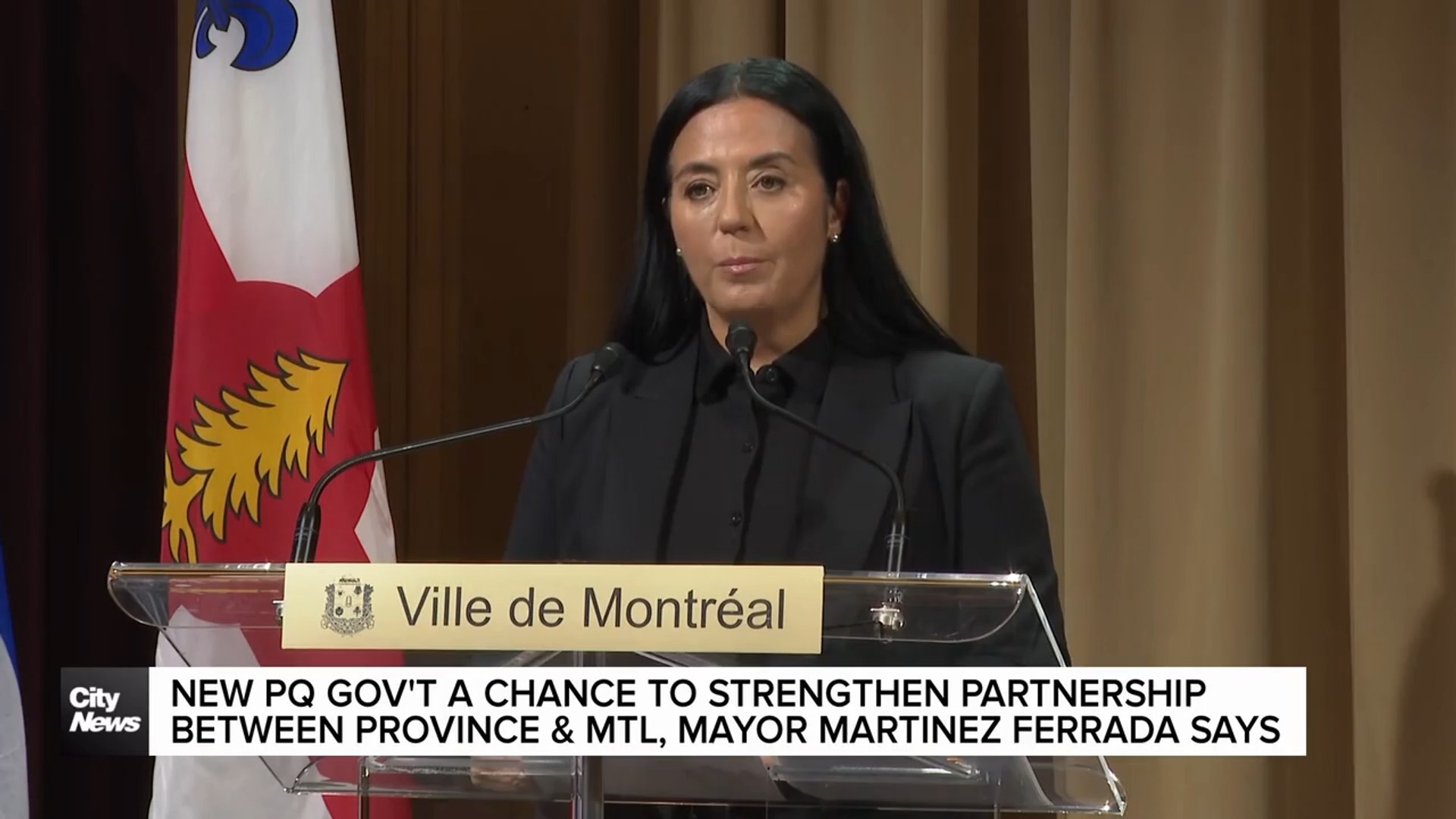
“For us as an administration, we want to have data to act the more efficiently,” said Montreal Mayor Valérie Plante.
The mayor says while she waits, the city has implemented measures to help aid the growing problem.
“We’ve put together like double our budget,” she said. “We’ve been putting together a squad of social workers for the City of Montreal, like all these initiatives to support what’s happening, because though we’re waiting for numbers, we know what is happening in our streets.”
Hughes says he hopes the data released will convince officials more funding and resources are needed for organizations in Montreal.
“This is research all by itself,” he said. “It means nothing if it doesn’t translate into action.”