Floss twice a day — your brain and heart will thank you
Posted April 16, 2025 4:51 pm.
Last Updated April 16, 2025 5:52 pm.
You might want to grab your floss — your heart and brain could depend on it.
April is National Oral Health Month, and Bryce Wylde — one of Canada’s leading alternative health experts — says clinical evidence links gum health to both heart and brain health.
“Believe it or not, if I told you that by flossing for just 60 to 90 seconds every day, your odds of developing cardiovascular disease, stroke, brain disease, and even diabetes would improve, you’d be surprised,” he said.
He explains how flossing may play a surprising role in protecting memory, noting the connections with Alzheimer’s disease.
“We often talk about memory loss as old age — we shouldn’t have it. But a big correlation between oral health and flossing and preventing oral disease is keeping a healthy hippocampus and a good long-term memory.”
“It does actually stand to correlate that if you take care of your gums, you’re actually perhaps preventing and or at least contributing to the prevention of Alzheimer’s.”
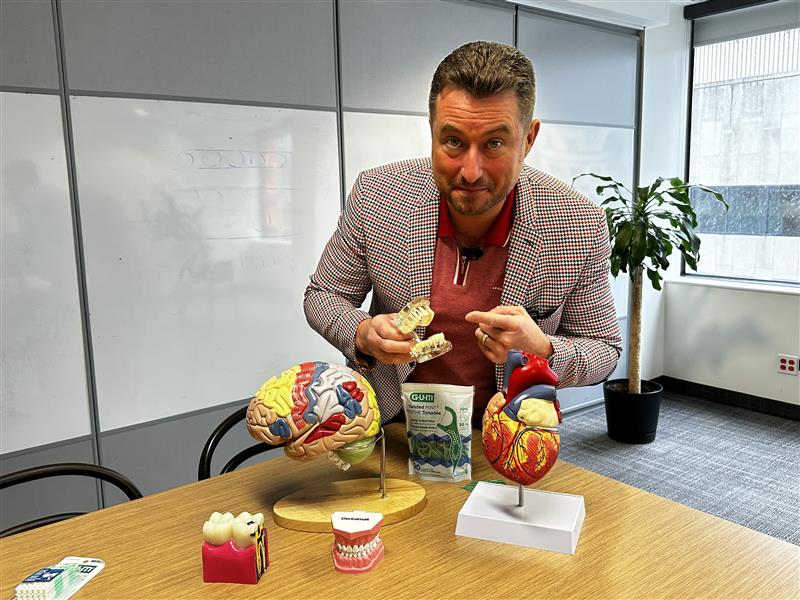
Wylde notes from their omnibus study that only 37 per cent of Quebecers say they floss daily, and only 41 per cent realize there is a connection between oral health and heart health.
Wylde says research is ongoing across the globe in understanding more of these correlations.
“72 per cent of Canadians, through the survey that we did of over 1,500 across the country, are either too busy, too lazy, or don’t think there is a correlation to heart and brain disease.”
He explained the importance of the blood vessels and capillaries found in the teeth and gums. He says that the teeth are connected to a network of tiny blood vessels (capillary beds), which carry blood throughout the mouth. This is important because poor oral health, like gum disease, can allow harmful bacteria to enter the bloodstream through these blood vessels, potentially affecting other parts of the body, such as the heart and brain.
“Getting between the teeth and dislodging that bacteria to prevent inflammation may literally be changing the day you die. You may put extra years on your life, not just years, but health span years, good, vibrant health,” he said.
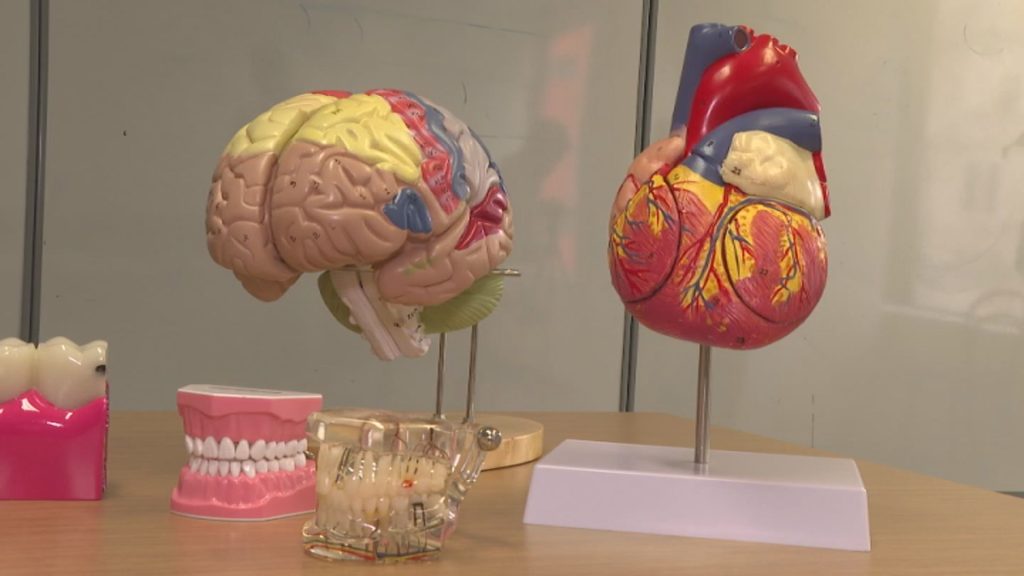
“A lot of peer-reviewed journals show that the connection from the mouth to the brain is related to a few different bacteria. One we’ve heard of before is P. gingivalis [which] actually releases certain enzymes, believe it or not, in the mouth — not the good ones, but the bad ones, that cause inflammation,” he said.
“Bacteria that sit there can translocate, which is just a fancy term for moving from the oral cavity into general circulation. They make their way through the cardiovascular system, float around in your blood, and then deposit into the heart,” he added.
In his latest paper, Wylde offers a clear checklist for maintaining optimal oral health, which covers essential habits like flossing twice daily, brushing with a soft-bristled toothbrush, and using pH-balanced, microbiome-friendly toothpaste.
The checklist also includes scraping the tongue, rinsing with alcohol-free mouthwash, and hydrating consistently throughout the day.
Other recommendations include chewing xylitol gum after meals, replacing or sanitizing the toothbrush weekly, using a water flosser or interdental brush for deep cleaning, and massaging the gums to stimulate blood flow.
Wylde also emphasized the importance of regular dental checkups, monitoring symptoms such as bleeding or bad breath, and supplementing with oral probiotics and key nutrients like vitamin D3, K2, CoQ10, and omega-3s to support overall oral health.

Wylde hopes Montrealers will become more health-conscious in managing both their dental hygiene and overall well-being.
“If I gave you a little flosser pick and I said, by doing 60 to 90 seconds a day, this may change the day you die… would you do it? That’s the question,” he said.
“I hope that most Canadians, after hearing this, would say absolutely.”