Beaconsfield forum sheds light on hidden housing struggles in West Island
Posted April 24, 2025 10:00 pm.
Last Updated April 24, 2025 10:38 pm.
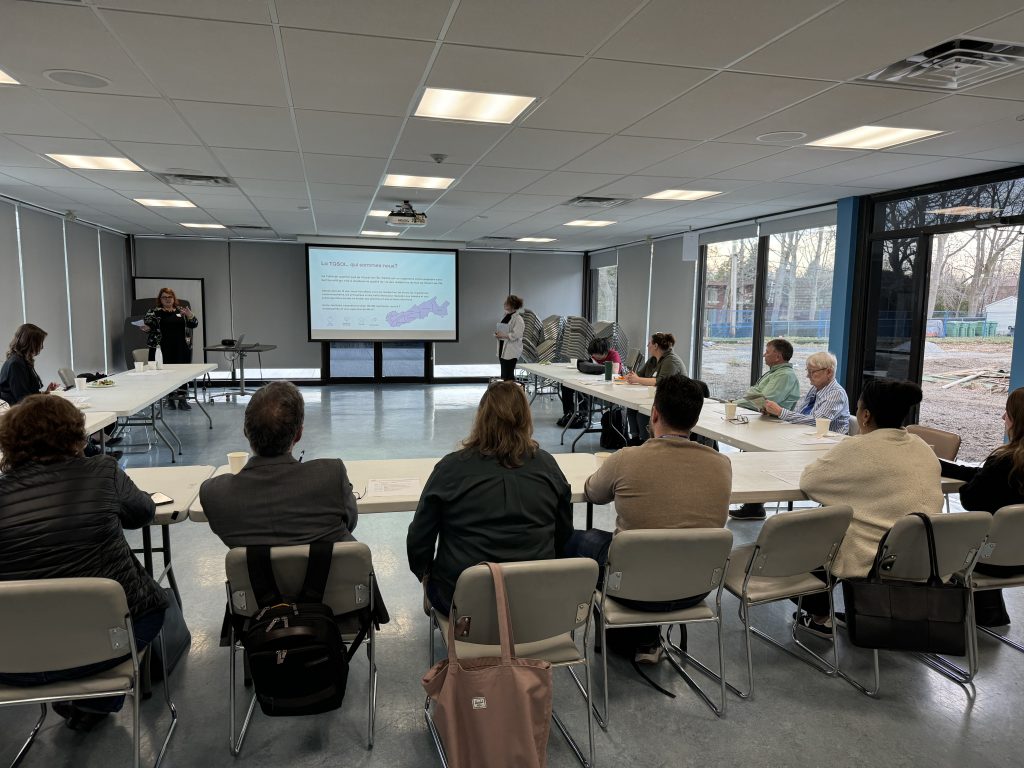
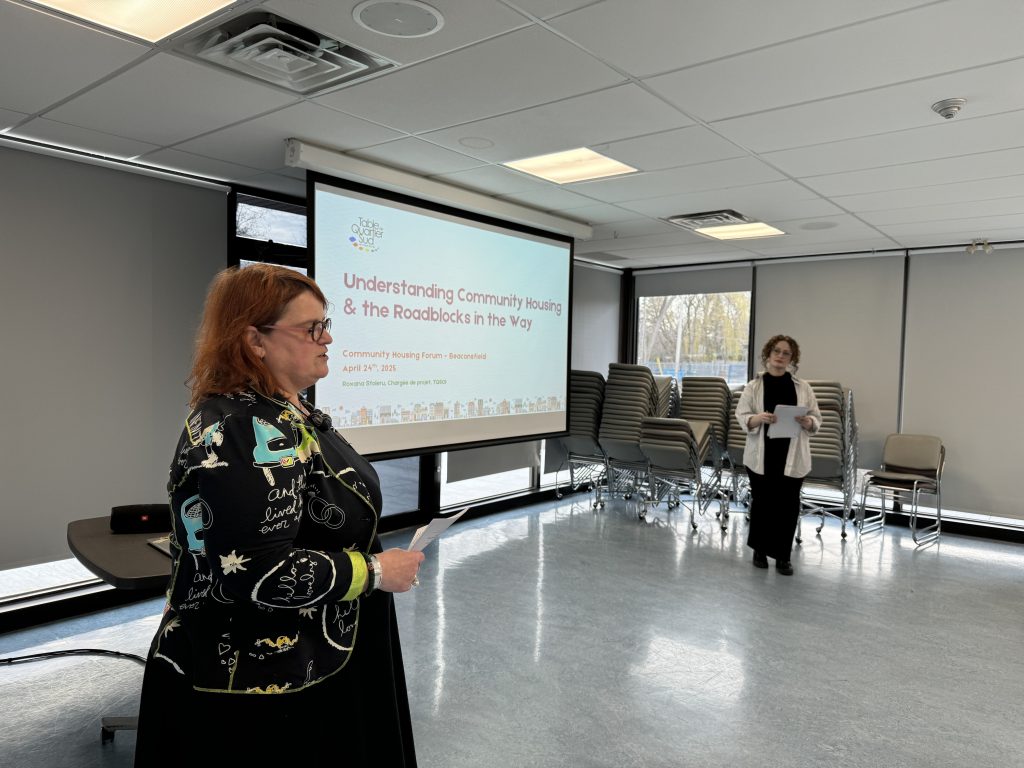
Encouraged by the Table de Quartier Sud de l’Ouest de l’Île (TQSOI), citizens, elected officials, businesses, and community organizations gathered at the Beaconsfield Community Housing Forum to discuss one of the region’s most pressing yet overlooked issues: the lack of community housing in an area widely known for its affluence.
Despite the West Island’s reputation for a high standard of living, the TQSOI says there are “hidden pockets of poverty”—residents struggling to access affordable housing in a market that often leaves them behind.
“Access to affordable housing is a big problem for a lot of people,” said Alena Ziuleva, Executive Director at TQSOI. “We might think that everyone is wealthy and has no problems, but that’s not the case. Many people are living in difficult situations. Our mission is to improve the quality of life for those in vulnerable circumstances and to promote social development.”

For many, housing insecurity hits close to home.
“I have a son who complains about the cost of rent, the poor quality of buildings, and the lack of proper maintenance,” said Paulette Zielinski, President and volunteer at AWISH (Arthritis West Island Self Help). “As a volunteer, my role is to learn everything I can about the community—from food security to lodging—so I can support my vulnerable and low-income clients with accurate information.”
Community workers say the lack of affordable and community housing is pushing families out of the area.
“It’s particularly tough for families or larger households looking for housing through programs like the OMHM,” said Jillian Lalonde, a resource and support specialist at the West Island Community Centre. “Right now, in the West Island, community housing options are mostly for seniors. Families are moving farther east, north, or even off-island. We try our best to help them stay here, but the reality is that it’s just not happening as often as we’d like.”
The TQSOI’s 2024 annual report also highlights another major obstacle: NIMBYism (Not In My Backyard). Community resistance has stalled several proposed affordable housing projects in recent years.
“It carries a stigma around what social housing looks like,” Lalonde added. “But if you look at my clients, they’re families with children who just want to stay in the neighborhoods they’ve grown up in or where their kids go to school. These aren’t drastic asks. Unfortunately, the stigmas around who lives in social housing are still very strong.”
That’s why forums like this one are vital, according to TQSOI. By bringing together residents, decision-makers, and specialists in urban planning, they aim to foster collaboration and overcome resistance.
“The solutions we’re proposing are diverse,” said Ziuleva. “We want to work with various stakeholders—those with the power to make real change. Events like this allow us to start meaningful dialogue and find innovative solutions together.”