Quebecers continue to call for more organ and tissue donors
Posted April 24, 2025 4:11 pm.
Last Updated April 24, 2025 5:23 pm.
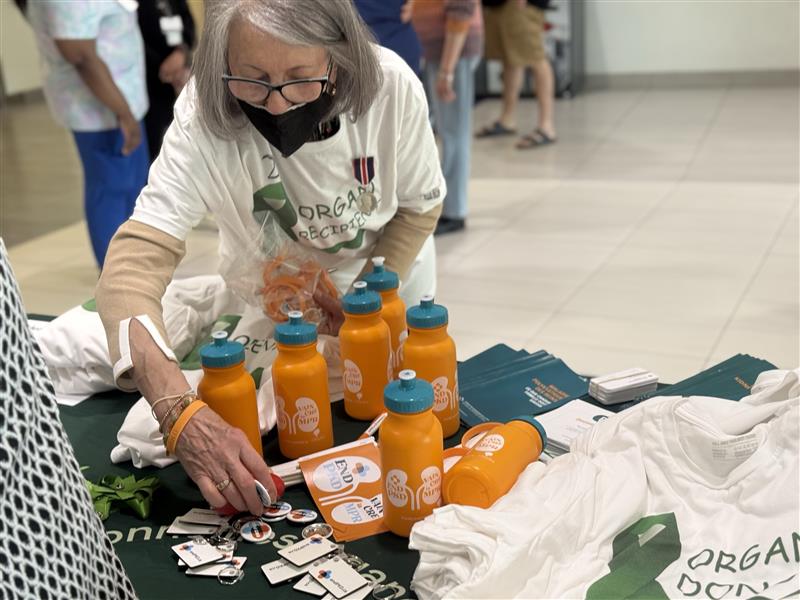
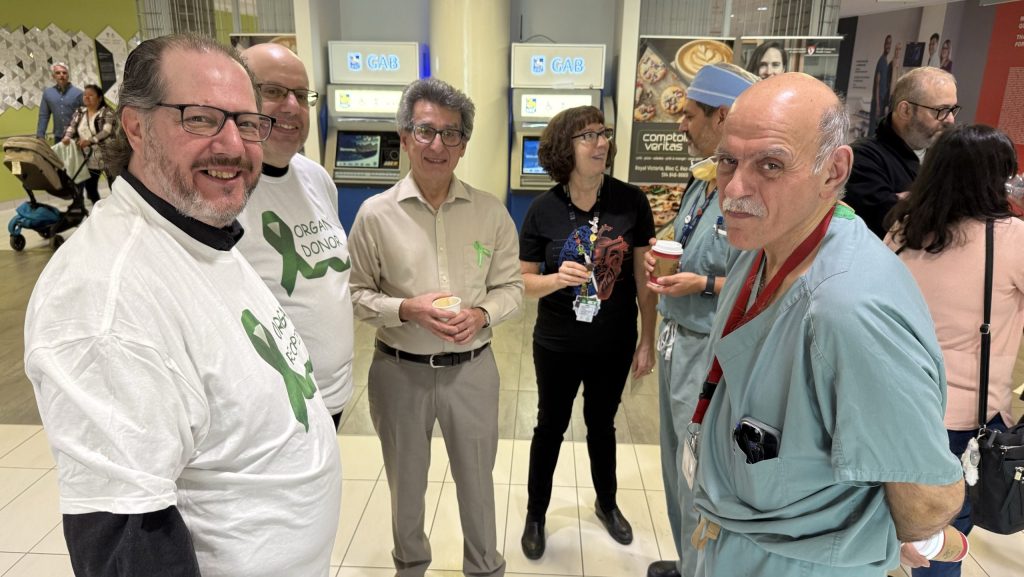
April 20 to 26 is National Organ and Tissue Donation Awareness Week. Seven days to shine a light on the urgent need for more organ and tissue donors.
“It’s our biggest week of the year,” said Wendy Sherry, a nurse clinician for organ and tissue donation at MUHC.
“It’s where we get to talk to everybody and talk about the importance of making a decision about whether you want to donate your organs or tissues after death. It’s about having that family conversation. It’s about demystifying also what happens when you sign your card. People are afraid to show up in the emergency with a signed card because they think that they won’t get the best care for life.”
One donor can save eight lives and enhance the lives of 75 more. Montrealer Luisa Miniaci is one of them. On August 30, 2024, a liver and kidney transplant gave her a chance at a new life.
“I can’t thank enough, my hero, for giving me a second chance at life, a second chance to be with my family and my kids,” said Luisa Miniaci, an organ recipient.
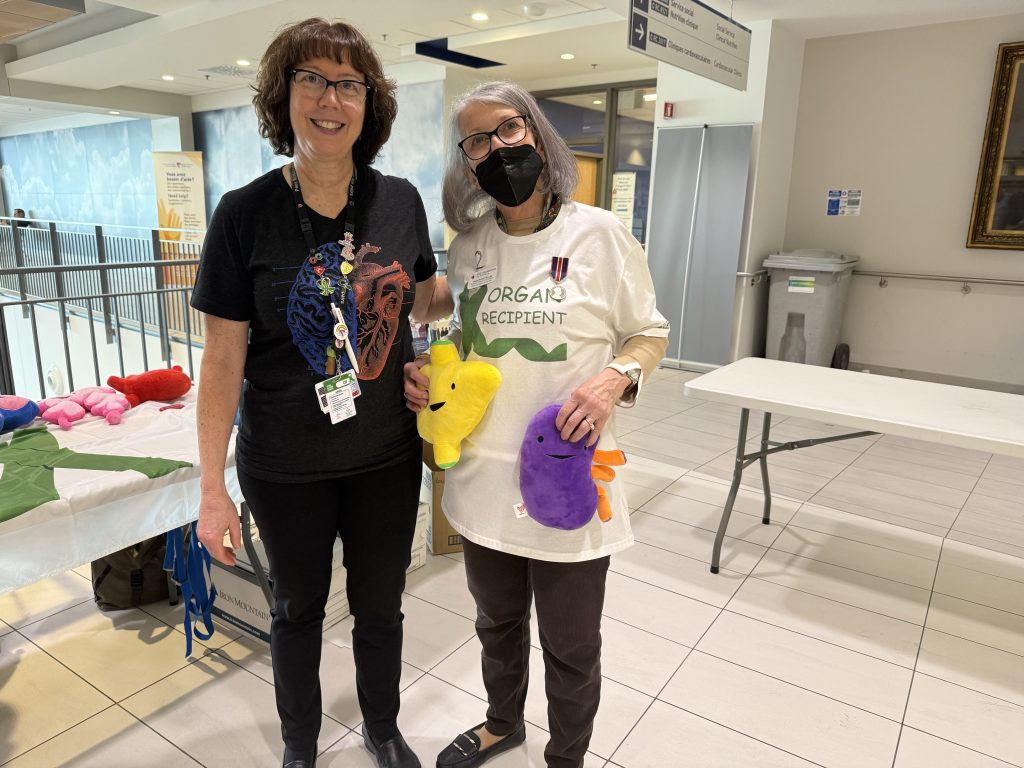
Marc Ferrazzano, another organ recipient, said, “I’m here because Luisa needs me to carry boxes. Also, I’m here because I need to make sure that people understand the value of donating. And if anybody has questions about receiving, I’m here to help as well.”
Certain organs, like a kidney or part of a liver, can be donated while still alive. It’s known as living organ donation and saved Ferrazzano’s life thanks to the generosity of a stranger.
“I was dying and I was saved by someone that donated their kidney to me. And ever since then, I’ve had a great life. It’s been three years now. It’s fantastic,” said Ferrazzano.
Others like Giovanni Stea are saved thanks to the unconditional love of his brother Paolo.
“When I started getting on dialysis, you know, family kind of stepped in, my brother stepped in, my other brother also stepped in to offer a kidney. And within a year of dialysis, I already have my transplant,” explained Giovanni.
Paolo adding, “They test everything on you. They find out everything on you, if you’re healthy enough to donate. And they also give you the option to opt out anytime during the process. And so we did it. And after the operation, I was back at work after three-four days.”
For Irene Alves, it was through Kidney Paired Donation, a program that matches transplant candidates with suitable living donors, that her cousin Suzette Goncalves could save her life.
“It takes a little bit of courage, but a lot of life,” said Goncalves. “In January of 2024, we had both of our surgeries. I donated to somebody in British Columbia. And she received her kidney from somebody in Ontario.”
Alves added, “We don’t want anything to happen to you, but I you know if anything unfortunate like this does, at least you give somebody else a chance.”