Quebec bill banning safe consumption sites within 150m of schools after Maison Benoît Labre controversy; St-Henri residents not satisfied
Posted May 6, 2025 6:36 pm.
Last Updated May 7, 2025 5:30 pm.
Quebec’s minister responsible for social services, Lionel Carmant, tabled a bill to better regulate the opening of supervised drug consumption sites in Quebec.
The bill, presented to the National Assembly on Tuesday, aims to prevent the establishment of this type of site within 150 meters of a school or early childhood centre (CPE) or daycare.
It would also be forbidden to issue a permit for a CPE, daycare centre or school “when a premises where supervised consumption services are offered is located in its vicinity.”
“I think this will decrease tension and improve cohabitation,” Carmant said at a press conference Tuesday.
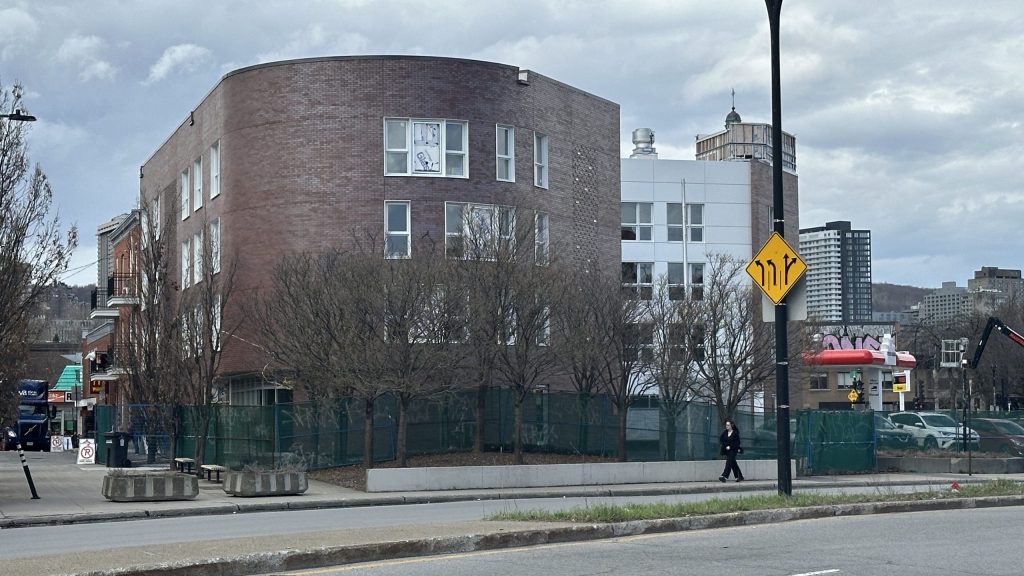
These sites enable the safe consumption of drugs in the presence of qualified personnel. In Montreal, the opening of such a service near a school in St-Henri in 2024 made headlines because of issues of cohabitation between users and the neighbourhood.
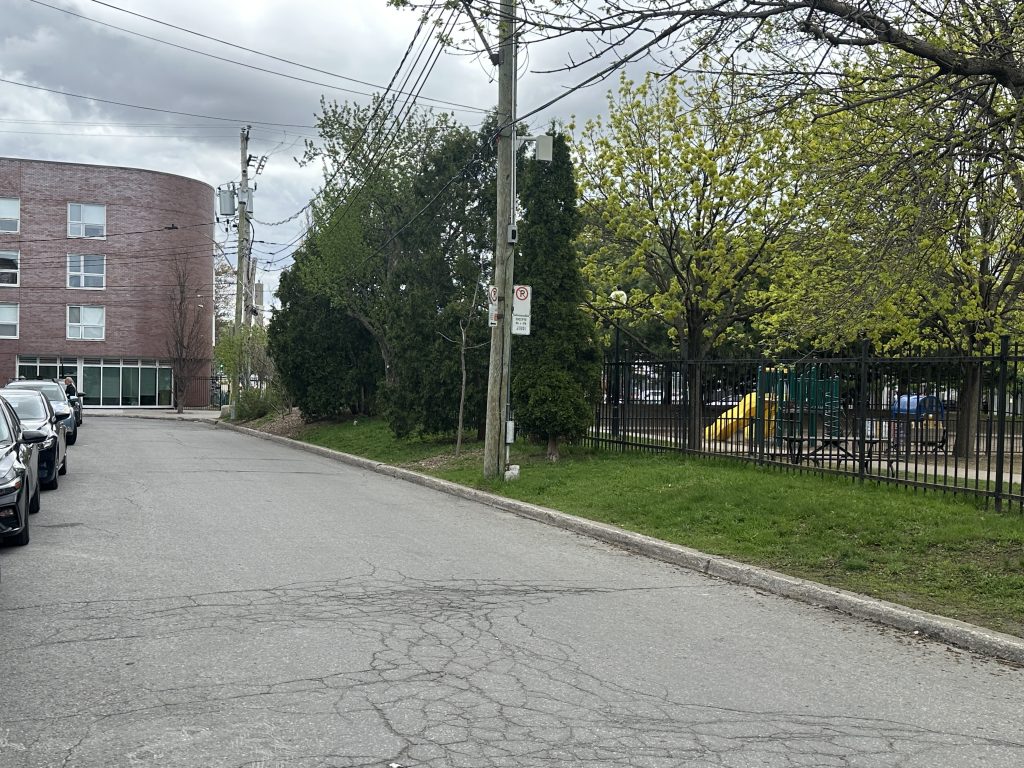
Maison Benoît Labre is within the 150-metre radius of a school, which has been a concern for many parents and residents in the area, like Michael MacKenzie, also a professor of social work and pediatrics at McGill University.
“This is not anecdotal: the data has shown a major uptick in not just property crime but in crimes against persons,” he said. “Within our own family and on our block, we’ve seen our children exposed to sex crimes. This goes beyond bike thefts. This is kids being exposed to things that has traumatic effects on them.”
Bill 103 will require these sites to be reauthorized by Santé Quebec every four years. If passed, it will have Maison Benoît Labre lose authorization and eventually move. Carmant said the four-year period will provide enough time to do so.
“The main thing to remember about this bill is that its objective is to strengthen citizens’ sense of security and confidence when entrusting their children to institutions such as schools and daycare centers,” said Carmant at a press conference.

MacKenzie says the changes won’t address the current issues they’re facing in their neighbourhood, as many children of the nearby elementary school will have graduated by the time a move happens.
“Four years is a very long time in the life of a child,” he said. “So this is a promising step that they’re going to be more thoughtful about the rollout of these services in other places in the province, it doesn’t address the needs of the children in our community.”
Residents, like Julie, who did not want to provide her full name, say they want Carmant to visit them on the ground to better understand the issues.

“It’s the day site that attracts a lot of residents and those are the ones that children are being subjected to,” she said. “Consumption is happening outside the day site on the daily.”
Last August, before the start of the school year, the City of Montreal said it wanted to relocate day services at the site, but since then, nothing has changed.
In a statement to CityNews, the City says: “Like the government, we believe that integrating these life-saving resources is essential. We will therefore review the bill, analyze it, and participate in the consultations that will be planned for its study. One thing is certain: the law must take into account the specific nature of Montreal’s density.
That said, we will not be able to reduce the number of people struggling with drug addiction and the resulting issues without greater involvement of the health network on our streets.”
In a press conference of her own Wednesday about security at Montreal’s St-Laurent metro station, Ensemble Montréal Leader Soraya Martinez Ferrada said the bill is a step in the right direction.
“We have to make sure that there’s a social cohesion, a community acceptance in every project that we do, to homelessness and the crisis of obvious and toxic drugs,” she said. “It’s a real issue and we have to address that. But we have to make sure that people feel safe and they are safe, and those communities, that’s a step in the right direction. That doesn’t address the urgency, for instance, in the community for Maison Benoît Labre, which today, that doesn’t give them the insurance for them today.”
Carmant said the province added support to the site.
“We’ve been working with Société Dévelopement Sociale de Montréal to make sure that the school and the surrounding of the site are better supervised,” he said. “We’ve added also staff within Maison Benoît Labre to take care of the courtyard next to the housing.”
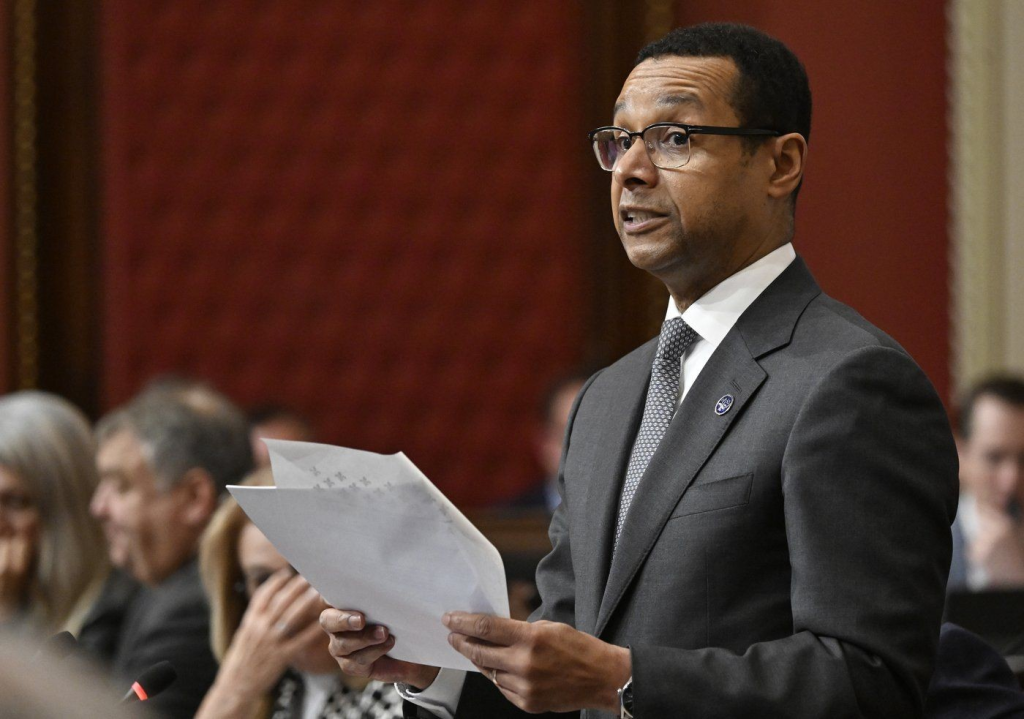
In a separate statement on Wednesday, Carmant said: “This fall, I met with the Good Neighborhood Committee to discuss with neighborhood residents. Several measures have been implemented. Teams from the Montreal DRSP and the CIUSSS worked collaboratively with local partners and the organization to improve cohabitation. We added workers both in front of the MBL and around the school.
In addition, I spoke with Victor-Rousselot School and the school service center, and visited the MBL several times to ensure everything was in place. We must find a balance between safe living environments for everyone and support tailored to the needs of people in vulnerable situations. This is exactly what the bill will allow us to do.”
When it comes to the new bill, Maison Benoît Labre executive director Andréane Desilets told CityNews that for now, they’ll be reviewing it and assessing what needs to be done – and will eventually come together once they have a clearer understanding of the potential impacts.
Meanwhile, Carmant said Quebec will likely need more of these sites because of the drug crisis.
“We have to place it strategically so that people can have access to these sites, but not be right next to a schoolyard,” he said.
For MacKenzie and other residents, the problems are far from over.
“We have immediate concerns,” he said. “This isn’t a four year proposition for the kids in our community — the minister needs to act now.”
–With files from The Canadian Press