‘I’m optimistic it can happen:’ Sanaaq centre aims at promoting cohabitation, despite lingering concerns
Posted May 12, 2025 8:32 pm.
Last Updated May 13, 2025 5:53 pm.
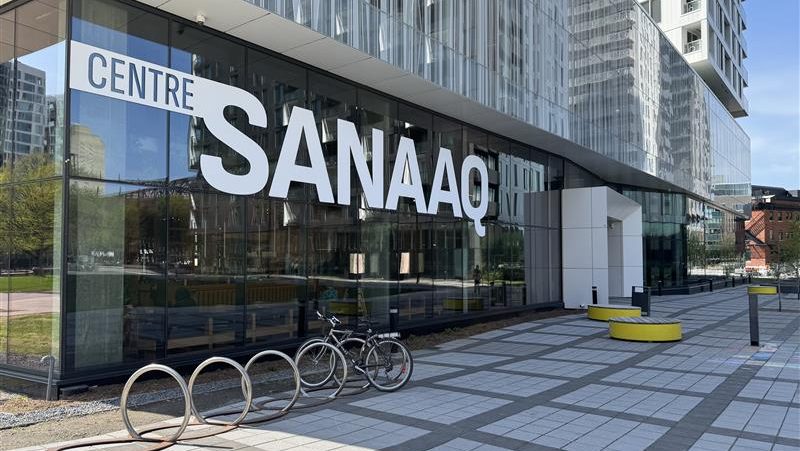
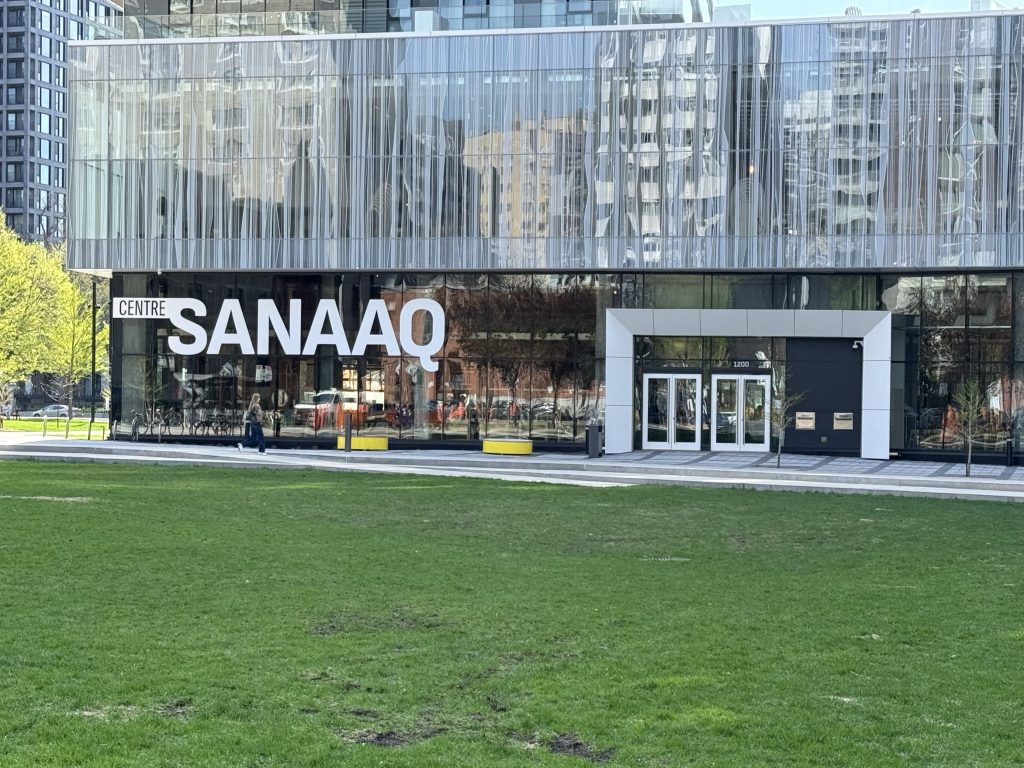
Sanaaq, a new cultural and community space, has opened in downtown Montreal, across from Cabot Square, reflecting the area’s cultural diversity and highlighting Indigenous communities. The centre provides an insight on if cohabitation with those experiencing homelessness is viable.
What raises a lot of questions for the reportedly $52 million centre is the location; it’s surrounded by high-end condos and just steps away from Resilience Montreal, a downtown day centre that works primarily with people from Indigenous communities that are unhoused.
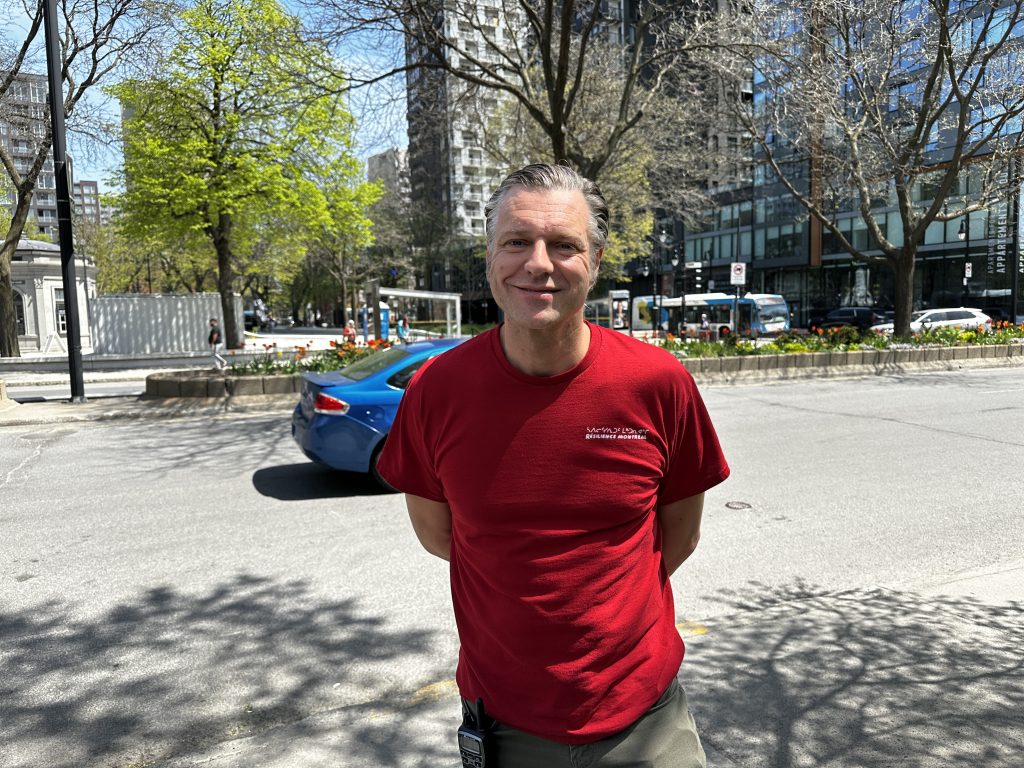
“It can happen but it cannot at all be taken for granted,” says Resilience Montreal executive director David Chapman on cohabitation.
“What happens, for example, when complaints start coming in from some of the wealthier folks who live in the condos?” he asked.
The centre held their official inauguration on Saturday in the heart of the Peter-McGill district in the Ville-Marie borough.
City of Montreal councillor and Delegate for Reconciliation with Indigenous people Alia Hassan-Cournol says the name “Sanaaq” comes from the Inuit novel written by Inuk author Mitiarjuk Attasie Nappaaluk in the 1950s.
“I really hope it’s going to be a meeting point where anybody, whatever the social condition, whatever the racial background, whatever the nation you’re coming from, feel welcome at our home,” Hassan-Cournol said.
The centre offers cultural and recreational activities, learning and creative spaces, as well as meeting areas. It also promotes the knowledge and heritage of First Nations and Inuit communities, with a museum run by the Avataq Cultural Institute. More than 84,000 items, including printed or digital books (in French, English, Farsi, Chinese, and Indigenous languages), games, toys, instruments, DVDs, video games, vinyl records, sheet music, and digital devices, will be available for borrowing.
Chapman and Nakuset of Resilience say challenges could lie ahead for the newly developed area.
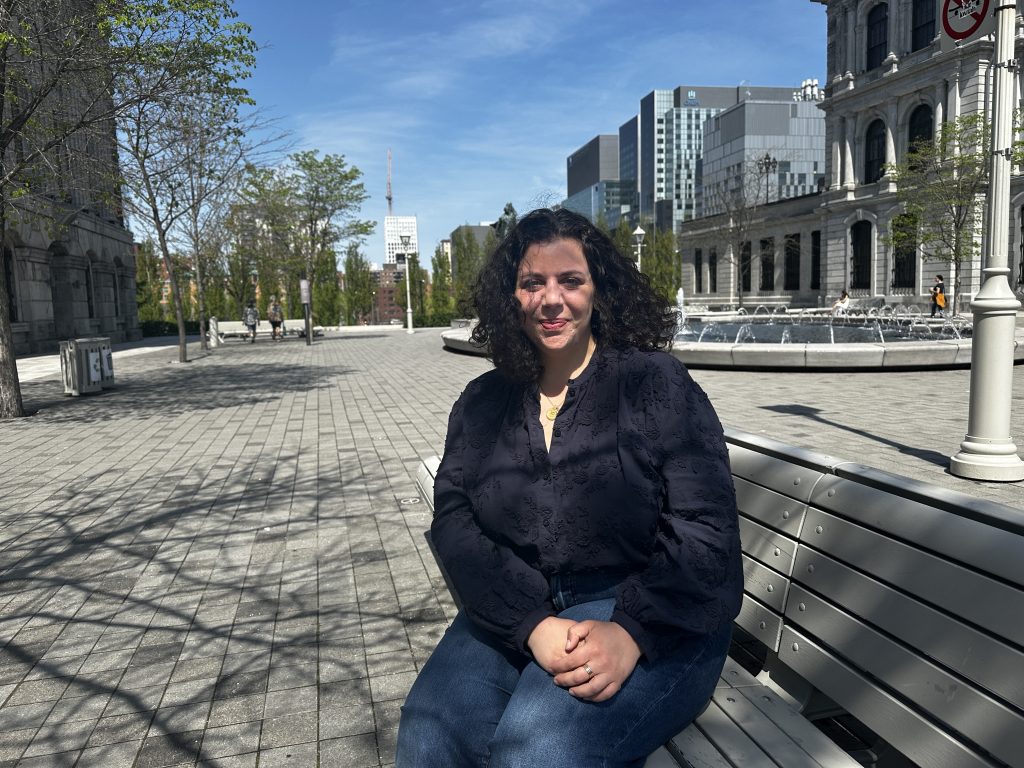
“I’m happy that they are calling it Sanaaq,” Nakuset said. “My concern is how are you helping the people that are across the street? That’s what I’m worried about. I’m worried about the idea that people will have to pass those that are in crisis.”
Hassan-Cournol assures that plans and measures are set in place for potential complaints and ‘bumps in the road.’
“It’s really not an easy matter and it’s not only for the city and the organization on the ground to have the solutions, it’s really up to the Government of Quebec because we’re talking about social services and health,” she explained. “We have the tools and we’ve been working and were going to be working with the organization to test and improve, to think outside the box.”
Nakuset noted previous struggles with the Indigenous homeless population near Cabot Square, from lack of representation, public perception, racial tendencies — noting that past and present stereotypes continue, saying it’s a major problem.
“There’s a high population of Indigenous people that are there and I am afraid that people are going to be pushed out. Once those new condos were set up, there has been a fear that those that are moving into multi-million dollar condos are not going to want to see people that are in the park, in crisis, having a difficult time,” she explained.
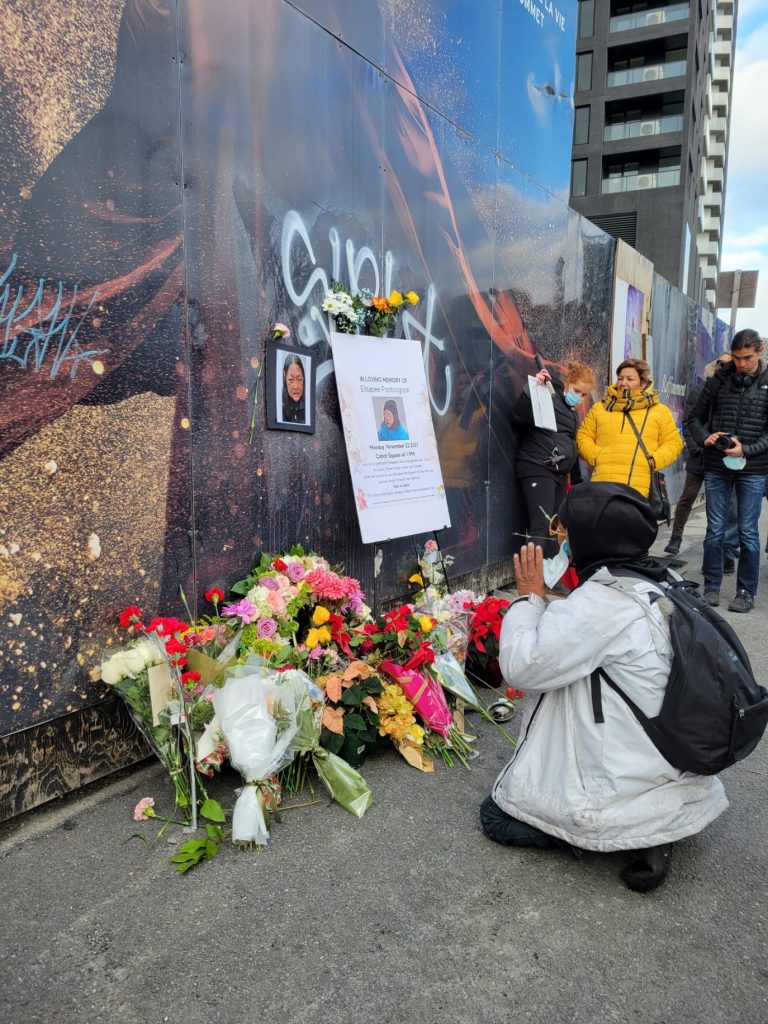
In 2021, Elisapie Pootoogook, an Inuk Elder, was found dead on Nov. 13, 2021, near a construction site for a condominium complex in downtown Montreal. She had reportedly sought shelter near the now established Sanaaq centre.
Nakuset says her memory shouldn’t be forgotten, encouraging the centre to add an in memorial section as well as provide more resources and opportunities for Montrealers to learn of the various Indigenous groups and cultures.
As for Chapman, he believes sacrifices will have to be made by certain community members, noting it will take a lot of careful planning and effort for this project to succeed.
“It can happen,” he said. “If you’re a housed person and you don’t want to see homeless people, you don’t want to hear homeless people and perhaps you also don’t want to smell homeless people and all of a sudden you’re in proximity in the community centre to quite a few homeless people, it can lead to complaints,” he said.
Chapman noted that some Indigenous staff felt disheartened about the new centre, noting that Resilience continuously struggles to find funds to help the homeless population in the area.
“Why is it that we keep hearing there’s no money to help and then you watch a fairly large investment occur right next to you,” he said.
“One of the things that’s difficult to watch is you’re watching this new centre, which comes with all kinds of money,” he said. “Yet you wonder why you yourself are still struggling with basic operational funding really just across the street.”