Medical assistance in dying: Quebecer’s journey for right to make advance MAID request
Posted May 23, 2025 12:07 pm.
Last Updated May 23, 2025 2:57 pm.
Last fall, Quebec became one of the few places in the world to authorize advance requests for medical assistance in dying (MAID), and from October 30 to April 17, nearly 650 Quebecers filled out a form.
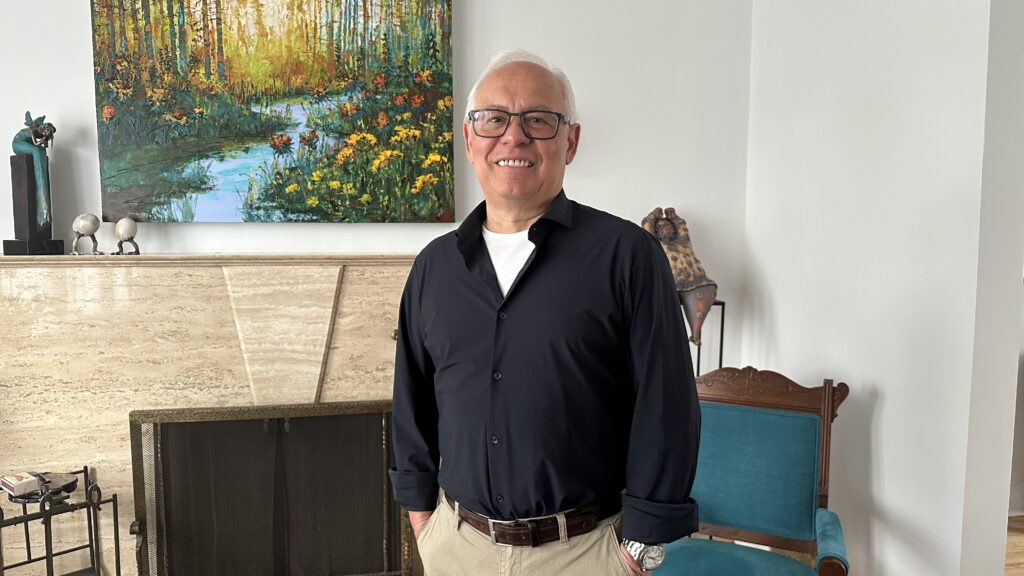
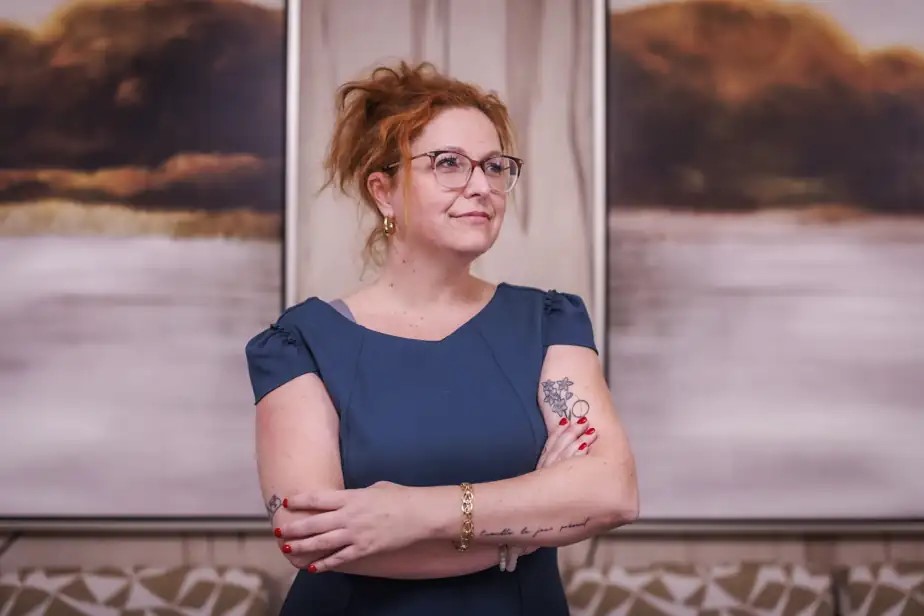
Sandra Demontigny is one of them. She’s a resident of Lévis, near Quebec City, and suffers from early-onset Alzheimer’s.
Demontigny was among those fighting for this right: for a person to be able to give their consent — sometimes years in advance — to receive MAID when their condition meets certain criteria and when they are no longer able to consent.
“MAID is the better way to to die for me,” she said. “Often, I say that I don’t want to die. I would like to live forever. I really am really in love with life. But with my disease, it’s just worse and worse. I know that at some time it will be time to go,” said Demontigny.

The 45-year-old woman has been experiencing symptoms of Alzheimer’s for the last seven years. It’s a genetic condition, and she saw her father suffer through it and die at 53.
She said what her father went through is hard to describe — like talking to himself in the mirror thinking it was someone else or walking on all fours, banging his head on the wall.
“You have to see it to believe it because it’s impossible,” she said.
“When my father died, I was really in shock and I was crying a lot because he left, but more than everything, that I was afraid to live with those kind of symptoms for a long time,” said Demontigny.
At the time, she didn’t know she had Alzheimer’s, but knew there was a risk for her due to the genetic factor. She vowed she wouldn’t get to the point that her father did, if ever she did develop the disease.
It was when she was 38 that she realized it was within her. Demontigny had an episode where she didn’t recognize her own boots for around 10 minutes.
“Then I realized it was mine and I just cried and from there I knew that I had it,” she said.
Some symptoms include memory problems, difficulties with language, and impaired judgment. For her, symptoms can come and go — but it never stops.
“Often, I’m sick of all these symptoms and I get tired of it and I just want it to leave me,” said Demontigny.
She admits that it’s getting harder for her, as her autonomy is more and more limited. She describes it as living with a second skin.
“She’s always, always with me. And she never leaves me. She’s just there all the time. And sometimes she just gets another symptom,” said Demontigny.
Sacha Fontaine, Demontigny’s son, says that he knows his mom feels humiliated sometimes.
“Because you can’t have the same role around you that you used to have,” he said to her.
“For me, she used to be like — she’s still my mom — but she had a role of reassurance and she was confident and she had all she possessed,” he said. “But now she’s more and more demanding, so she needs more and more help. I think the switch of role is really hard, even in our son and mother relationship.”
In the media and at the National Assembly, Demontigny lobbied for Quebec to become the only province to allow advance requests for MAID — joining the Netherlands, Belgium, Luxembourg and Colombia. Currently, the federal government is engaging in a national conversation on advance requests for MAID.
“I’m really, really proud of my mom because it’s a big, a big transition that has been made in Quebec,” said Fontaine.
“She has really been part of this change and I’m really proud that she made this participation. Now that it has been changed in politics, it needs to be applied in our lives and that’s when it gets more emotional than factual,” added Fontaine.

Demontigny submitted her request a few months ago. She doesn’t want to reveal her conditions or timeline. But one thing is for sure: she won’t be “trapped” in her own body if her symptoms worsen.
“Now that I signed my form and everything is set, for me, I really I feel more assured,” said Demontigny.
She and her children know the end is closer than it usually would be, and are taking more time for each other, travelling, and just enjoying the rest of her life.
“When there’s a term on things, I think there’s kind of an imperative to fully enjoy it,” said Fontaine.
“I think the better way is to stay in the present. Because when I think of before, I’m sad, and when I think of the future, I’m scared.”