FRAPRU wants Quebec to build 150,000 social housing units over next 15 years
Posted July 3, 2025 1:25 pm.
Last Updated July 3, 2025 6:05 pm.
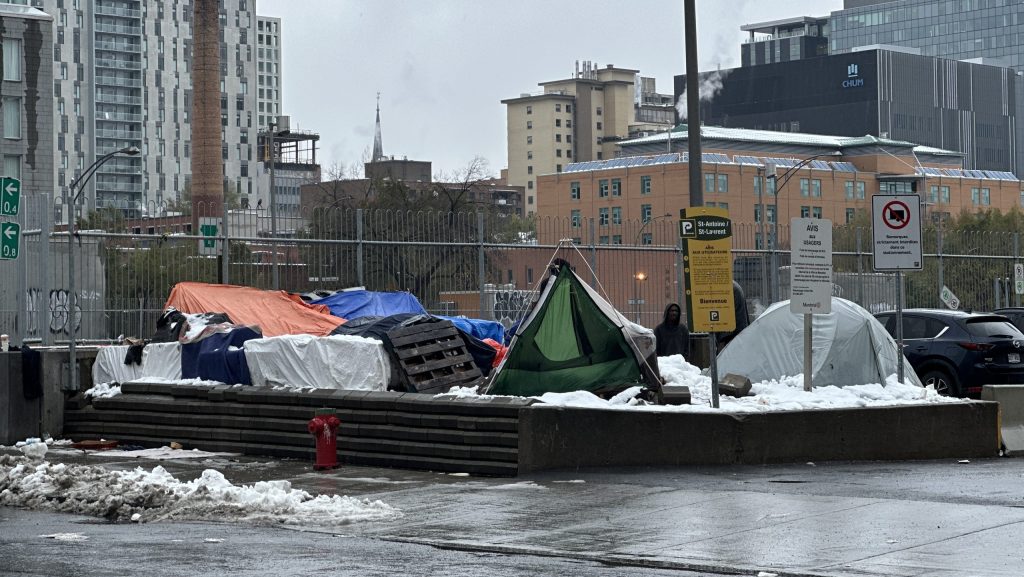
Nearly 1,900 tenant households are still trying to find a place to live in Quebec, two days after the July 1 Moving Day – up 12.5 per cent compared to the same time last year. Throughout the province, 425 tenant households are in temporary accommodations.
In Montreal as of July 1, 287 households are still looking for a place to live. Seventy-eight households are in temporary accommodations according to the latest data from the Société d’habitation du Quebec (SHQ).
Naissa Valery, a Montrealer, is one of the people still unable to find affordable housing after Moving Day. Valery explained that she working, but it is not enough with the current rental market. “Because of my revenue I had an extremely hard time to find housing because of the prices.”
Lussier pointed out there is an increase of homelessness, visible or not. Individuals who stay at relatives or friends who haven’t used a housing support service, but are also in need of affordable housing.
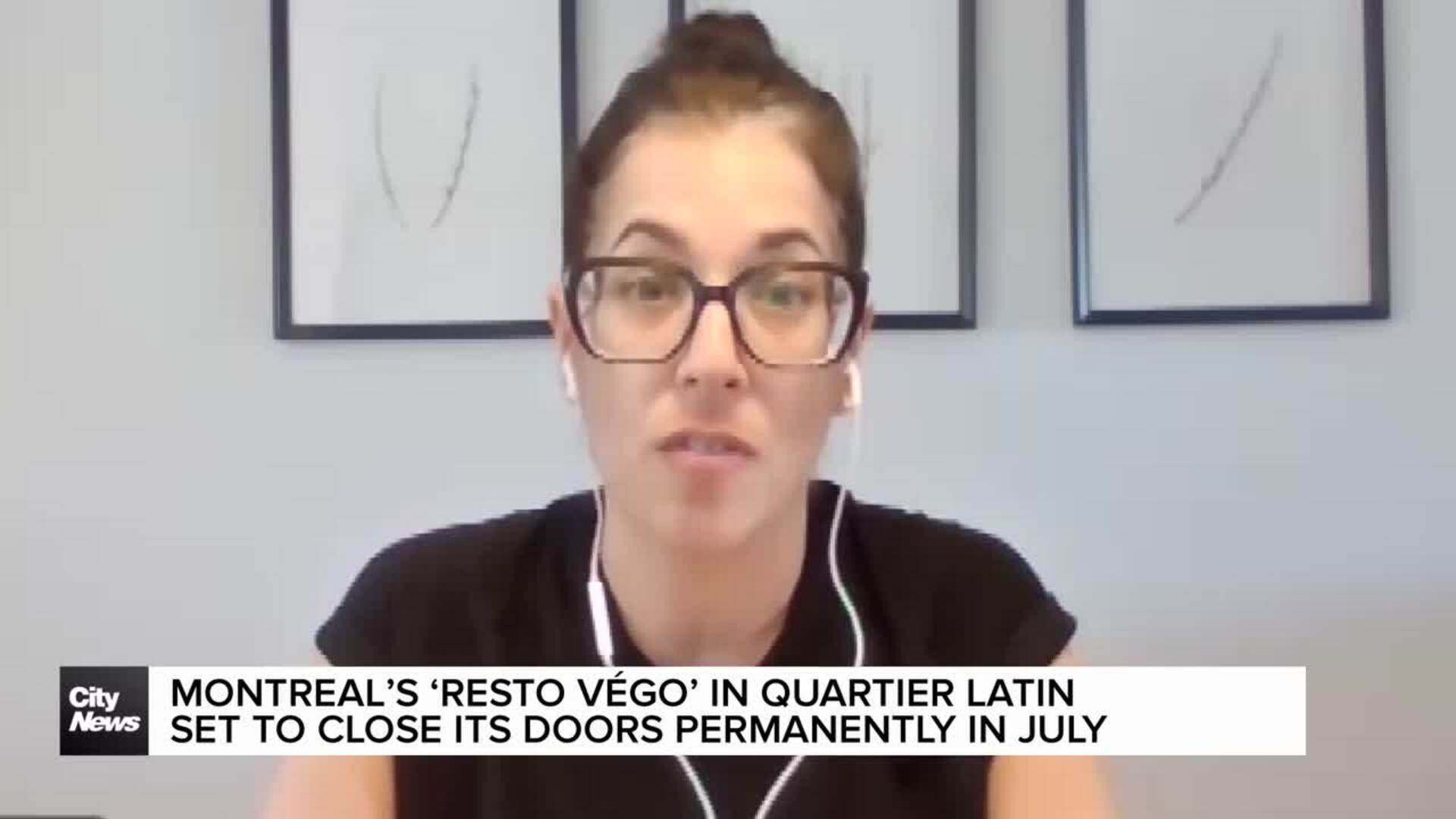
“All the figures are very clear: the rare housing units that are available are unaffordable,” explained FRAPRU spokesperson Véronique Laflamme, who gave as an example a two-bedroom unit, i.e. a 4 ½, for rent for $2,100 a month in the Hochelaga-Maisonneuve borough.
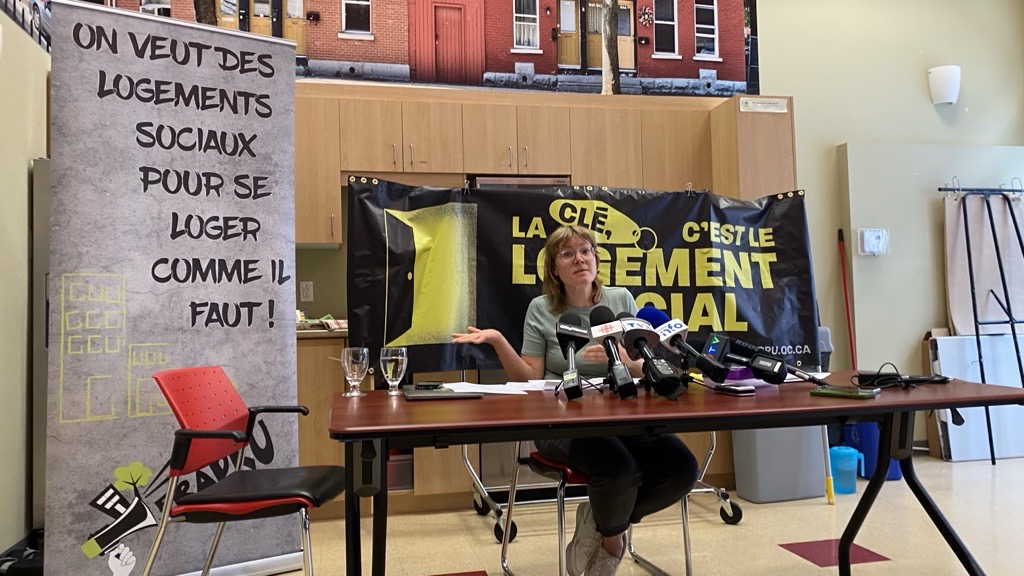
The figures were shared Thursday at a press conference held by the Front d’action populaire en réaménagement urbain (FRAPRU).
FRAPRU says the Quebec rental market has become more expensive and inaccessible for a large number of tenants. “No one is immune,” says Laflamme. “Tenants who never thought they’d find themselves in residential insecurity who, from one day to the next are victims of eviction or repossession, face housing that’s easily $500 more than they were paying before, but their income isn’t increasing at the same rate.”

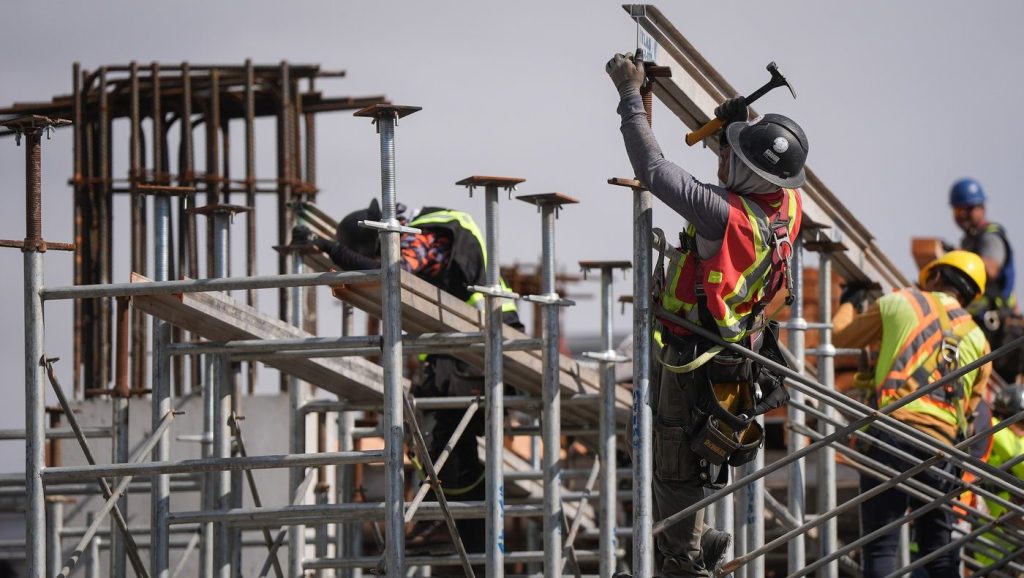

To address the issue of affordability, one of the main demands from FRAPRU is that the CAQ government build 150,000 social housing units over the next 15 years. The organization also calls on the government to remove private rental units from the market, and set up a rent registry. Such a registry not already existing is a political choice, says Lussier.
Véronique Laflamme points out that while renters are not an insignificant part of the population – they account for 40 per cent of households in Quebec and 65.6 per cent of those in Montreal – their reality eludes decision-makers. “When you look at the composition of the Legault cabinet, it’s clear that these people aren’t ”stuck” in housing that’s too small for them and their children. We get the impression that there’s a certain disconnect from the reality experienced by tenants who find themselves grappling with increasingly difficult situations.”
Ottawa, is no better, FRAPRU notes, calling out the federal government for its plans to spend $150 billion per year on the military. “If the federal government put as much money as it’s prepared to set aside for military spending, for example, if we decided to make the housing crisis and the homelessness crisis a priority in Canada and Quebec, we could easily build 500,000 social housing units a year in Canada,” said Laflamme.
Valery echoed this frustration; “Everybody deserves a place that they can call a home and I think that our government should do a better job and to giving access, more access to more housing and to more people.”
-With files from The Canadian Press