Quebec experts report increase in swim class registrations after string of summer drownings
Posted July 6, 2025 6:03 pm.
Last Updated July 6, 2025 6:11 pm.
A string of accidental drownings in Quebec this summer has led locals to increasingly register for swim classes.
After more than 30 drownings in Quebec so far this season, experts say numbers are up from the same period last year. Near the end of June, a man died at Verdun beach amid a heat wave and earlier last month a mother and son lost their lives in a residential pool in Montreal’s Lachine borough. The Lifesaving Society says there’s been an increase in registrations for swim classes as a result.
“Typically, when you start hearing about a spike of drowning in the news, this gets on people’s minds, especially parents that have young children,” said Adam Di Fulvio, founder of Montreal Institute of Swimming. “We do tend to see an uptick at our swimming school. We do tend to see an uptick in registrations around the beginning of summer. Because typically at the beginning of summer is when people flock to pools. During the first heat wave, everybody goes to beaches and as a result, there are often more drownings.”
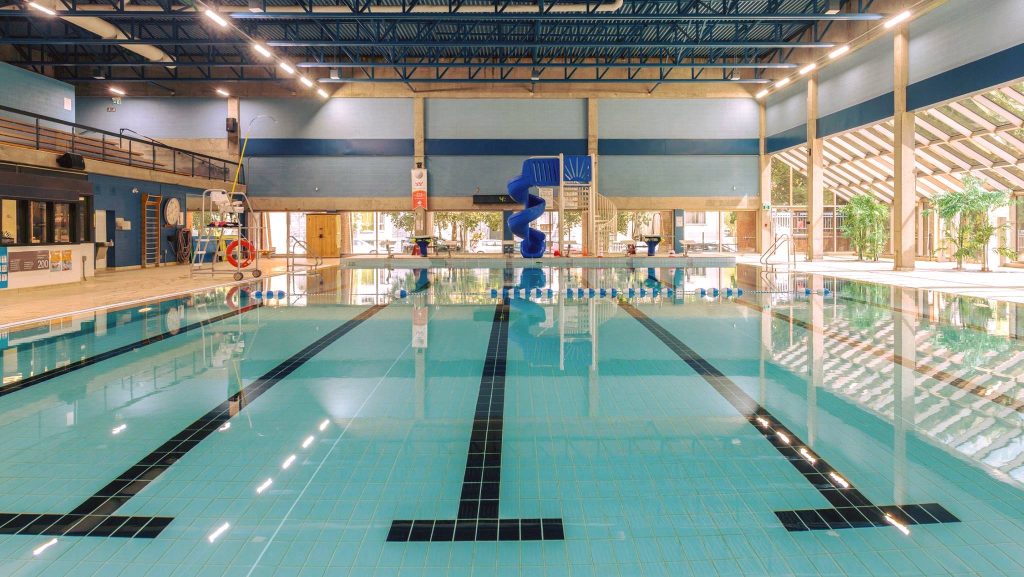
To ensure long-term swimmer safety Di Fulvio recommends that parents enroll their children in swim classes for children as young as three months and up. Parents can register their child either with private swim schools or any outdoor pools across the region.
“I think that the most beautiful gift that parents should give to their kids is swimming lessons,” said Francois Éthier. “This is really important, water is your friend, but it could be your enemy too. So, you have to know and learn young. When you learn young, it’s easy as you grow up.”

“I have three kids, and they learned to swim around 3-4 years old because it’s not only important for drowning but it’s important for the future too,” said Noémie Loiselle, master swimmer and ex-lifeguard. “What I mean by that is, when you’re a teenager and you don’t know how to swim but all your friends know how to swim, and they want to go on a boat or something like that and something happens, and you don’t know how to swim…the worst thing could happen.”
“If I saw the data, I can tell you it’s more the 24, 25, 26, 27 year old’s and over 65,” said Raynald Hawkins, executive director at Lifesaving Society Quebec. “What we know is 50 per cent of all the drowning victims, doesn’t matter age, enders, and aquatics or boarding activity, they were alone when the drowning situation happened or occurs.”

According to experts, open water swimming accounts for the majority of drowning deaths – often occurring in unsupervised areas, the absence of lifejackets or overestimation of swimming abilities – especially in relation to alcohol consumption.
“When you’re around water, once again, you need to make sure you’re aware of the signage,” said Di Fulvio. “Is there a lifeguard? Is there a current? And number two, you need to really be aware of your surroundings. When does the water get deep? Where are the entries to the water? The main rule that I always recommend that adults enforce with their kids around pools is that number one, you never swim without an adult. And number two, kids should only go in the pool after the adults have gone in first.
“Lifejackets are really important when you go on a boat or a pontoon, or whatever – not on the side, on you, because we never know what can happen,” said Loiselle.
“This is the time of the year, July, where we have more drownings in one month and that’s why we’re going to launch on the 20th of July up until the 26th of July, the national running prevention week,” said Hawkins.