Spike in asylum seekers at Quebec’s Lacolle border, more claims in first of week of July than all of May
Posted July 9, 2025 1:10 pm.
Last Updated July 10, 2025 11:32 am.
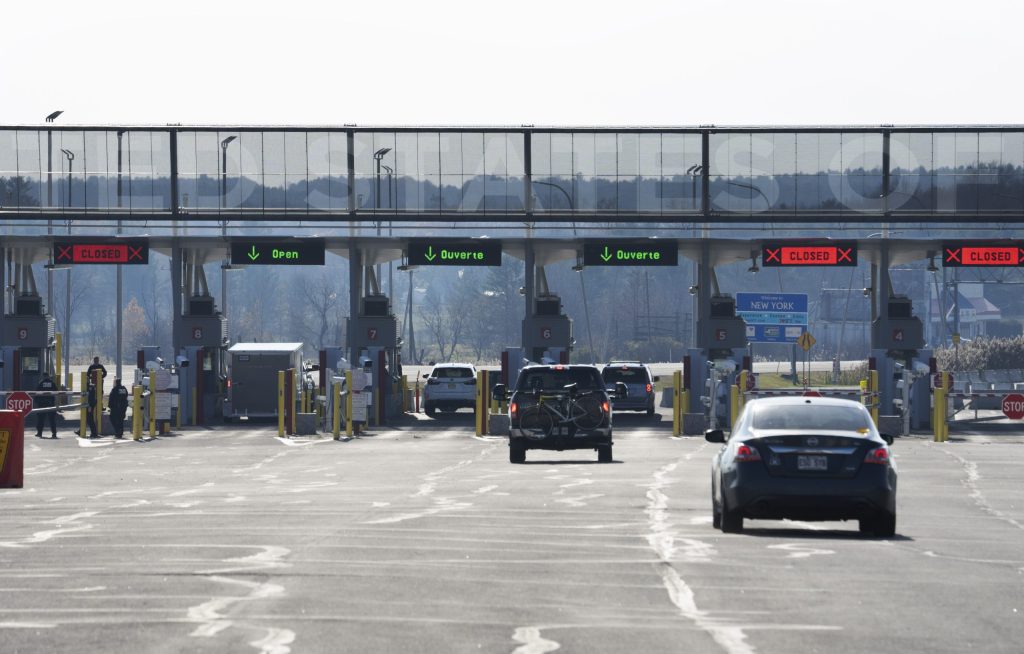
More migrants arrived at the Saint-Bernard-de-Lacolle border crossing, south of Montreal, during the first week of July than during the entire month of May, according to new data from the Canada Border Services Agency (CBSA).
More than 750 people claimed asylum in the first six days of July, compared to 638 in all of May. That’s an average of 125 people per day.
The CBSA tells CityNews Haitians are the nationality that have made the most asylum claims, as of July 6.
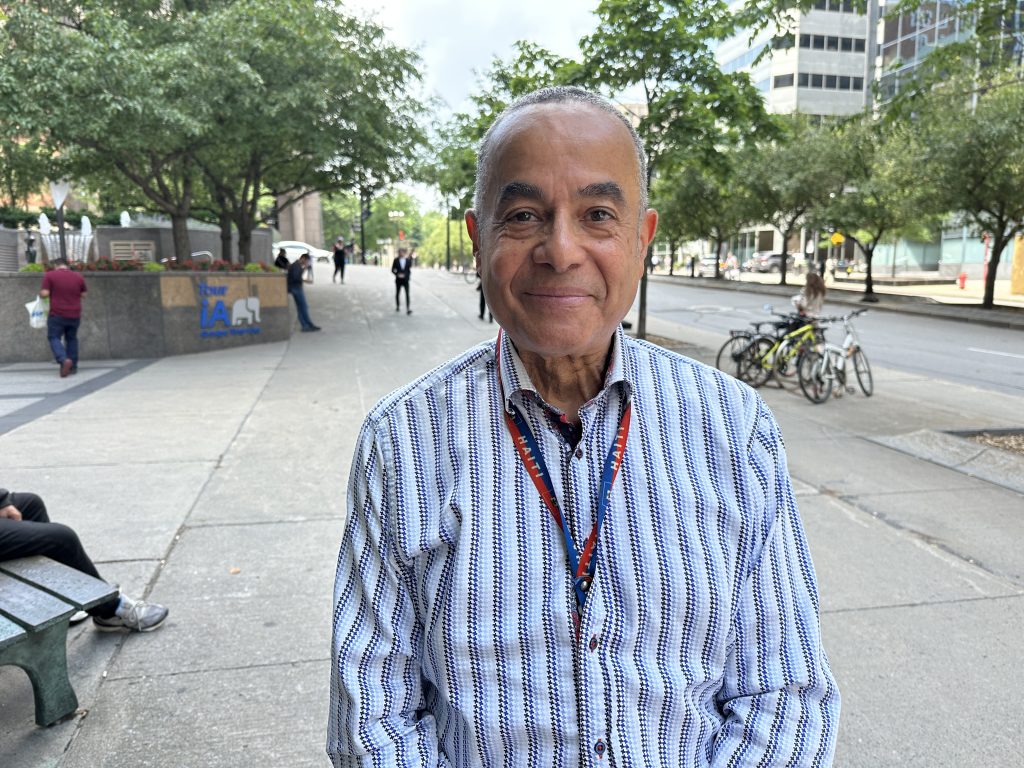
Frantz André, who works to help Haitians integrate into Canada as a spokesperson and coordinator at Comité d’Action des Personnes sans Statut, says that currently he’s been contacted by many Haitians in the United States.
“We have a big concern because people truly feel insecure,” said André. “I’m getting, I would say, every day about 10 to 20 calls from people, they’re calling me either through Messenger because they phone me on Facebook, they’re calling me on WhatsApp because my phone number is also on Facebook. ‘How can I get here in Canada?’”
The sudden influx comes as U.S. President Donald Trump’s administration is once again trying to cut a program allowing Haitians fleeing instability to remain legally in the United States.
A federal judge last Friday blocked the Trump administration from revoking this status for 520,000 Haitians currently in the U.S.
“It started as early in Oct. last year when Donald Trump was talking about Haitians eating cats and dogs in Springfield, Ohio, and that came all the way here,” said André. “People already saw where Mr. Trump was going to go and there was already a movement of people calling me and saying how can I get to Canada.”
André adds that for those still wanting to enter Canada from the U.S., they should be aware of the rules prior to applying for an asylum claim.
Since the start of the year, due to the uncertainty, there has been a rise in claims for asylum at the Canada-U.S. border in Quebec.
The numbers were noticeable in March, when there were 1,356 claims, compared to 755 in February.
The figures skyrocketed in April, when it jumped up to 2,733. May seemed to have been a calmer month at the border, while June saw 1,593 claims.
So far this year, the Lacolle border saw a total of 8,396 asylum applications — almost double the amount compared to last year at the same time.
Since Jan. 1, Quebec has received the most asylum seekers across Canada: 12,000 of the 18,600 applications processed were processed in the province.
“We’ve seen an increase and it’s going to continue,” said André. “Right now we have people in despair. We have people that are still thinking about suicide because going back home, they might be kidnapped, killed, raped. So they would want to die in Canada, in the States, killing themselves instead of going back home.
“I have people who are going through a depression, even suicidal. This is criminal, what we’re doing.”
Under the Safe Third Country Agreement, it is not possible to seek asylum when arriving via the U.S. unless you meet an exception, such as having a family member in Canada.
André is critical of the Canada–United States Safe Third Country Agreement because of how it can limit people to making asylum claims in either Canada or the United States, not in both countries.
“Some of them may not be threatened back home in Haiti, but they are threatened in the States,” said André. “So the Safe Third Country Agreement between Canada and the United States should be voided because the United States for Haitians and others, but mainly Haitians, the States is no longer secure. It’s not a safe country.”
This year, 2,050 asylum seekers were returned to the U.S. because they did not meet the exceptions, according to the CBSA.
In a statement to CityNews, the CBSA says it “has plans in place to maintain a secure border in the event of an influx of refugee claimants.”
Depending on the level of activity, mitigation measures could include:
- Strengthening operational capacity by deploying personnel to where they are most needed
- Securing additional IT equipment, infrastructure and supplies, for example by leasing nearby facilities to provide additional processing space
- Upgrading infrastructure, such as installing portable washrooms and fitting up vacant rooms with office equipment
- Installing remote connectivity for processing asylum seekers and holding individuals who need to be returned to the U.S.