Kahnawà:ke proposes road tolls in retaliation to $4.5B fed budget cuts to Indigenous Services Canada

Posted August 5, 2025 1:05 pm.
Last Updated August 5, 2025 5:56 pm.
The Mohawk Council of Kahnawà:ke (MCK) is condemning federal budget cuts that could slash 15 per cent of Indigenous Services Canada’s (ISC) budget over the next three years – calling it racialized austerity.
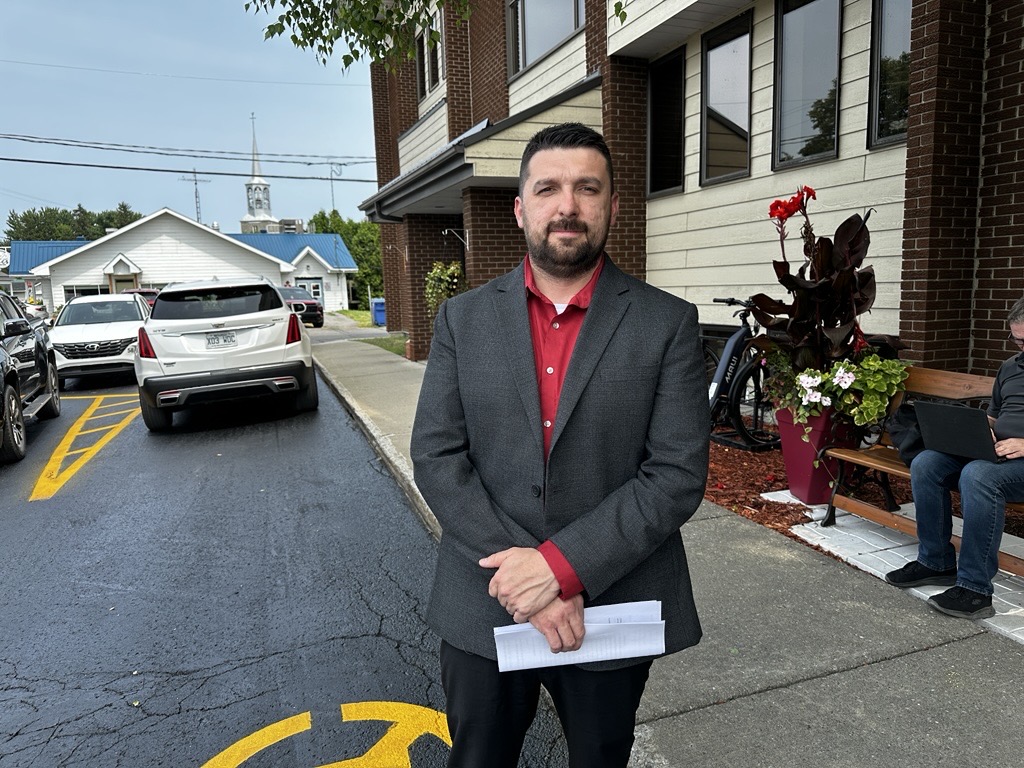
At a press conference in Kahnawà:ke, south of Montreal, on Tuesday, Grand-Chief Cody Diabo says the community is exploring retaliatory measures, including implementing tolls on highways that run through the territory.
“We have to assess the best locations and really assess overall, there’s 120,000 vehicles easily that travel through our territory a day, encumbering our citizens, putting a burden on our resources, and polluting our air,” he said.
Passageways, trains, & automobiles
Little is known about the logistics of the proposed tolls, including placement or cost, though Diabo didn’t shy away from mentioning the possibility of adding the CP Rail line (Canadian Pacific Railway) and the St. Lawrence Seaway passage to the list.
Roads being considered include Routes 138 and 132, which are both major highways used by commuters to and from Montreal and the South Shore. Tolls could be around $4.6, which is the rate charged by nearby Highway 30, though Diabo suggests prices could be lenient.
“All we wish to do is have dialogue, but at the end of the day, we’re resorting to doing different measures like this.”
The First Nation is adding its voice to the mounting criticism of Mark Carney’s controversial major projects legislation. The (MCK) says Bill C-5, also known as the One Canadian Economy Act, is “racialized austerity” because of budget cuts to federal departments, including Indigenous Services Canada.
The Carney Government reportedly plans to cut $25 billion from the federal budget – departments impacted also include veteran affairs and research communities. Federal ministers have been asked to achieve savings of 7.5% by next spring.
Senior Economist with the Canadian Centre for Policy Alternatives, David MacDonald, confirmed with CityNews that ISC could expect an annual cut of $4.5 billion by 2028
$4.5 billion in cuts by 2028
“Clearly, there would be negative repercussions. If you’re taking this type of cut you know $4.5 billion in transfers to First Nations governments this is going to impact things like policing services, healthcare, education, basic public services and this would be in addition to the fact that these services were never adequately funded in the first place,” MacDonald said in a Zoom interview.
“These are all on the block”
Macdonald explained that the ISC department, in particular, is a transfer department where 80 per cent of the money that flows through goes to another level of government, largely First Nations governments to administer services from policing, community infrastructure, education, and healthcare.

Macdonald, who looks into federal and provincial government issues in Ottawa, says they are looking at the cuts that impact a variety of departments. He notes that areas like the Department of National Defense, RCMP, and border security are facing only a two per cent cut.
“This would be a terrible precedent for First Nations communities that already don’t have enough funding for basic public services. So it’s unfortunate that First Nations weren’t put in the same camp as D&D border services and protected from this entire exercise.”
“Why is it happening to Indigenous services? I just think that nobody thought it through,” Macdonald theorized. “No one looked at the transfer relationships between the federal government and First Nations, figured out how much that was worth in terms of how these cuts are being defined. I just don’t think it was thought through.”
In a statement to CityNews, Indigenous Services Canada states:
“On July 7th, federal departments were asked to bring forward savings proposals targeting the day-to-day running of government by targeting programs and activities that are underperforming, not core to the federal mandate, duplicative, or misaligned with government priorities. Statutory transfer payments to provinces, territories and individuals will be maintained, but most other government spending will be included in the review. As Indigenous Services Canada undertakes this comprehensive expenditure review, effective delivery of core services to Indigenous partners will be central to our analysis. The department’s work is and will continue to be grounded in meaningful partnerships with First Nations, Inuit, and Métis Peoples to create a more prosperous future for all. Savings proposals are still being developed and no decisions have been made.”
Meanwhile, Diabo called the C-5 legislation a “violation of human rights and constitutional guarantees.” — Bill C-5 is a federal legislation aimed at stimulating the economy, allowing the cabinet to quickly grant federal approvals for big projects deemed to be in the national interest by sidestepping existing laws.
“While provincial transfer payments are being shielded to safeguard essential services for everyday Canadians, these same protections are not extended to First Nations communities,” Diabo said.
“Slashing federally funded services provided through ISC creates a dangerous disparity, amounting to racialized austerity and placing the burden of economic restraint squarely on Indigenous peoples already battling systemic underfunding.”
Diabo says the tone from other First Nations communities across Canada were ‘shocked’ — adding that he has to reach out to other Iroquois caucus communities. He clarifies that they don’t fall under the Assembly First Nation (AFN), though he anticipates large discussions at the General Assembly in Winnipeg.

“We do know, maybe the Canadian public doesn’t know, but Kahnawake is a hazardous corridor. So all hazardous materials have to come through Kahnawake, unfortunately,” he explained.
“Not by our own will, but other bridges don’t accept things like that. So they all have to come through here. So if there’s ever a disaster, of course, it’s the First Nations people that have to suffer the brunt of that.”
When asked where the toll funds would be going, Diabo cited both towards the community and to water infrastructure — as most within the community continue to struggle with access to centralized water.
“We don’t want to impact the citizens, the everyday citizens; however, your government has left us no choice at the end of the day,” Diabo said.
“All we’ve ever wanted to do since day one, since first contact and sharing the land, was wanting to be peaceful and coexist. We understood you know that we can benefit from each other; however, you know for the last couple of hundred years, we’ve seen just the systemic breakdown of us, trying to erase us, and that’s something that Kahnawà:ke will not be. We will not be erased.”