Montreal’s Welcome Hall Mission opens women’s only transitional facility
Posted August 25, 2025 9:47 am.
Last Updated August 25, 2025 5:08 pm.
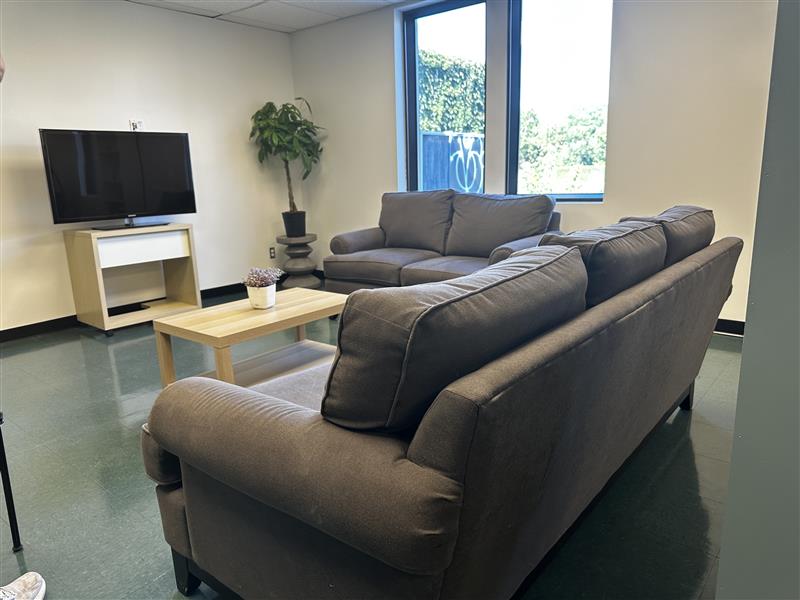
In an effort to help alleviate the homelessness crisis while also providing much needed support, Montreal’s Welcome Hall Mission is opening a 24/7 women’s-only transitional facility, which helps those in the unhoused community struggling with mental health.
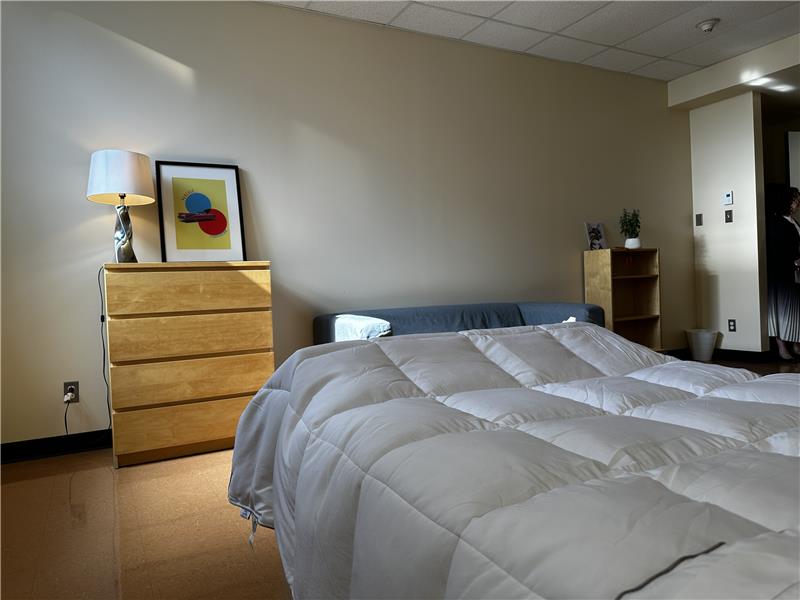
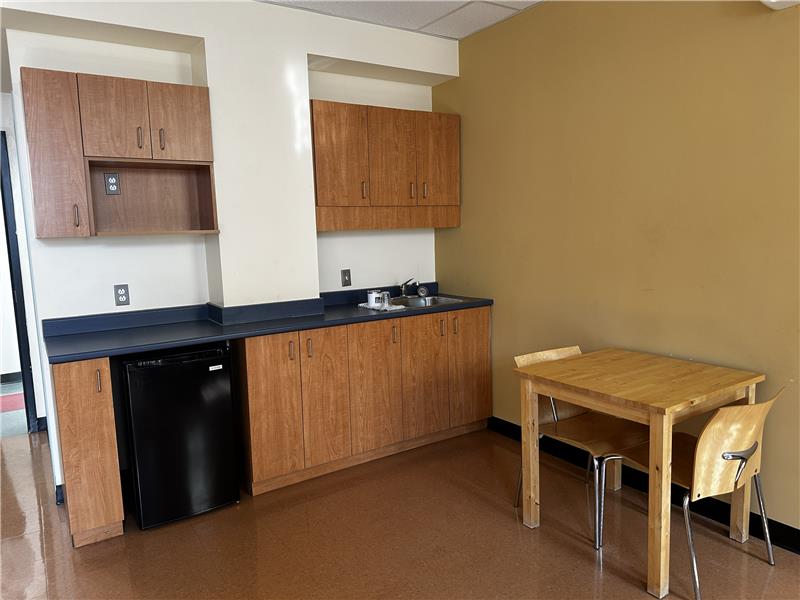
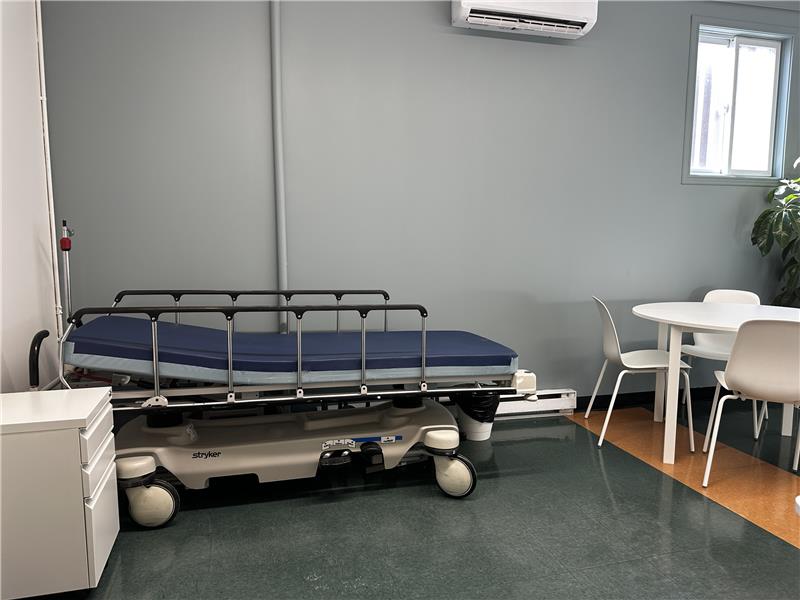
The mental health reinsertion program for women experiencing homelessness, or PRISM, will offer eight rooms along with services all tailored to meet any specific needs — particularly for psychiatric disorders.
“This is huge for women who are vulnerable, because often the vulnerabilities will show up in a variety of different ways,” said Sam Watts, CEO and executive director of Welcome Hall Mission.
“PRISM is a proven program that helps people living with mental health issues regain residential stability by combining the best psychiatric care with the expertise of community organizations such as Mission Bon Accueil (Welcome Hall Mission),” he explained.
The 8-12 week program is said to “provide rapid access to transitional therapeutic environments” along with intensive clinical and psychosocial support which will help facilitate a transition to stable housing.
“Homelessness has increased in Montreal. We all acknowledge that it’s concerning. But the other element of concern is that there are so many women who are finding themselves on the outside,” Watts added.
Watts confirmed they are receiving $500,000 from the nearly $1 million government investment.
Historically the program was centered around men, though the need to expand for women was evident, Watts adds.
Former beneficiary of the PRISM program Jeff Shoer says this service will exponentially help those get up on their feet, as more and more women are left on the street.
“They’re going to feel, I mean, in some ways like [a] princess,” Shoer said. “It’s going to change the whole dynamic, I believe, of their life.”
The initiative is in collaboration with the Centre-Ouest-de-l’Île-de-Montréal regional health authority (CIUSSS), developed through partnerships between emergency and transitional housing resources, the health and social services network, and regional partners. It is said to fill gaps in services for homeless people with serious mental illness like psychotic disorders, such as schizophrenia or schizoaffective disorder.
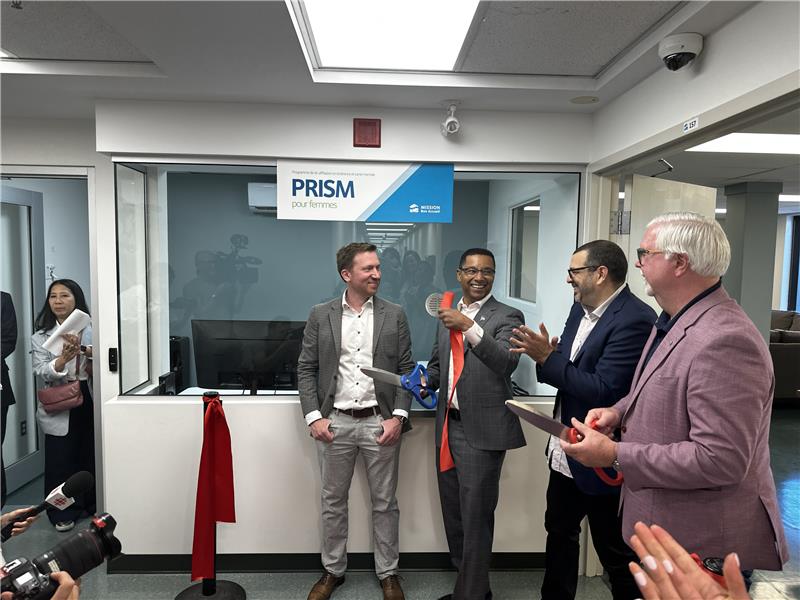
“These steps are really individualized to each person. Sometimes it can mean work on legal issue, immigration issue, medical issues, and many other kind of problems,” said psychiatrist and director of the PRISM program Dr. Vincent Laliberté.
“We work with every person according to their individual need.
“Some people will discover that there is, for example, substance issues so problematic that we need to redirect toward a rehab program. Although it might be in hospitalization. Some people will, unfortunately a minority, return to the street. But for the vast majority, it’s autonomous housing with the help of the support of a team in the community.”
Last week, Montreal Mayor Valérie Plante requested a “top gun” on homelessness during the upcoming provincial cabinet reshuffle. Quebec Social Services Minister Lionel Carmant said although he respects the will for more investments, he said the focus should be prevention and supervised housing.
“I welcome the rollout of this initiative, which illustrates the commitment of all partners to fight homelessness, both in Montreal and across Quebec,” said Carmant. “I am particularly pleased that this initiative targets women who are homeless and living with mental health issues, as they face a double vulnerability. It is by joining forces and investing in innovative solutions that we can offer hope to those who need our support the most.”
Shoer opened up on his previous struggles with homelessness, explaining there are various reasons why one can be unhoused — referring to challenges he faced while in the pandemic. While discussing his time in the program, he says the comfortability and presence of safety is what new arrivals will feel and sense on the first days.
“Who can relax if you don’t feel safe? Like anybody. Like in the streets, in the metro, especially where you live, you really want to feel safe there. I mean, what’s the point of having your own place,” Shoer said.
“You move on,” he said.