Garbage pickup and Camillien-Houde: Projet Montréal reverses course on two major projects
Posted August 25, 2025 9:32 am.
Last Updated August 25, 2025 5:39 pm.
Projet Montréal has announced a reversal on two of their significant initiatives: biweekly garbage collection in the city’s Hochelaga-Maisonneuve borough, and postponing the Camillien-Houde project on Mount Royal.
The party’s double reversal comes as the city’s election campaign lies right around the corner, with Montrealers slated to cast their ballots on Nov. 2.
Hochelaga-Maisonneuve garbage pickup
If re-elected this fall, Projet Montréal said that garbage pickup in Hochelaga-Maisonneuve could return to a more frequent schedule, following months of complaints from residents over the borough’s current biweekly collection system.
The switch from the borough to have biweekly garbage collection began in November 2024 — this part of the party’s larger plan to make Montreal a zero-waste city by 2030, and its pledge to become the greenest city in North America.
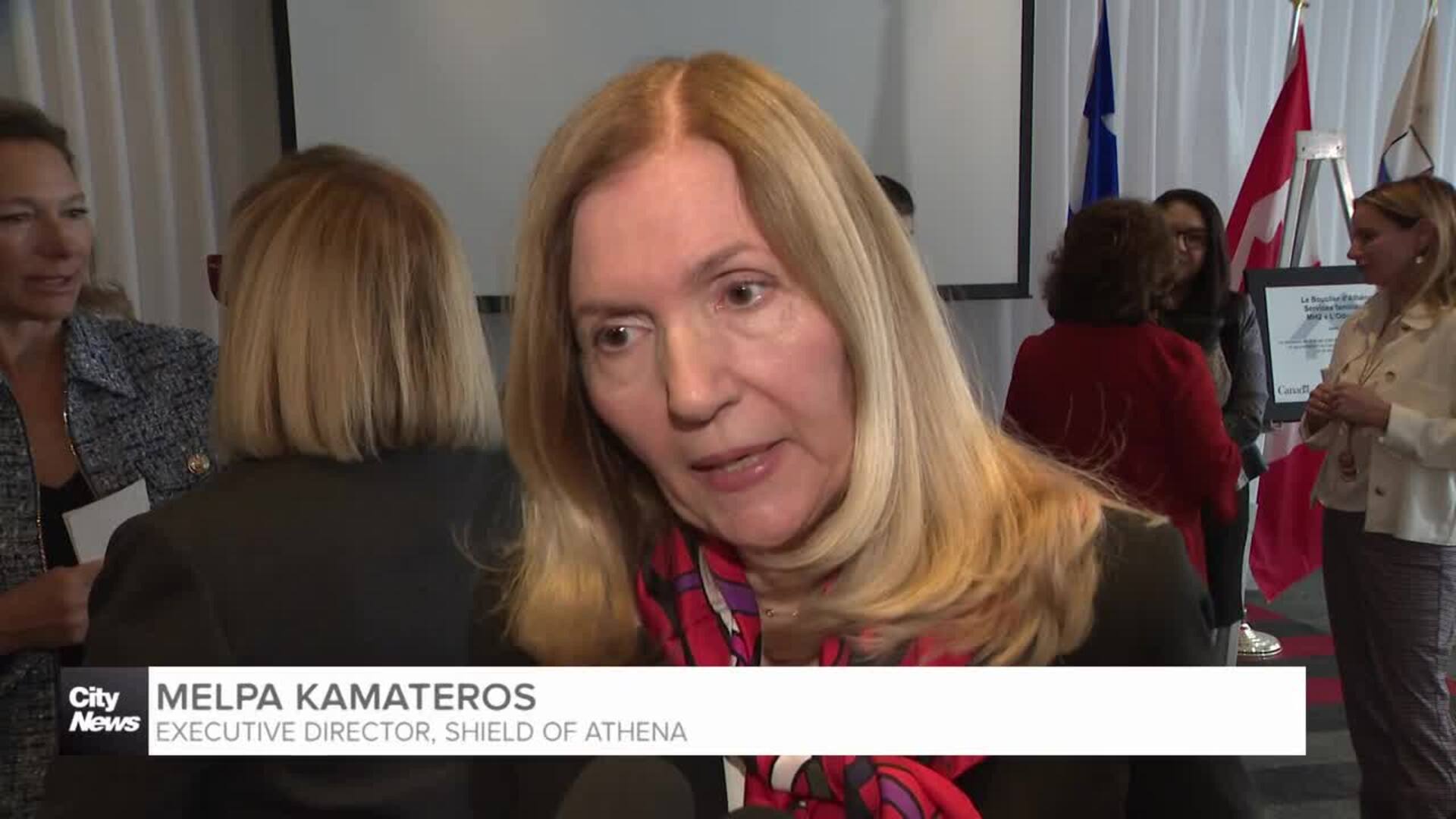
“I want to recognize the effort from the citizen to participate in this project,” said Luc Rabouin, head of Projet Montréal and mayoral candidate. “But it’s hard during the summer. So we will give them a break during the summer to recognize their effort.”
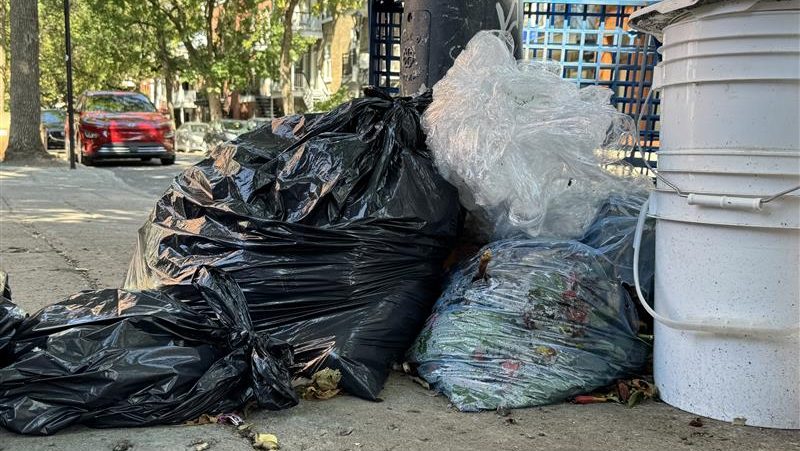
But since then, residents have been citing unpleasant odours, overflowing bins, and an increase in rodents as major concerns. While other major Canadian cities reduced garbage pickup frequency long ago, Montreal has struggled to get the population on board.
“It doesn’t really bother me, but (it bothers) others — young families, elderly people who are in diapers,” said Hochelaga resident Ginette Constantineau. “There are more and more flies.”
Constantineau said the problem has only grown since the borough switched to biweekly garbage pickup last year.
According to former resident Tiffany Brooks, who left Hochelaga a few years ago, the borough’s trash issue has been around for much longer.
“You see it all over the Hochelaga-Maisonneuve Facebook page, like, it’s just massive piles of stinky gross trash,” she said.
Brooks believes the promise from Rabouin is a step in the right direction, but questions its timing.
“I just wonder if that’s an election promise and something that or if it’s something that’s been thought out,” Brooks said.
At a press conference on Sunday, Projet Montréal announced it would bring back weekly pickups, but only during the summer months, specifically from June to September.
“Public opinion is so important for me because it’s part of my identity and the way I want to work with citizens as the new leader of Projet Montréal,” Rabouin told reporters Monday after being asked why he decided to walk back on the trash pickup schedule just as election season ramps up.
“We have heard citizens’ concerns, and it is essential to demonstrate agility,” said Alia Hassan-Cournol, mayoral candidate of Mercier-Hochelaga-Maisonneuve. “It remains important for us that spaced collection remain in place for most of the year, as this measure has positive and concrete effects. However, it now seems clear that the summer period poses more challenges. That’s why we will adjust to ensure the cleanliness of public spaces during this critical period.”
Just weeks ago, opposition party Ensemble Montréal proposed restoring weekly garbage collection from May to October.
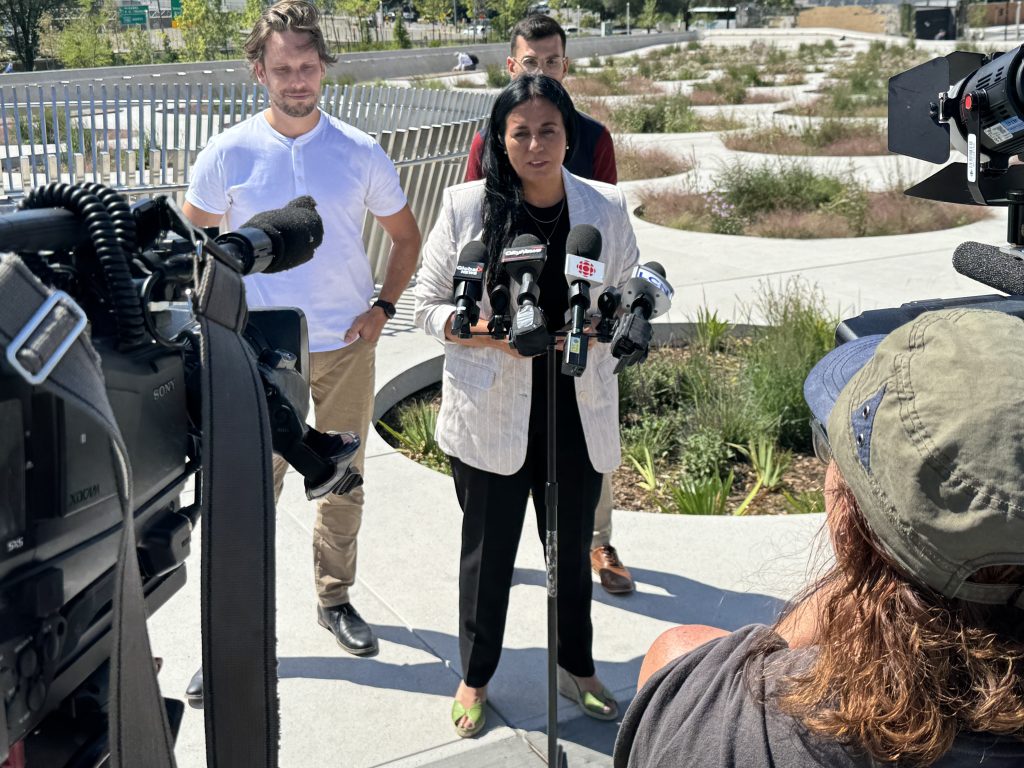
Following Projet Montréal’s new promise, Ensemble Montréal leader Soraya Martinez Ferrada shot back at Rabouin, telling reporters at a press scrum Monday that Projet Montréal only changed course once public pressure reached a boiling point.
“It had to come to the point where people wouldn’t open their windows, the trash was everywhere?” she said. “It had to come to that point for them to listen?”
“I think it just (speaks) to really who they are,” she added. “Which is not people that listen, not an administration that listens to Montreal — but (one that) just listens to the second of November that’s coming up.”
Postponing Camillien-Houde project
The second reversal from Projet Montréal involves the Camillien-Houde project on Mount Royal, which included ultimately closing the Way to vehicle traffic.
This was part of the city’s plan to redesign Mount Royal — with the goals to increase the amount of green space on the mountain, minimize erosion of the rock face, and protect travel for all users.
The plan to close Camillien-Houde was pushed forward by Projet Montréal, even after the city’s Public Consultation Office recommended against it back in 2019.
On Monday morning, Rabouin announced in a press release that if elected he would modify the Camillien-Houde Way redevelopment project and postpone it. His aim: to realign the city’s priorities with the urgent needs of Montrealers.
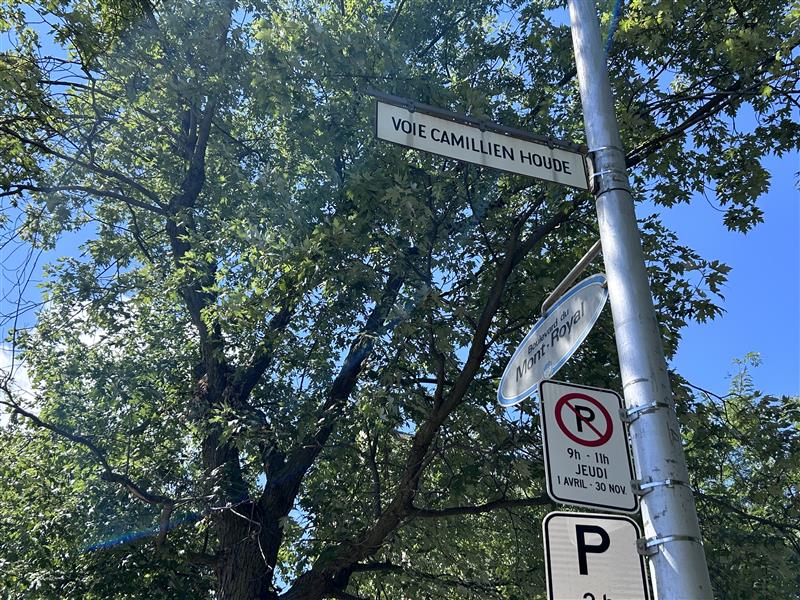
Rabouin acknowledged the importance of the Camillien-Houde project but said it requires reworking to ensure better access to Mount Royal — especially for seniors, people with reduced mobility, and families. He also emphasized that the project cannot proceed without confirmation that it is possible to integrate public transit to the summit.
“In the short term, my priority is to devote as many resources as possible to getting people off the streets and addressing the housing crisis,” he said. “In a context where resources are limited, we must make responsible choices.”
Outgoing Mayor Valérie Plante said the project was about “protecting the mountain.”
“I mean, it is a priority, it is very important,” Plante said Monday. “And if the candidate, Mr. Rabouin decides to move forward the calendar of when to do that, to protect the mountain, it’s his prerogative.”
If elected, Rabouin said that he promises to direct funding and attention toward tackling homelessness, the housing crisis, and to invest in neighbourhoods already suffering the effects of climate events—particularly in those already affected by flooding and extreme heat.
CityNews spoke to some Montrealers, who agreed that the delay is a detour worth taking.
“There’s definitely a housing crisis,” said Montrealer Sly Labrecque. “The price is way too high (…) you can’t pay for your rent.”
“More and more Montreal citizens who live find it hard when there are floods and who always want us to move faster,” added Plante. “The importance of this project is important, is essential, I want to say, to be able to adapt the work schedule and to be able to take part at this time. It’s part of the sums for other projects. It’s the prerogative of the next administration.”
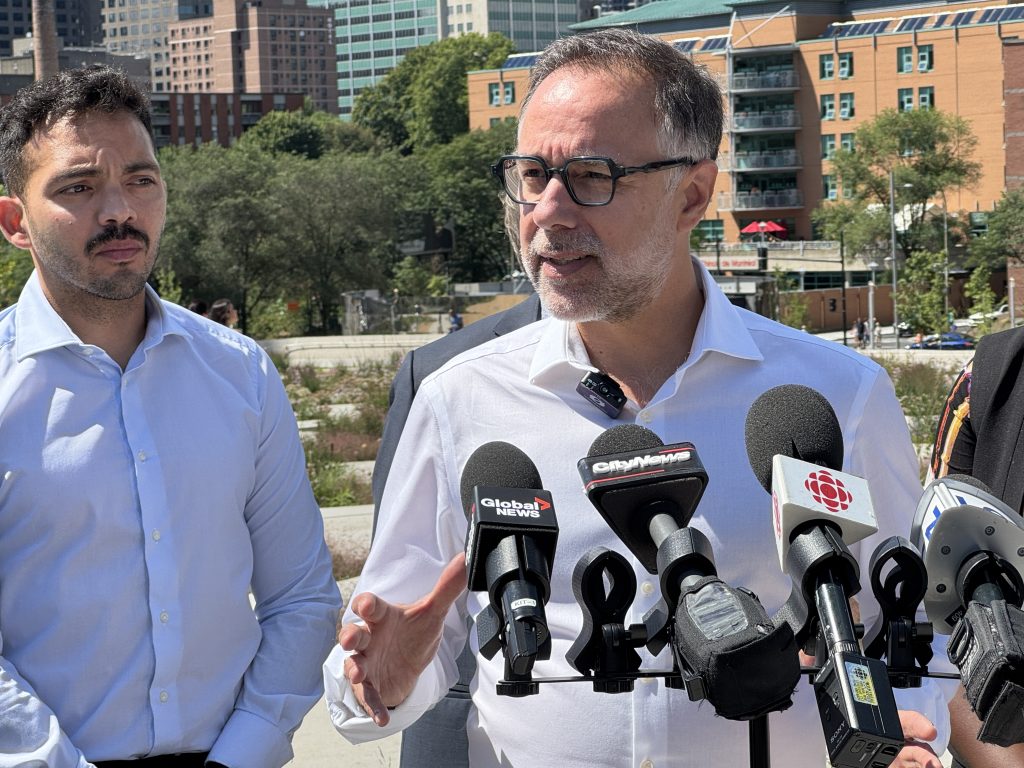
Ferrada said Monday that Projet Montréal’s reversal on the Camillien-Houde project is just another example of the party turning a deaf ear to Montrealers.
“They think they have the solution, they impose it, and then they try to listen and actually they don’t,” she said. “The consultation office said: ‘Don’t close it down, keep Camillien-Houde open,’ and that’s not what they’re doing.”
“It’s not a good time to start Camillien-Houde,” Rabouin said in response Monday. “We have to focus on priorities.”