Over 1,700 Quebec households still without housing
Posted September 4, 2025 2:55 pm.
Last Updated September 5, 2025 5:38 pm.
The number of households in Quebec that still did not have housing as of Sept. 2 remains stubbornly stable compared to last year, despite an upward trend in the vacancy rate.
The latest data compiled by the Société d’habitation du Québec (SHQ) from housing assistance services show that 1,754 households are actively looking for housing or are being housed by municipalities. Last year, at the same time, the number was virtually identical at 1,757.
Véronique Laflamme, spokesperson for the Front d’action populaire en réaménagement urbain (FRAPRU), explains that rents are being pushed up even in areas where new housing is being built. “Municipalities such as Drummondville, for example, where there is a lot of construction activity, have seen their median rent increase significantly. It is a municipality where there are a large number of tenant households currently struggling to find housing or who are homeless. So there is construction activity, but the new housing being added is very expensive.”
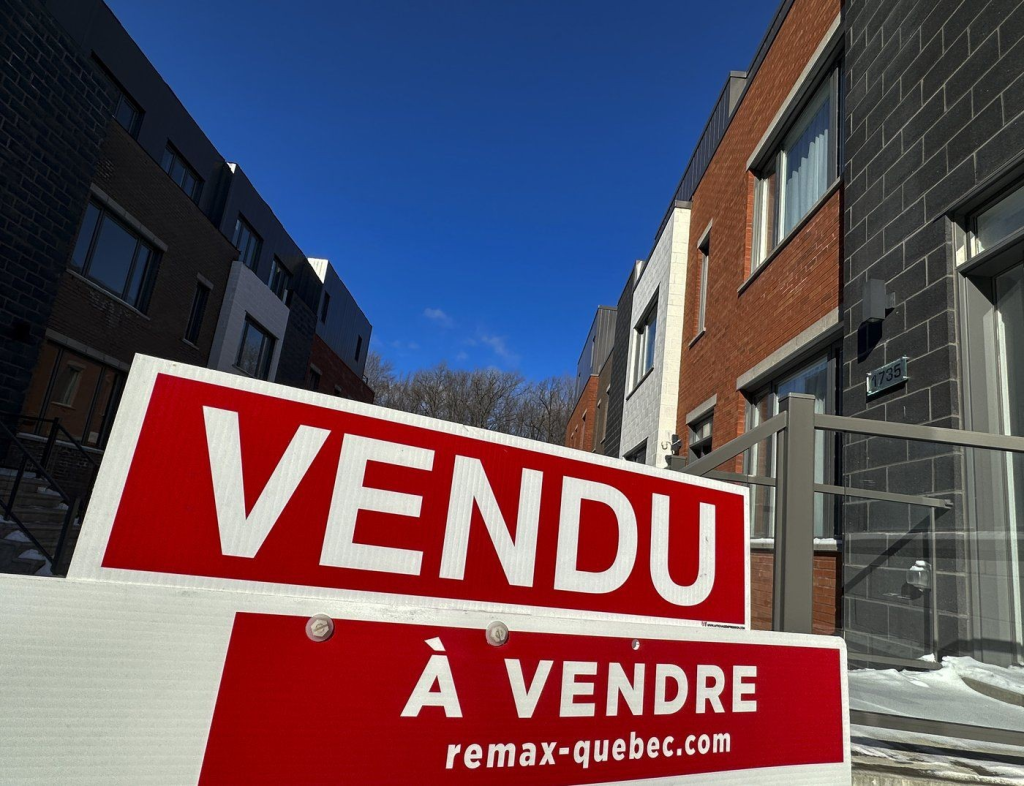
“For the moment, it’s not working. The housing that is being built is not making it more affordable for tenants because, on the contrary, it is contributing to an extremely rapid rise in surrounding rents.”
“There is a lot of them that are still seeking for a place to stay. It’s pretty high, considering that… even if the vacancy rate have increased, we still have the lack of affordability,” says Catherine Lussier FRAPRU coordinator.
“Considering that even if the vacancy rates has increased, we still have the lack of affordability.”
Some regions are struggling
The regional breakdown of SHQ data shows that some regions are suffering more than others. For example, the number of households looking for housing in Chaudière-Appalaches has almost quadrupled, from 35 on September 2, 2024, to 122 on the same date this year. In Bas-Saint-Laurent, it has almost doubled, from 140 to 223. The same is true in Centre-du-Québec, where, although the numbers are smaller, the number of households without housing has risen from 37 to 70.
In other regions, increases have also been observed in Saguenay-Lac-Saint-Jean, the Capitale-Nationale region, the Laurentians, and Montérégie.
In contrast, the number of households without housing is declining, sometimes significantly, in the regions of Lanaudière (154 in 2025 compared to 291 last year), Montréal (246 instead of 301), Outaouais (107 instead of 165), Mauricie (82 this year compared to 126 last year), Laval (82 compared to 99), Estrie (57 in 2025 compared to 80 in 2024), Abitibi-Témiscamingue (26 instead of 33), and Gaspésie-Îles-de-la-Madeleine (one rather than six).
But in any case, these figures represent people who no longer have a roof over their heads and who are struggling to find one in a ruthless market, even when moving to areas where prices were still affordable. “Several municipalities where rents were previously lower are now seeing rents skyrocket, and tenants who have to move are faced with these prices. They are ultimately unable to find housing. Many tenants are simply excluded,” laments Véronique Laflamme.

While reiterating FRAPRU’s goal to address the issue of affordability by demanding the C A Q government to build 150,000 social housing units over the next 15 years. She notes that rents are being pushed up in areas where new housing is being built – ultimately making it more challenging to access a home.
“We definitely think that we have enough resources to make this goal achievable. We represent more or less 10,000 units in Quebec every year to reach our goal over 15 years,” Lussier said.
Announcements: lots of talk, few doors
Yet we have been hearing announcements about housing construction from governments at all levels for several years now. “We are seeing a proliferation of announcements, whether it’s groundbreakings or inaugurations, and that’s good news,” acknowledges the FRAPRU spokesperson. The problem is that we are currently in catch-up mode for housing that in some cases was announced more than 10 years ago.”
Worse still, she says, “among these announcements, there are very few projects from the Quebec Affordable Housing Program (PHAQ) that the CAQ sold as a panacea after hastily ending the Accès logis program.”
While discussing this matter with Montrealers, many voiced their frustrations and shock to the large figure of those without housing.
I think it’s just disappointing that not a lot of people can afford housing anymore. I know especially students, but there’s also been a rise of homelessness. I think that’s just not really appreciated,” said Camille, a Montreal student.
“For the people that are living day to day and trying to pay rent, it’s difficult and we need help,” She added. “The crisis itself, I just think it’s sad that people not only can’t afford housing but just that the prices keep getting up and that honestly the rich keep getting richer.”
Another Montrealer, Oscar added that this has become a big problem in the city.
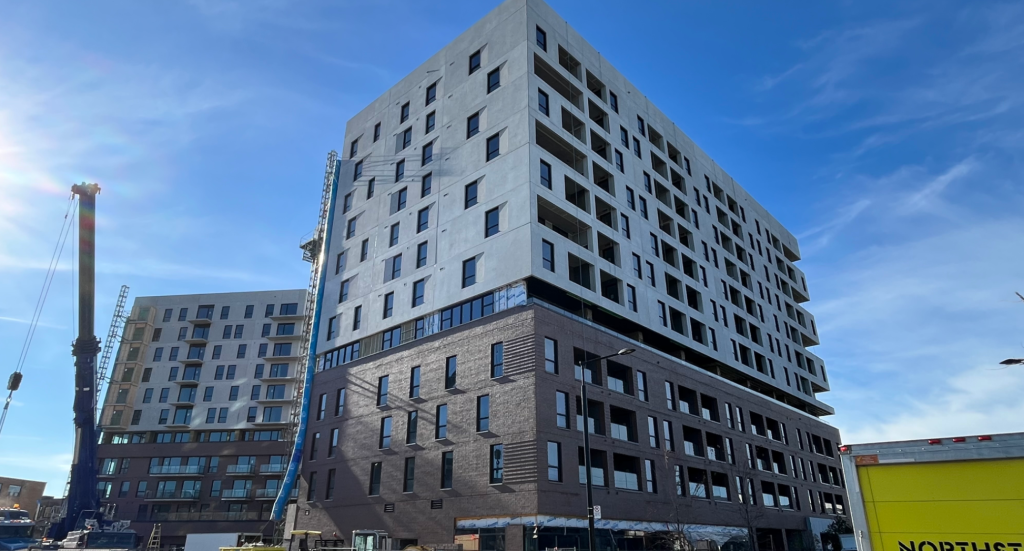
“I think we have a lot of people, and we don’t have a lot of apartments. We don’t have access to that So the people with money, it’s OK. But if you are a little bit difficult with that, it’s very complicated to get a good place,” he said.
The figures prove him right. SHQ data show that of the 6,130 housing units planned under the PHAQ program announced in 2020, only 459 are in operation, 1,903 are under construction, and the majority, 3,768, are in the development stage, meaning that not a single nail has been driven yet. However, the most pressing needs are in the areas of affordable, social, and community housing. New condo towers or even apartment buildings will certainly not provide housing for households that are currently homeless.
“We need the provincial and the federal government to actually invest in social housing for going towards that goal,” Lussier said. “[And] we think that we have the capacity to do it.”
–This report by La Presse Canadienne was translated by CityNews