Joyce’s Principle: 5 years later, progress for Indigenous healthcare still ‘scattered’
Posted September 25, 2025 2:53 pm.
Last Updated September 26, 2025 1:24 pm.
Five years since the death of Joyce Echaquan — the Atikamekw mother of seven who died at a Quebec hospital in Joliette, north of Montreal — who, moments before she passed, livestreamed as hospital staff threw racist and derogatory remarks at her.
Drafted by Atikamekw leaders after her death, Joyce’s Principle sets out recommendations to guarantee discrimination-free health care for Indigenous people, with the goal of enshrining it in Quebec law.
But half a decade later, the organization behind it says progress has been inconsistent across the province.
“Has there been improvements in healthcare delivery in Quebec? The answer is yes, but largely scattered because these improvements depend entirely on health care professionals who are personally and as a team committed to advancing cultural safety,” said Julia Dubé, the external relations manager of Joyce’s Principle.
“We expect the government of québec to recognize the existence of systemic racism in its own public institutions.”
The group adds that even what they call small legal steps — like Quebec’s Bill 32, which was implemented after Echaquan’s death and aims to guarantee Indigenous people medical care free of racism and bias — still fall short of their goals since the law is up to the interpretation of the individual healthcare provider.
“This means that hospitals will be deciding on their own whether their services are culturally safe, whether their services are free of racism,” said Dubé.
They argue Quebec needs a centralized mandate that would notably require all nurses in the province to undergo training in culturally safe care – especially in CEGEPs.
They add that it all starts with openly acknowledging systemic racism – something Premier Francois Legault has refused to do in the past.
“One of the key solutions here is training the future nurses so that they do not treat Indigenous people like joyce echekwann was treated,” said Dubé.
CityNews reached out to Quebec’s Ministry of Health and Ministry of Indigenous Services, who did not respond in time for our deadline.
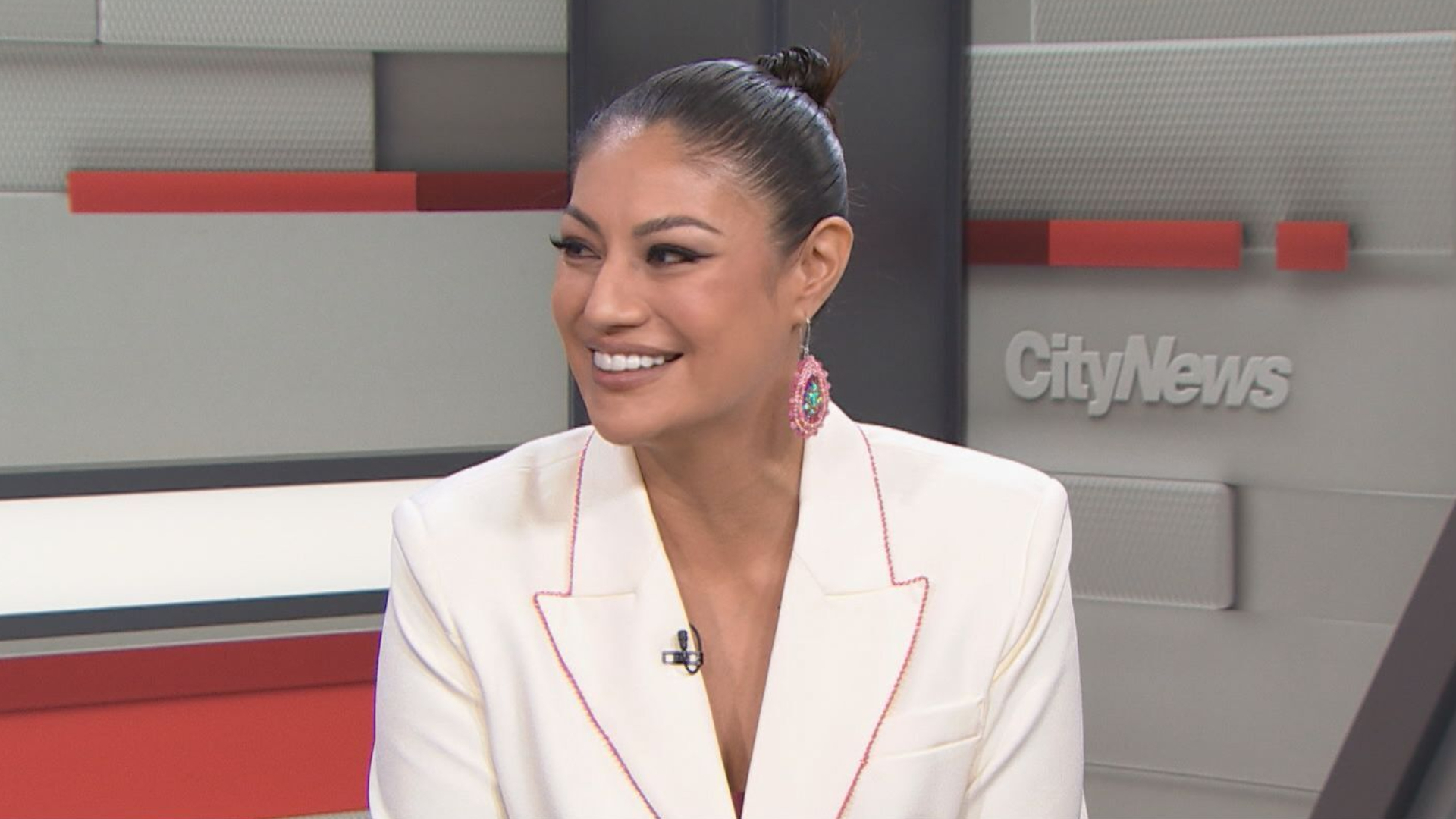
In a statement to CityNews delivered Thursday, federal Minister of Indigenous Services Mandy Gull-Masty called Echaquan’s passing “not just a tragedy” but “a truth,” and that Indigenous people have long been treated “with less care, less dignity, and less respect.”
The statement highlighted new investments in cultural competency and anti-racism training for health professionals, noting that “thousands of workers across health systems” have now taken part. Direct funding, including $2 million to the Atikamekw Nation and its council in Manawan, was provided to support the community’s work implementing Joyce’s Principle.
“We’re also investing $167.6 million over 5 years, starting in 2024–25, to support Indigenous-led models of care. In remote and isolated communities, this means building new health facilities, hiring more nurses, training more midwives,” the statement reads. “We are also supporting Indigenous health system navigators and patient advocates, and growing health supports. These services are guided by Indigenous values and Indigenous ways through an open and honest dialogue.”
Organizers behind Joyce’s Principle say the government must also respect Indigenous self-determination in health care delivery — which would mean co-governing services, placing indigenous leaders on hospital boards within their territories — while also ensuring concrete measures on-site, like interpreters for people who don’t speak French or English.
“Indigenous nations know the way to get there. We have indigenous healthcare culturally safe frameworks to implement. We have methodologies,” said Dubé. “We’re literally just waiting for an invitation to work with our allies and we can deliver.”