30 years later: Quebec’s 1995 referendum and the night that almost changed everything
Posted October 27, 2025 5:20 pm.
Last Updated October 27, 2025 5:21 pm.
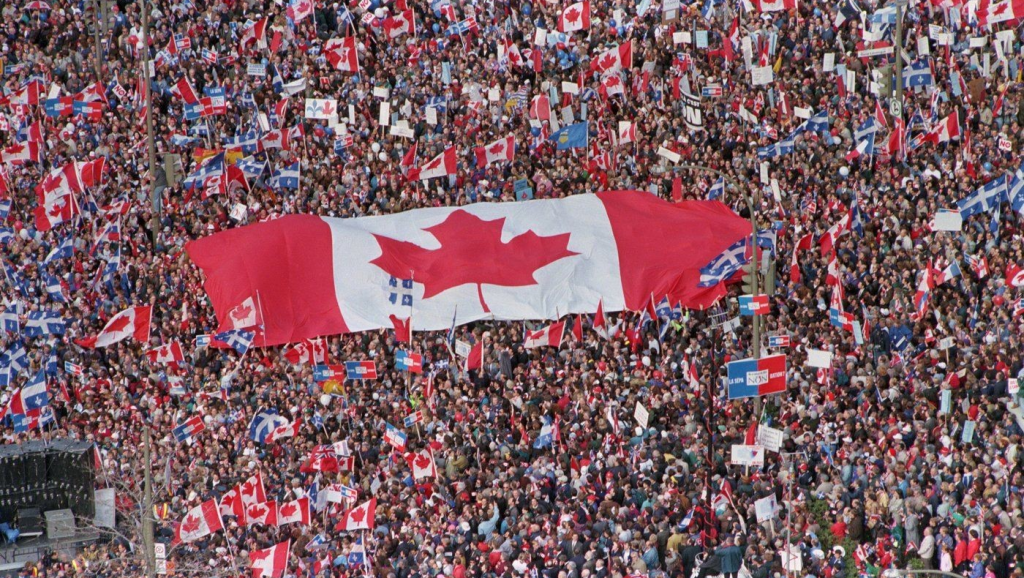
Thirty years after Quebec came within a fraction of a percentage point of leaving Canada, memories of the 1995 sovereignty referendum still run deep.
On Oct. 30, 1995, Quebecers voted 50.58 per cent to 49.42 per cent against independence, a razor-thin margin that kept the province in Canada and reshaped its political landscape for decades to come.
Voter turnout that day reached record levels as residents lined up at polling stations across Quebec.
“I’ve never seen such a turnout in an election before,” said one Montrealer speaking to CityNews, formerly CityPulse, outside a polling station in 1995. “To see a line this long shows how serious the issue is.”
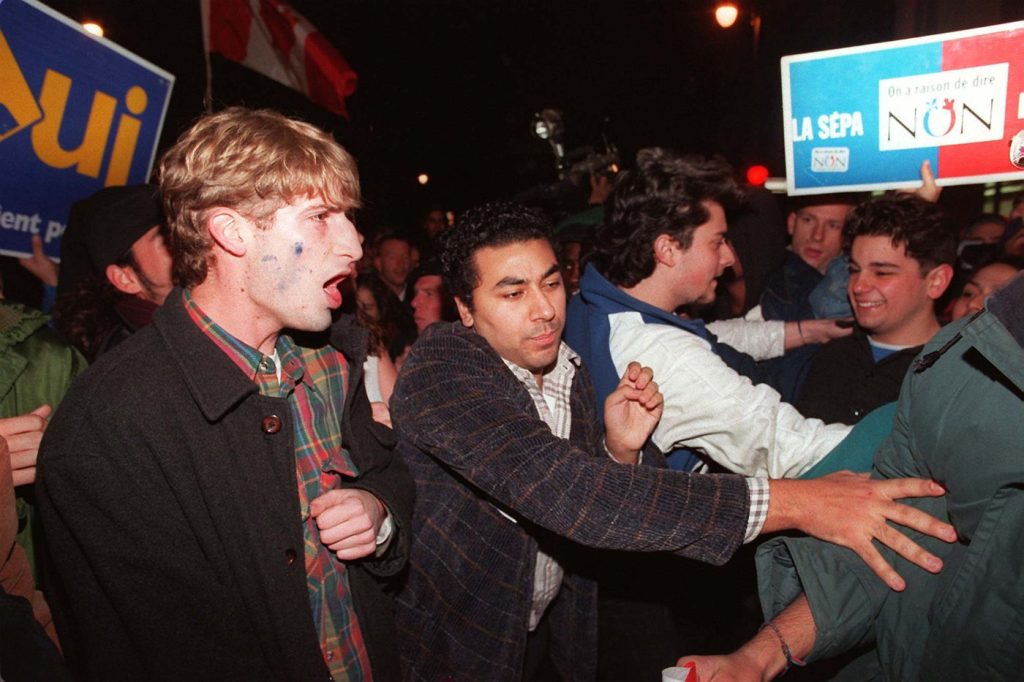
For many in the English-speaking community, the atmosphere leading up to the vote was full of uncertainty.
“It was a very tense time, especially for the Anglo community because we didn’t know what was going to happen,” recalled one Montrealer.
“I remember Jean Charest coming and whipping up the crowd. People were wearing Canadian flags, and one man was openly crying as the numbers went up for Quebec to separate. It was very emotional,” said political analyst Justine McIntyre, a former Montreal city councillor who had moved to Montreal just two months before the vote.
McIntyre said the wounds from that night “took some time to heal, and perhaps haven’t fully healed for some people.”
Political analyst Karim Boulos remembers that uncertainty too and the exodus it triggered.
“I remember the 1995 referendum because most of my childhood friends left,” he said. “Those who didn’t leave in 1980, sometime between ’93 and ’96, decided to go, to Vancouver, Toronto, Ottawa, seeking better opportunities in a less turbulent environment.”
Boulos said the uncertainty is what was most dangerous.
“If there was a decision, we’d deal with the ramifications. But it was the constant unknown,” he said. “Every federal prime minister since has recognized that Quebec is different. In many ways, Quebec achieved the spirit, if not the reality, of what it sought in 1980 and 1995.”
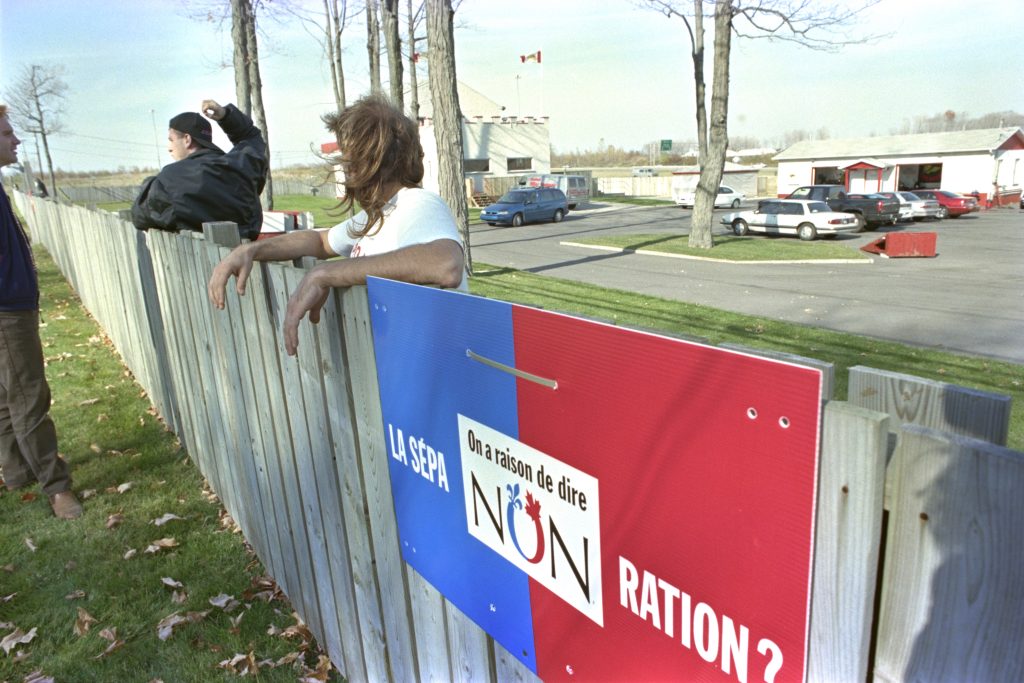
“The difficulty on the No side was to tell them, no, it’s not just a step toward negotiations,” said Giuliano D’Andrea, spokesperson for the Greater Quebec Movement, a think tank and advocacy group founded in the wake of the referendum.
“It’s kissing your country goodbye. And that was tough. It was divisive, it didn’t rebuild relationships. It just gave us constitutional fatigue. The good news is, 30 years later, we still have a country.”
Robert Libman, architect and former leader of the Equality Party, remembers watching the results that night.
“We were chewing on the results and nervously watching this blue Yes line creeping closer and closer to 50 per cent, and every so often dancing beyond it,” he said. “None of us expected that. The Yes momentum crystallized in the last few days. All federalists were caught off guard.”
Libman said the narrow victory for the No side was both a relief and a warning.
“That night, Jacques Parizeau blamed the loss on money and the ethnic vote, a moment that created a deep division between francophones and anglophones,” he said. “It took time for those scars to heal.”
He added that Quebec has benefited from staying in Canada.
“Quebec receives equalization and transfer payments from the federal government. One can only suspect Quebec would be much weaker had we continued down that path back then.”
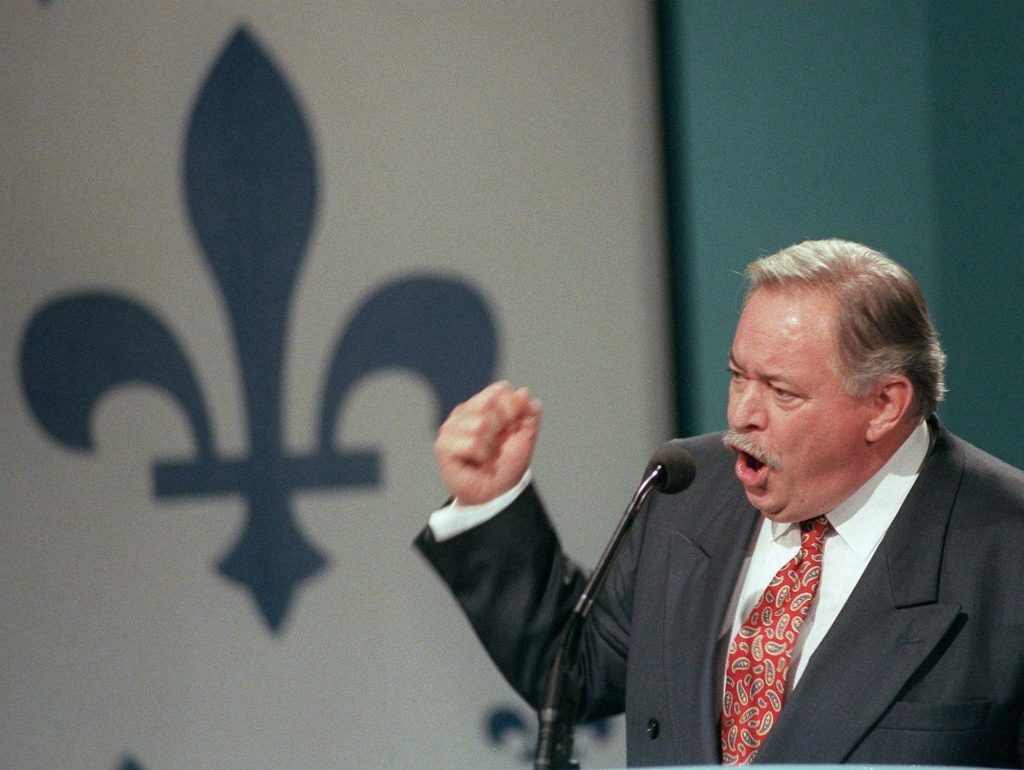
Still, Libman warns against complacency.
“We can’t ever assume the sovereignty movement is dead,” he said. “Polls today look similar to those before the 1995 vote. If federalist leaders are asleep at the switch again, we could end up reliving that same dramatic conclusion.”
For John Parisella, former chief of staff to Premier Robert Bourassa and a special adviser during the referendum, the campaign’s tone was markedly different from 1980.
“This 1995 referendum wasn’t conducted with the same optimism as the first,” he said. “People were more pessimistic. The sovereignists used that to say, ‘They don’t want to make a deal with us. We need a mandate to separate.’”
Parisella recalls being on a television panel that night before heading to the No committee’s headquarters.
“I was pretty confident we’d win, but not like in 1980 when it was 60–40. This time, it was 51–49,” he said. “If the referendum had been held a week earlier, I’d have been less optimistic.”
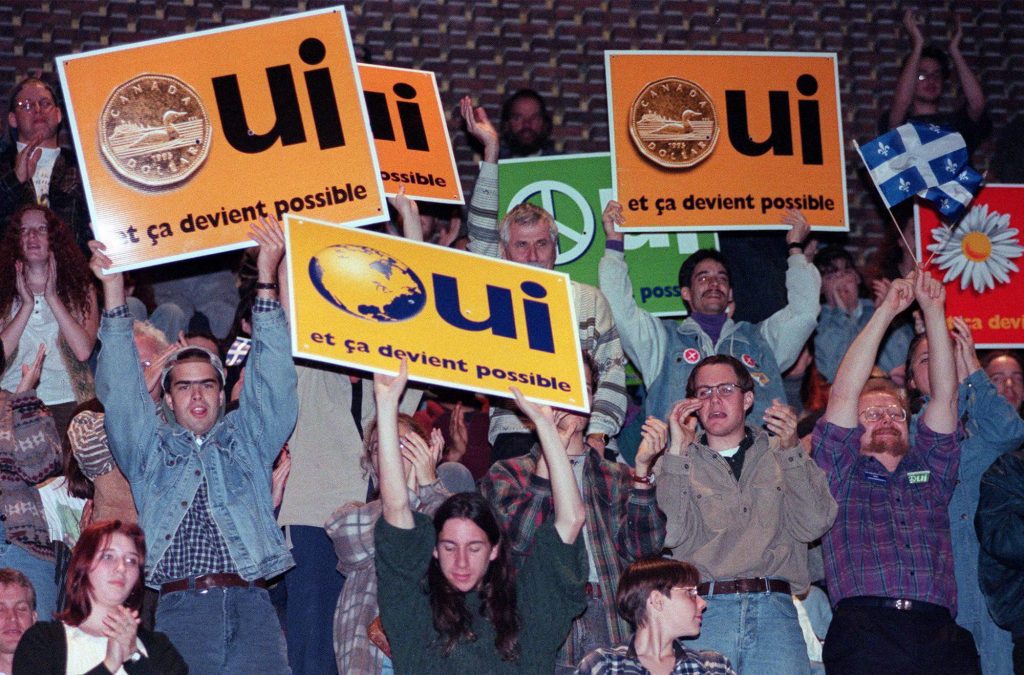
Parisella says Quebec has since found ways to assert its distinct identity within Canada.
“We may not have the ‘distinct society’ clause we were pushing for back then,” Parisella said, “but we have the ‘nation’ word. And we’ve managed to do things that are unique to Quebec without breaking up the country. We resolve things with the ballot, not the bullet.”
Thirty years later, Quebecers continue to debate what might have been and what still could be.