Canada’s largest 2S/LGBTQIA+ health conference comes to Montreal for first time

Posted November 20, 2025 11:02 pm.
Built on a theme of “convergence & emergence” – and after two decades of being hosted in Vancouver – the community-based research centre is finally coming to Montreal to host the 21st edition of what has become Canada’s largest 2S/LGBTQIA+ health conference.
“Every year there’s more and more people, and it’s the first time we’re doing this in Montreal this year as a part of our commitment to increasing our collaboration with francophone communities, wanting to get out there and have more engagement with these communities,” said Marie Geoffroy, associate director of research, CBRC.
With a three-day in-person format hosted at Le Centre Sheraton in downtown Montreal, the summit serves to bring together hundreds of researchers, advocates, and health-care providers to address and advance the health and wellbeing of queer, trans, and Two-Spirit communities nationwide.
“It’s really a space reserved for them to discuss issues that are important to them and how we can better integrate them into the research that we’re doing that’s by them and led by them and for them,” said Geoffroy.
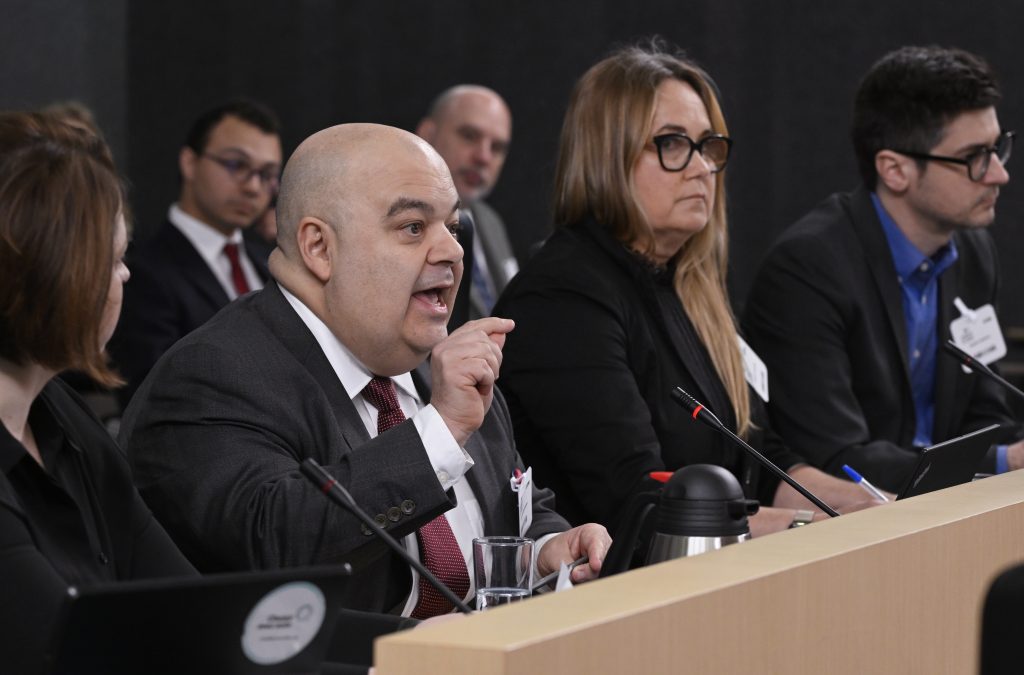
“Part of our goal here through the panel is to equip the participants in this conference with resources and tools so that they understand better what they can do in their fields and their institutions and their organizations to support the community and to support legal advocacy by sharing their research and their expertise to help us engage in this important legal work,” said Doug Judson, civil litigation lawyer & panel guest, CBRC.

To address what the CBRC is calling a rise in homophobia and transphobia, this year’s conference was expanded to include programming featuring panels, roundtables, networking events, and keynotes aimed at exploring key issues in queer and trans health, including HIV/AIDS, long-acting PrEP, legal and rural care challenges, advocacy, and community-led responses to anti-2S/LGBTQIA+ hate.
According to Judson, the conference which began at the culmination of Trans Awareness Week and on Transgender Day of Awareness, serves as a sobering reminder of the challenges the trans community still face today.
“Normally, when we think of a day of remembrance, we think of a day that happened long ago, a bad thing that happened a long time ago that’s in the rearview mirror, but the reality is that trans people continue to be one of the most marginalized and targeted groups for hostility and abuse and violence in Canada,” he said.
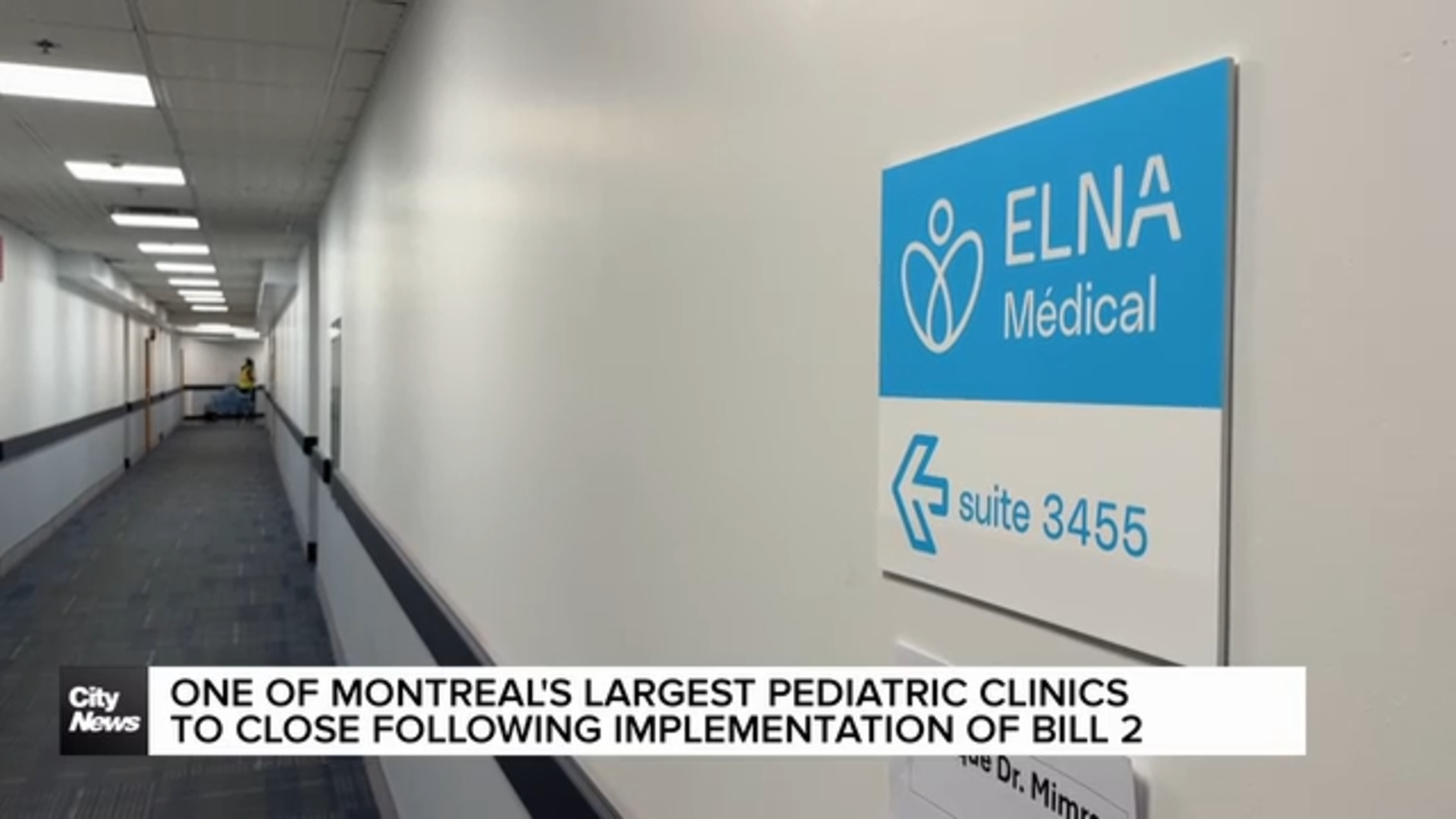
Just last month, the province of Quebec officially adopted into law Bill 2, threatening care for LGBTQ+, homeless and vulnerable populations, which reportedly has the potential to close at least two renowned clinics in Montreal and eight sexual clinics across Quebec in the new year.
And with Alberta’s government facing backlash for their recent and repeated use of the notwithstanding clause, this time to prevent courts from reviewing three previously passed laws restricting the rights of transgender and gender-diverse Albertans, Geoffroy attests it’s another move that directly targets and discriminates against the 2S/LGBTQIA+ community.
“We’re experiencing it, you know, south of the border, of course, but it’s happening up here in Canada as well,” said Geoffroy. “It’s happening in real time. Things are changing in Alberta right now that are very serious and have very serious impacts on people’s lives.”
“We are living in this perfect storm of media misinformation and political opportunity where people are doing things like rolling over the rights of trans people, using the notwithstanding clause, using anti-trans rhetoric for political gain. And I think it really calls on us as citizens to do more,” Judson added.
“You know queer and trans people are here or everywhere,” said Geoffroy. “We are individuals with rights and protected by the Charter and by different laws across the country. And we deserve the same amount of access to health and we deserve to have the same health and reduce inequities.”