Fifth suspected femicide in Quebec since the start of 2026
Posted January 27, 2026 5:28 pm.
Police are investigating Quebec’s fifth suspected femicide of the year, after a woman was found dead in Manawan nearly 250 kilometers north of Montreal.
Police were called to an apartment Sunday afternoon where they found the bodies of a 39-year-old woman and a 44 year-old man.
The Sûreté du Québec has now taken over the investigation, and said they believe the case involves domestic violence in what looks to be a murder- suicide.
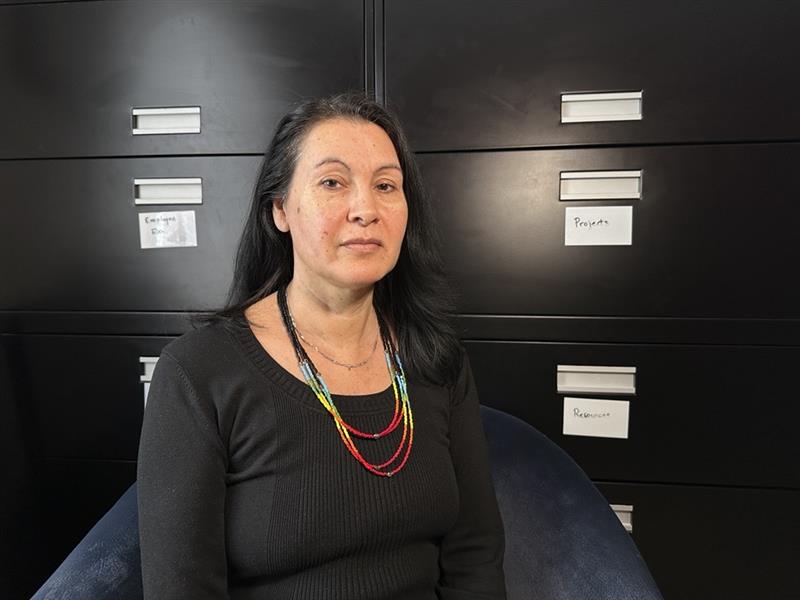
“It’s really atrocious that this is how the year is starting off, that our community is suffering and it hasn’t ended,” said Na’kuset, Executive Director for the Native Women’s Shelter Montreal.
Sunday’s death marks the fifth suspected femicide in Quebec this year and the second involving an Indigenous woman. January has yet to come to an end and Quebec has already recorded four femicides in 2026.
“This is a wake-up call to see how we can support the community,” said Na’kuset.
On New Year’s Day, Hochelaga-Maisonneuve, a 31-year-old woman, Tadjan’ah Desir, was allegedly pushed from a third-floor balcony by her former partner. She later died in hospital due to her injuries.

Just four days later, on Jan. 5, a 54-year-old woman, Mary Iqiquq Tukalak, was allegedly killed by her partner in the northern Quebec community of Puvirnituq. The man was later found dead in what is believed to be a murder-suicide, marking the first Indigenous woman killed this year.
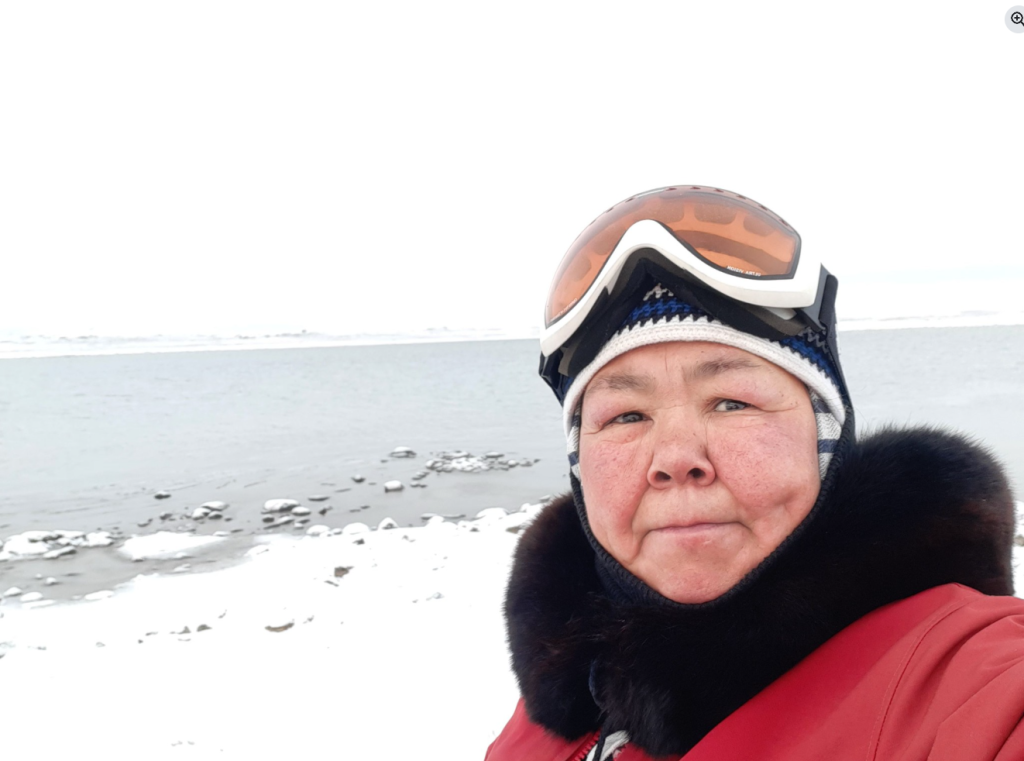
“You know it’s a systemic issue, right? And I think that Indigenous people suffer from systemic discrimination,” said Na’kuset. “It’s something that the government doesn’t acknowledge.
On Jan. 11 in Quebec City, the death of 44-year-old Susana Rocha Cruz was confirmed as a homicide after her body was recovered from the St. Lawrence River, nearly a week after she was reported missing. A suspect has since been arrested in connection with her death.

Following this discovery, a 40-year-old woman, Véronic Champagne, died in hospital on Jan. 18 after being seriously injured during an argument at a residence in Rougemont, in the Montérégie.

The total now rises to five woman killed in possible femicides before the end of January, a pace of more than one a week.
“We’ve seen increases in gender-raised violence over the last few years and also the increase in severity of that violence”, explained Kaitlin Geiger-Bardswich, Director of Communications for Women’s Shelters Canada.
Advocates say the most urgent need is more shelters and solutions to the housing crisis. In Manawan, where Sunday’s death occurred, there is no local shelter for Indigenous women. The nearest shelter available is believed to be in La Tuque, nearly five hours away.
“If we can get the affordability housing crisis under control, that means more women can sort of cycle through shelters faster because they’re able to find safe affordable housing outside of the shelter,” said Geiger-Bardswich.
According to Na’kuset, funding cuts to Indigenous services Canada have also been growing, making it difficult to secure shelters. “The shelters that are on reserve get less funding than those off reserve,” she added.
Advocates warn that the growing number of cases in just the first weeks of 2026 points to a broader failure to protect women and prevent gender-based violence.
“This is so hard. We do everything that we can to try and make change, but it’s not just within the community that has to make change, it also has to be the community at large,” said Na’kuset.
In January, Women’s Shelter Canada (WSC), launched a national campaign, Refer Her, highlighting domestic violence in women and how this affects their work, performance, and economic stability by extension.
Research cited by the organization revealed that one in three workers in Canada have experienced some form of domestic violence in their lifetime, with 80 per cent indicating that their work had been negatively impacted.
The new research also revealed that one-third of people working in Canada have heard from a colleague about their experience with domestic violence. “But in the same study, only 35 per cent of respondents said that they felt employers took the issue seriously,” said Geiger-Bardswich.
The Refer Her campaign promotes the organization’s Domestic Violence and Your Workplace training, funded by the Department of Woman and Gender Equality Canada. This free training encourages employers to recognize domestic violence as a workplace safety issue, respond appropriately, and fulfill their legal and moral obligations.
Advocates urge that when systems, including workplaces, fail to intervene, the risks escalate along a continuum of violence.
If you need help, reach out. Call SOS violence conjugale 24/7 at 1-800-363-9010.
If you fear you may become violent towards your partner, call PRO-GAM for an appointment at 514-270-8462.