Advancing therapies for rare bone diseases in Montreal
Posted January 29, 2026 12:55 pm.
A new biopharmaceutical company is devoted to developing therapies for rare bone diseases in Montreal.
Ocythera was launched earlier this month by adMare BioInnovations, one of Quebec’s largest pharmaceutical incubators.
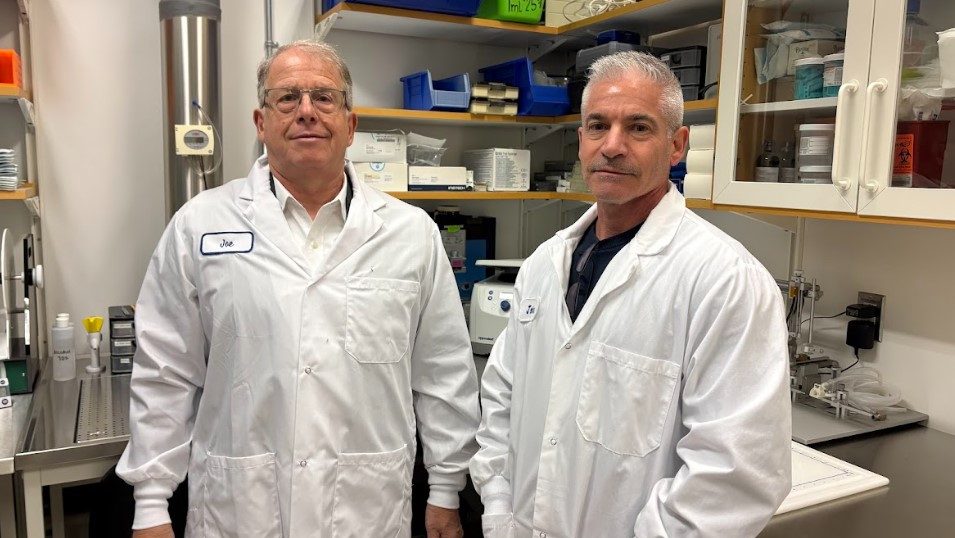
It’s all based on research by Dr. Martin Petkovich at Queen’s University. Petkovich has been collaborating with the now CEO of Ocythera, Dr. Joseph Mancini, since 2021.
“It’s always exciting to look at new diseases and see that you can have an impact,” said Mancini, who is also vice-president at adMare BioInnovations. “It really changes someone’s life.”
Patients living with rare bone disorders have limited treatment options. The pharmaceutical company says Ocythera is offering “non-retinoid therapy” with improved safety and efficacy.
The two diseases Ocythera is focusing on are hereditary multiple osteochondromas (HMO) and fibrodysplasia ossificans progressiva (FOP).
HMO is a rare genetic disorder characterized by multiple non-cancerous bone tumours covered by cartilage; they are frequently found around the growing ends of the long bones in legs, arms, fingers, and toes. The cartilage usually continues to grow until shortly after puberty and may lead to bone deformities, skeletal abnormalities, short stature, nerve compression, and reduced range of motion.
FOP is a rare genetic connective tissue disorder. It’s distinguished by the abnormal development of bone in body areas where it is not normally present, like in the ligaments, tendons, and skeletal muscles. This disorder causes stiffness, limited movement, and eventual fusion of affected joints.

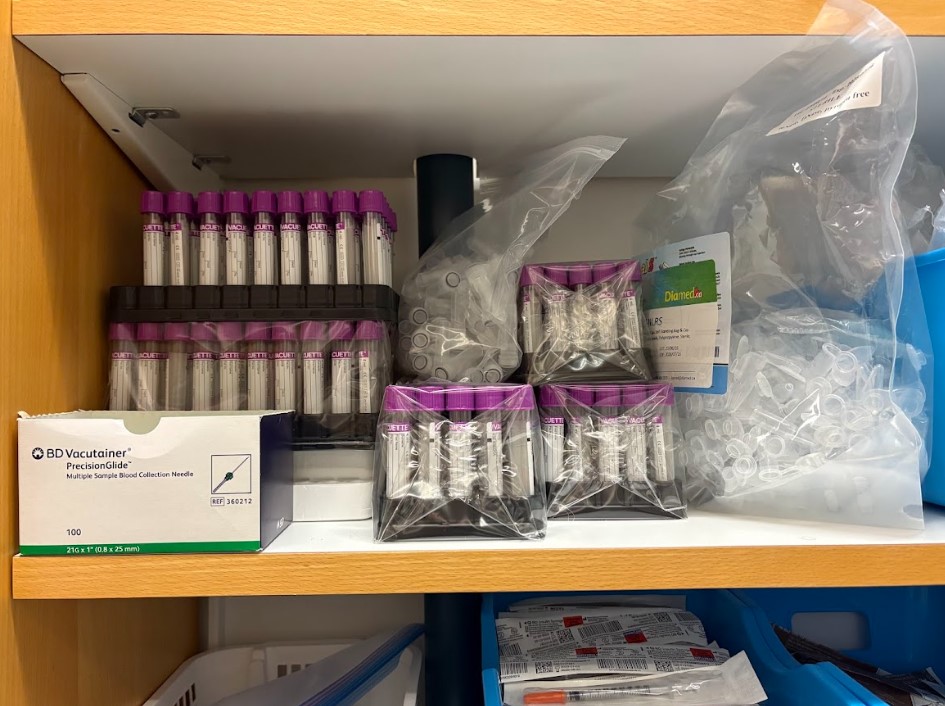
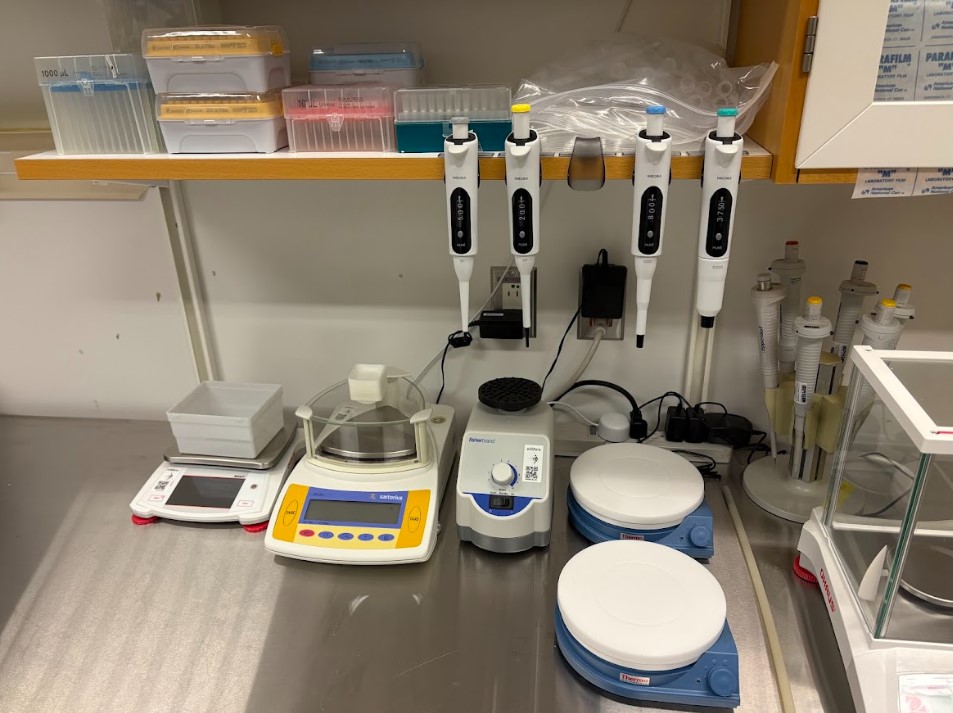
Ocythera says in its pre-clinical mouse model of FOP, it was able to stop the disease up to 90 per cent. The company is currently testing the HMO model’s success rate.
“We see very few safety issues,” Mancini said. “So now, we’re just optimizing to develop a clinical compound ready for human testing, hopefully in a year-and-a-half to two years.”
HMO affects one in 50,000 people worldwide, according to Mancini, while FOP affects one in a million people.
“We’re trying as hard as we can to move this as quickly as possible, and I think there is an exciting future in the next five, six years that there will be a treatment out there for these patients,” the Ocythera CEO said.
Overall, in Quebec, rare diseases can affect up to eight per cent of the population.