Double duty: Inside the life of a Montreal army lieutenant and specialized nurse practitioner
Posted February 1, 2026 6:16 pm.
Last Updated February 1, 2026 6:25 pm.
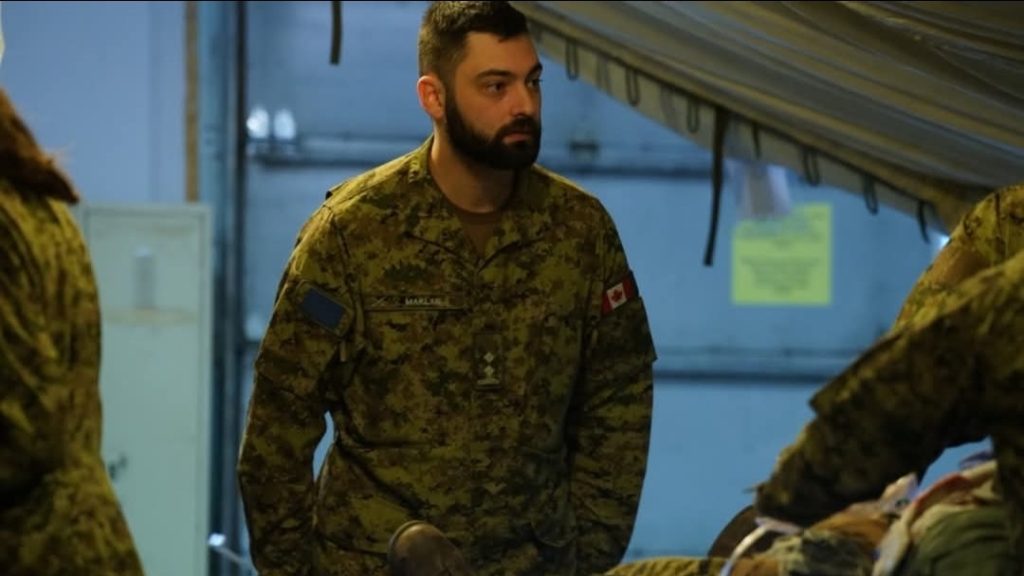
If he’s not in army fatigues working for the Canadian Armed Forces, he’s in the adult intensive care unit at Royal Victoria Hospital in Montreal.
Peter Maklan is both an army lieutenant and a specialized nurse practitioner (SNP) – a profession which just celebrated 20 years after a Quebec legislation came into effect in November 2005 due to the changing roles of nurses and perceived physician shortages.
SNPs are health care professionals who can provide advanced medical and nursing care. Their mandate is to meet the patient, assess them, place a medical diagnosis, set up a treatment plan and prescribe medications or diagnostic treatments.
“The nice thing about the nurse practitioner world is that we bring our nursing experience forward, and we try as much as possible to keep that holistic part of nursing,” says Maklan. “We try to bring that forward as much as we can.”
When the profession was first introduced, the SNP position was limited to certain specialties. Since then, SNP’s can be found working in five specialties:
-Primary care (public SNP clinic, family medicine group, medical clinic, CLSC, CHSLD, home support, etc.)
-Mental health
-Pediatrics
-Adult care
-Neonatology
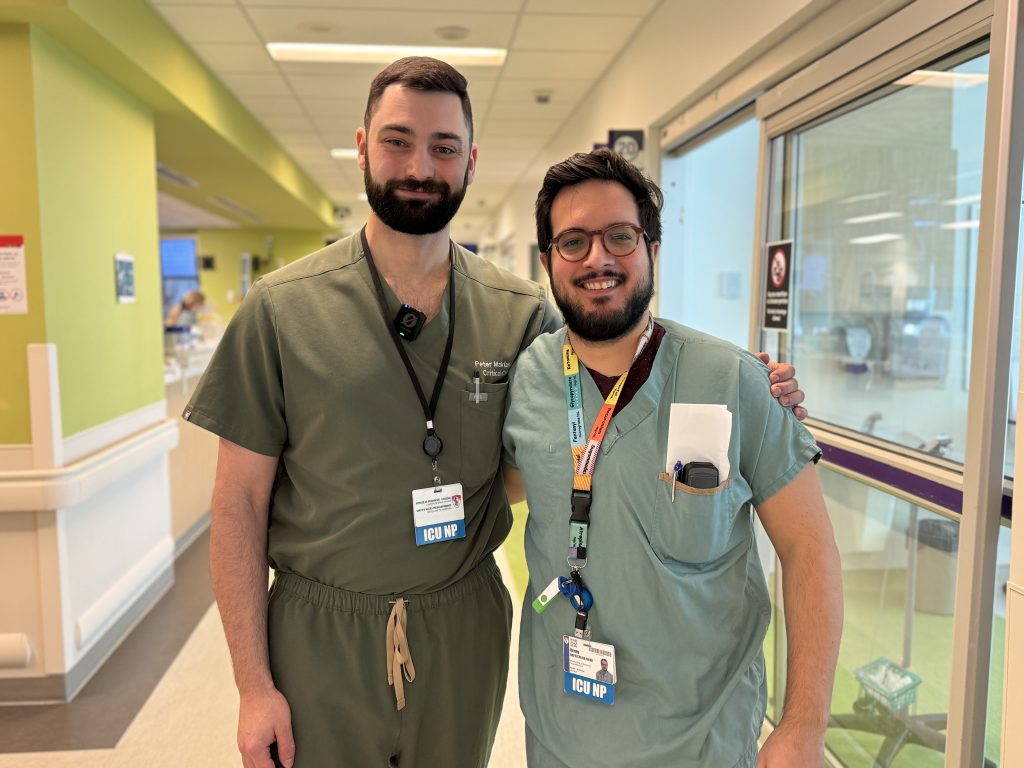
Once he fell in love with the profession and set his sights on working in the ICU, Maklan says he didn’t hesitate to pursue the work experience and additional education necessary to become one.
To earn the additional title of a nurse practitioner, Maklan says he applied to study for an additional bachelor’s degree from McGill University and subsequently got a job in internal medicine at the Jewish General Hospital where he earned the required two of years of work experience required by the Quebec government. As a final step in the process, Maklan describes how he went on to earn his master’s degree at Université de Montréal (UdeM).
“Why don’t they just go to med school? You know, that’s a question which people have asked me, patients have asked me, families have asked me,,” Maklan said while laughing.
“It’s really the nursing background that I think is the biggest thing and that I love the most about the profession,” he went on to say. An approach that’s unique from that of a physician, which Maklan says allows him to spend more time at the bedside of patients and in the end is the reason he chose not to become a physician.
But, for Maklan being a nurse means more than treating their ailments – it’s about caring for patients and their families.
“As a (registered nurse) in the ICU, you’re really at the bedside of the patient. You’re sitting outside the room, assessing the patient, looking at their vitals, keeping track of everything, administering the life-saving medications, all the drips and the things that are keeping our patients going. You’re in charge of that. It’s extraordinarily rewarding as a job. It’s great. You’re caring for them. You’re caring for the families,” Maklan says.

Maklan’s typical day as an SNP starts out with getting briefed by night residents on patients’ conditions, responding to other units’ requests for help and overseeing his patients in the ICU.
But that’s not all Maklan’s doing – he’s also rejoined the Canadian Armed Forces.
After a four-year hiatus, Maklan joined as a Platoon Commander with the second platoon of the medical company, 51st Field Ambulance, where he’ll use his knowledge as an SNP to help train recruits become medics and possibly go on humanitarian missions in his role as a nurse practitioner.
“The skills that I acquire here I’m able to bring and help serve the Canadian community,” Maklan says.
“So I think it’s a symbiotic relationship and I’ve been very fortunate that both have been able to work with each other.”