Quebec French-language music platform sees over 220,000 users in first year
Posted February 1, 2026 12:41 pm.
The MUSIQC platform, dedicated mainly to French-language music from Quebec and elsewhere, has attracted tens of thousands of users since its launch nearly a year ago. This enthusiasm proves that the public wants to consume content in French, according to the creator of this digital space.
The Société professionnelle des auteurs, compositeurs du Québec et des artistes entrepreneurs (SPACQ-AE) has released statistics on MUSIQC’s traffic and content to mark its first anniversary.
In almost 12 months, the platform has had nearly 225,000 users, 65 per cent of whom have visited the page on a recurring basis. It also recorded 540,000 visits over approximately one year.
“We were very happy to see how quickly it caught on. It’s a truly fantastic adoption rate. We didn’t expect that,” said SPACQ-AE Executive Director Ariane Charbonneau in an interview.
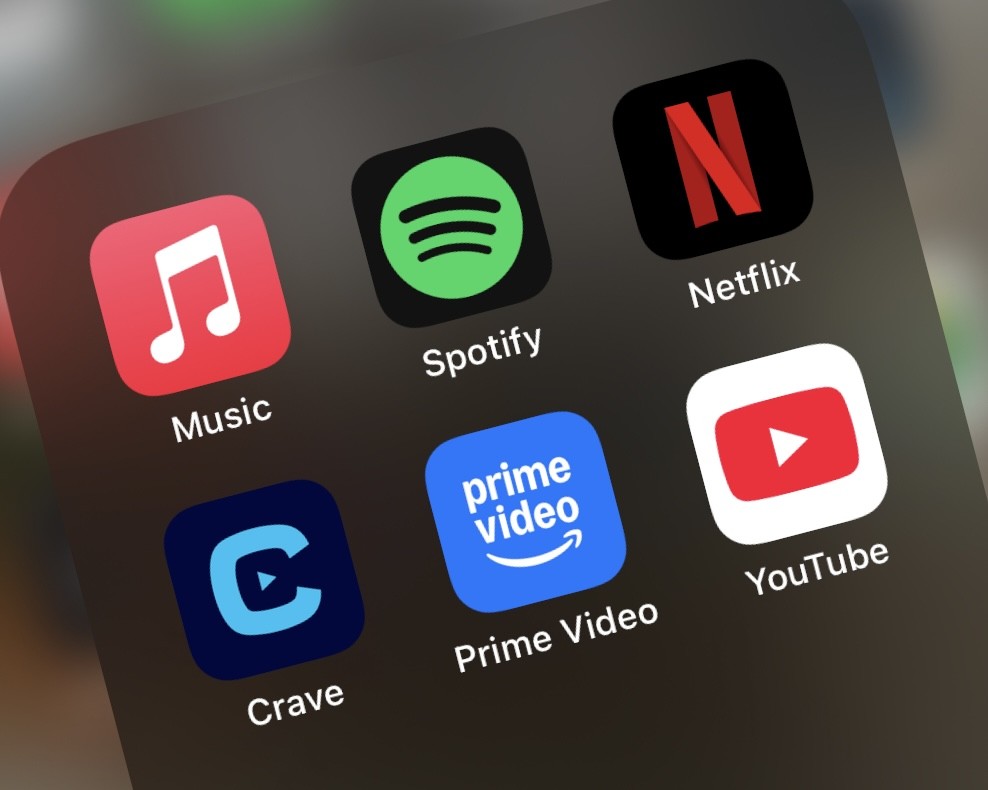
The Quebec-based app, which is free to access, is not intended to bypass major online music players such as Spotify and YouTube Music. In fact, it relies on their content. MUSIQC seeks to act as a storefront, Charbonneau explains.
“It’s like a store where we showcase products that would otherwise have ended up in the back room next to the toilets, never to be seen,” she says.
On streaming platforms, Quebec music struggles to compete with predominantly English-language content.
Charbonneau cites figures from the Observatoire de la culture et des communications: of the 10,000 most listened-to songs in Quebec in 2023, nearly 5 per cent were French-language Quebec music.
“There is clearly a problem” when you consider that around 22 per cent of the Canadian population is French-speaking, says Charbonneau. She points out that the issue is not limited to algorithms, but also to promotion, which is “lacking.”
On MUSIQC, with just a few clicks, the public has access to a vast selection of French-language content without having to create an account. Once users have chosen their playlist, they can start listening and will be transferred to the previously selected platform.
MUSIQC now also offers integrated listening, allowing users to stay on the platform without switching to another page. The services accessible from MUSIQC are Apple, Deezer, Qobuz, Amazon, Spotify, YouTube, and Tidal.
A favorable context for local content
According to Charbonneau, MUSIQC “has become part of an important political context.”
“I think that, like our dear neighbors to the south, Quebecers, Francophones, and Canadians in general want to consume local products, products from here. And this desire also extends to music,” she argues.
Attendance figures also show “that there is a demand to listen to our content, both at home and internationally,” Charbonneau points out.
Users come mainly from Quebec and Canada, but also, to a lesser extent, from the United States, France, Germany, and Belgium, says the CEO of SPACQ-AE.
“I think we need to stop talking about discoverability. We need to take action. We need to encourage collective promotion initiatives. (…) There’s nothing sadder for an artist than to create music that no one listens to and that ends up gathering dust in a drawer,” says Charbonneau.
At this point, it’s difficult to know what effect MUSIQC has had on the thousands of artists on the platform.
But since the project was launched, some of them have said they’ve seen “an increase in plays on their platforms” or “noticed a difference,” says Charbonneau.
This year, SPACQ-AE wants to explore this aspect further by asking a sample of artists about how their listening habits have changed before and after the launch of the platform.
MUSIQC also includes music by Indigenous artists, in Creole, and instrumental music.
Revenue and international development
Going forward, the SPACQ-AE also wants to diversify its revenue streams and secure longer-term financial partners to ensure MUSIQC’s development in the coming years.
The project currently relies on federal and Quebec funding, but these are non-recurring, Charbonneau points out.
SPACQ-AE also wants to continue developing the platform internationally. Last fall, it launched MUSIQC.FR in France.
According to Charbonneau, the business model “has very, very, very strong export potential.” “The idea is really to build bridges with other French-speaking scenes and strengthen the circulation of works beyond borders,” she explains.
In addition to France, discussions have begun with partners in Belgium and Africa, according to SPACQ-AE.
–This report by La Presse Canadienne was translated by CityNews