Montreal-based Whale Seeker receives another UNESCO award
Posted February 11, 2026 8:11 pm.
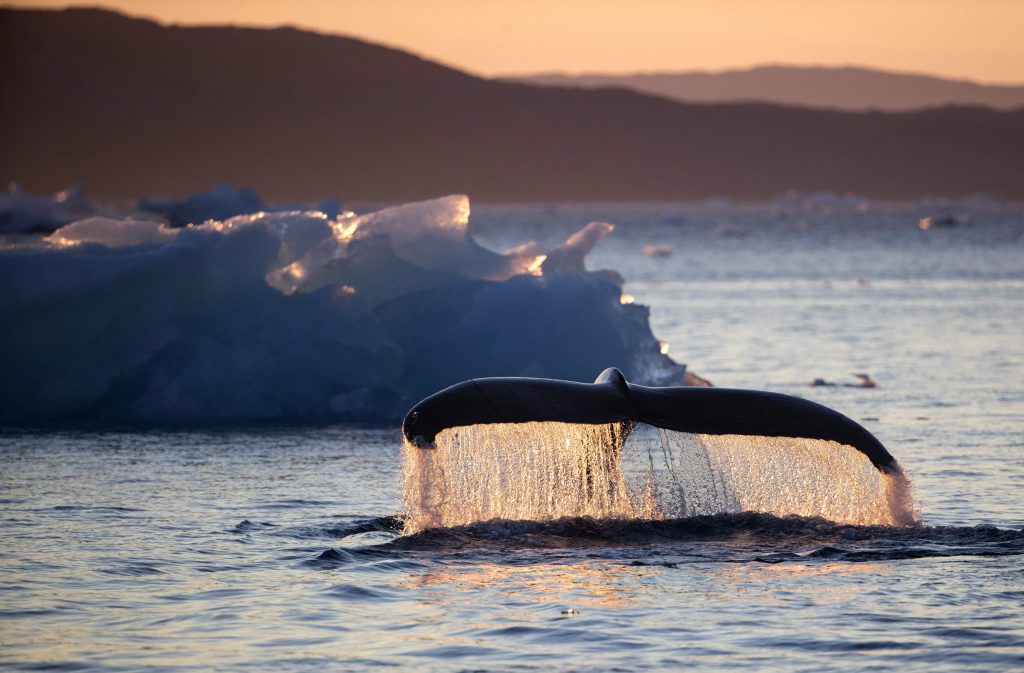
A Montreal company has earned a spot, for the second time, on United Nations Educational, Scientific and Cultural Organization’s (UNESCO) list of the world’s 100 best innovations in artificial intelligence (AI). Both awards highlight the use of AI to protect marine mammals.
The UNESCO International Research Center on Artificial Intelligence (IRCAI) unveiled its “Top 100 2025” on Tuesday, and Whale Seeker is on the list.
“We are very proud” because we aim to use “artificial intelligence with human expertise” in a “responsible and ethical” way, while “protecting marine mammals,” said Whale Seeker founder Emily Charry Tissier in an interview with The Canadian Press.
Her company has created a tool called Cetus that combines AI and satellite imagery to detect and classify marine mammals in vast and isolated ocean regions.
“The world is big,” and “satellite images allow us to keep an eye on the ocean in places that are much more difficult to explore, such as the Arctic, for example,” explained Tissier.
Whale Seeker is collaborating with Fisheries and Oceans Canada and the World Wildlife Fund (WWF) on a new project that aims to better understand when and where bowhead whales begin their migration in the Arctic.
The information will then enable authorities to manage maritime traffic and prevent collisions between ships and cetaceans, which are often fatal.
Two technologies and two UNESCO recognitions
This is the second time Whale Seeker has received recognition from UNESCO.
In 2023, the company was included on the same list of the world’s best AI projects, but for a different technology called Möbius.
This technology also analyzes aerial images to detect marine mammals, but these images are taken by drones or aircraft rather than satellites, as is the case with Cetus.
Both technologies can help the maritime industry avoid collisions with cetaceans, more accurately assess the need to close certain fishing areas, and generally reduce the risks posed by human activities to whales.
–This report by La Presse Canadienne was translated by CityNews