Residents concerned with sex worker support group’s planned relocation to Montreal’s Chinatown
Posted February 18, 2026 5:29 pm.
Last Updated February 18, 2026 6:11 pm.
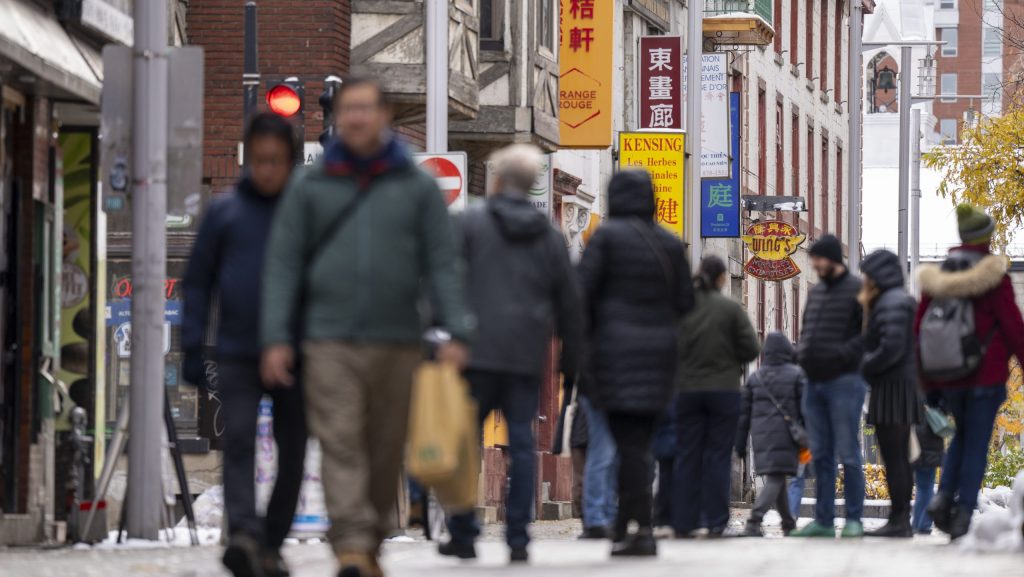
A planned move by sex worker support organization Stella has sparked concern among some Chinatown residents, who say they weren’t consulted.
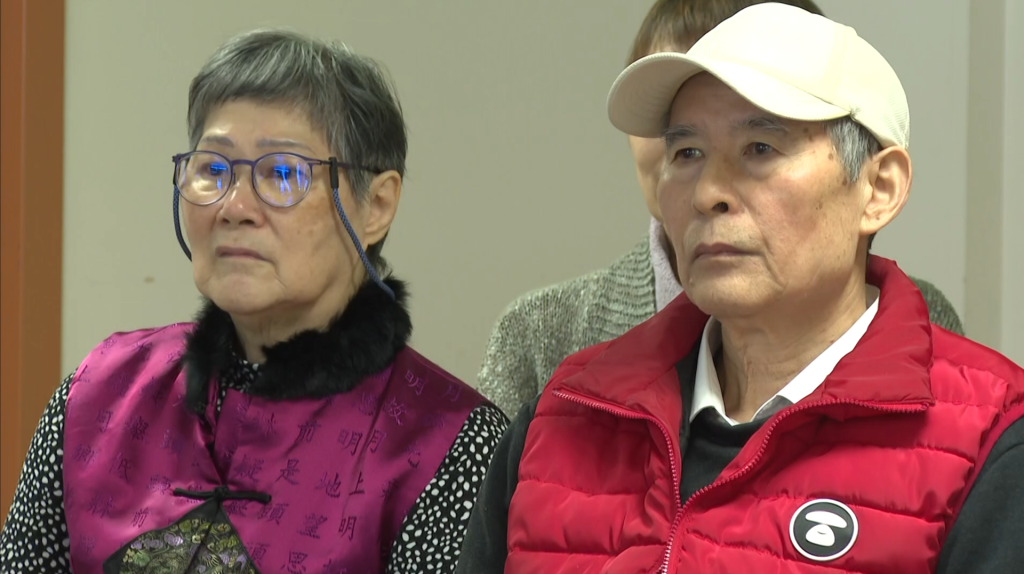
Chinatown’s Suzanne Felx says the lack of consultation shows a “lack of respect” on the part of the city, “especially Chinese residents.”
“It’s not because we don’t like Stella,” Felx said. “But there must be another place in Montreal where they can offer their services. Why again in Chinatown?”
Stella says the space would mainly be used as an office for staff and a place to offer support services to sex workers.
“Stella has been working in this neighbourhood for over 30 years,” said Stella’s executive director Sandra Wesley.
“We’ve been involved in this area, so we’re not new.”
The group now worries a city-imposed delay could jeopardize its purchase of the building.
“For us it does pose a pretty big problem because we have a seller who was very patient and very generous to come into a contract with us with all the delays that came with this approval from the city,” Wesley told CityNews. “It took many months. We’ve been in process since November. It was approved in December at the residence committee and it had to be approved now in February.
“So there now might be an opportunity for the seller to change his mind and cancel the transaction. So for us, that’s very stressful.”
Residents say the issue is less about Stella specifically, and more about what they describe as an uneven concentration of social services in Chinatown.
“It will change the colour of the street. It will change the atmosphere of the street,” said Chinatown resident Qing Shui Sun.
Stella is currently based in Montreal’s Hochelaga neighbourhood. In December, the organization got the green light from the city’s urban planning advisory committee to relocate its head office to a building on Hôtel-de-Ville Avenue.
But at a Ville-Marie borough council meeting last week, the new administration postponed final approval for a month.
“What we want to ensure is that the residents who live around the project you have been working on for so long welcome you in a positive way,” said Montreal Mayor Soraya Martinez Ferrada.
In a statement to CityNews, Ville-Marie borough council councillor Leslie Roberts said: “Stella is following the usual regulatory process for the development of its new headquarter. Since a residential building will be used as offices, the organization must comply with the conditional use requirements. We understand the fatigue linked to social issues experienced by residents of Chinatown. That is why we have decided to take the time to clearly explain the project to residents.”
‘We’re not a shelter’
Stella says it understands concerns from residents but insists it is not the type of organization they fear.
“We’re not an organization that provides any services, such as supervised injection, or we don’t provide any housing whatsoever. And we’re not a shelter,” Wesley explained.
The group provides one-on-one counselling for sex workers, workshops and gives out supplies like condoms and menstrual products.
It also hosts small group activities like book clubs and movie nights aimed at reducing isolation.
“This afternoon we have a workshop on income tax and how to prepare an income tax return. So we do those types of activities,” Wesley said.
Apart from staff, Stella says only a small number of people will access their services on-site.
“There’s really no risk whatsoever that we would be bringing an influx of people to the neighbourhood,” said Wesley. “Especially not sex workers to practise sex work in the neighbourhood.”
Still, some residents say this is about a bigger picture, saying they want to be properly consulted before decisions are made.
“But I would like them to be elsewhere, that organizations offer care elsewhere,” Felx said.
“If there are too many services to be mixed in our neighbourhood, it will aggravate the security and the security of the neighbourhood,” added Shui Sun.