Emergency services prepare as freezing rain storm moves into Montreal region
Posted March 11, 2026 2:25 pm.
Last Updated March 11, 2026 5:27 pm.
After two days of bright, beautiful weather, Montreal emergency services say they’re bracing for impact in anticipation for a plot twist in the weather.
Freezing rain is falling in the south, while northern regions are facing “dangerous winter conditions.”
After a few episodes of intermittent rain, a “band of freezing rain” will cross the southwestern part of the province in the late afternoon and early evening on Wednesday, Environment Canada meteorologist Giselle Dhookie told The Canadian Press.
“But it’s really the end of the weather event,” overnight, “that will create problems,” the meteorologist added.
For Greater Montreal, Environment Canada said late Wednesday afternoon that it was expecting the region to receive a total of 20 to 30 millimetres of freezing rain, with precipitation expected through the night.
With the amount of precipitation that will have fallen and accumulated, “trees will start to fall and hit power lines, and there will be power outages” at the same time that “temperatures will drop,” she added.
First responders prepared
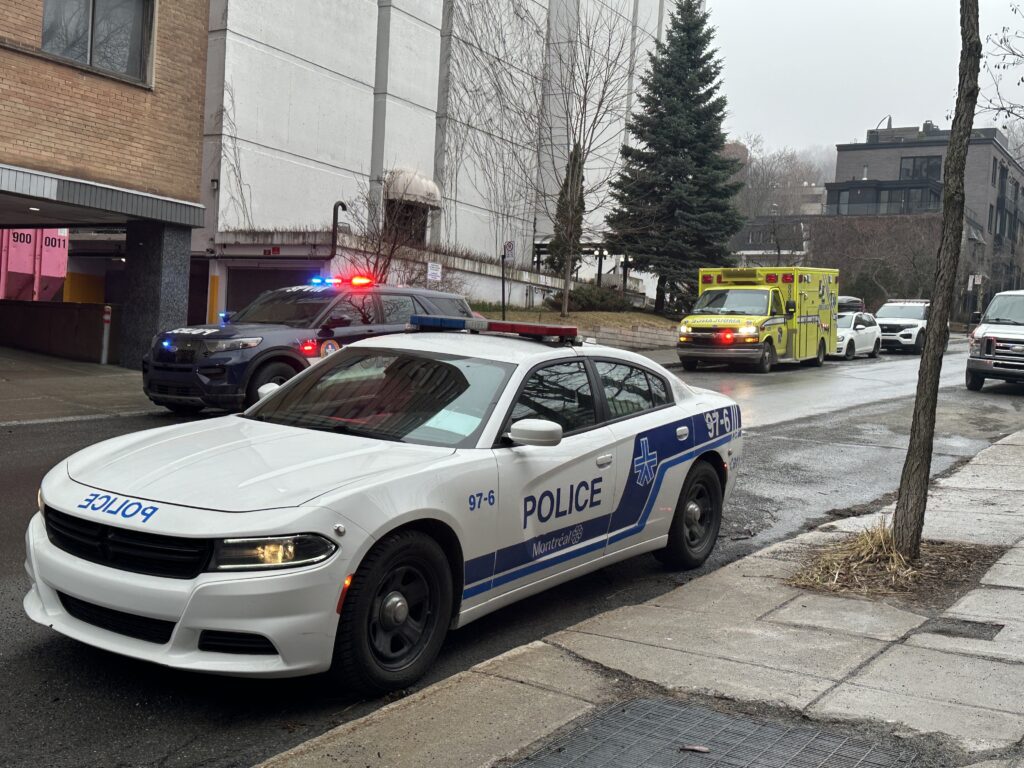
As freezing rain moves into the region, first responders across the city warn that the storm could bring a spike in calls over the coming days. They’re advising residents to stay safe in order to ensure services don’t get overwhelmed.
“We’re expecting a significant increase in the calls, specifically for those branches falling on wires, either creating sparks, creating fires,” said Chris Ross, president of the Montreal Firefighters Association.
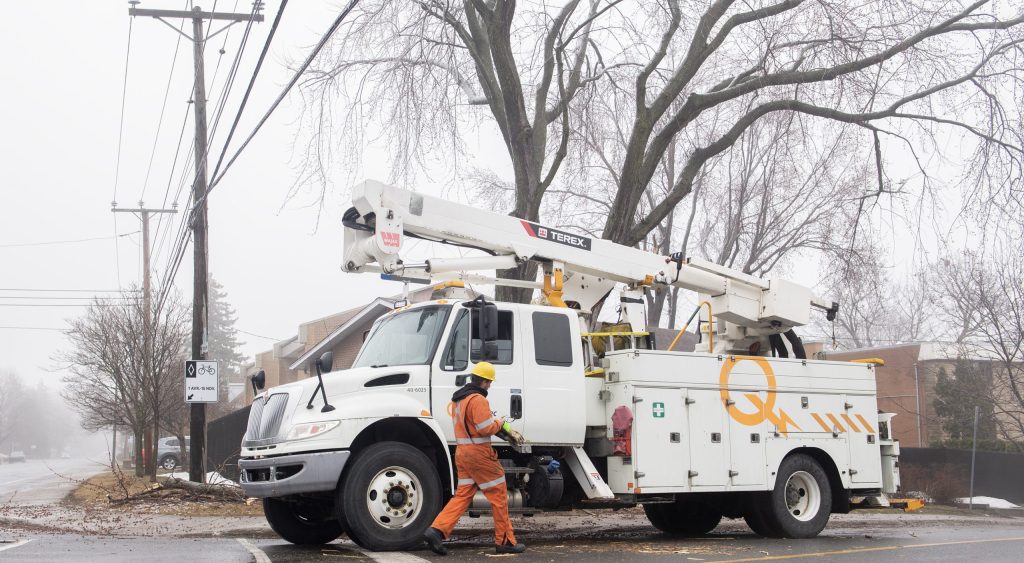
Hydro-Québec told CityNews that crews are already on standby across the province.
“We’re making sure that we’re having all the crews ready to hit the ground as soon as they’re needed,” said Cendrix Bouchard, spokesperson for Hydro-Québec. “That means 550 crews, 1,100 people throughout the province.”
Over 51,000 addresses were without electricity in the province close to 5 p.m., with Lanaudière and Capitale-Nationale regions taking the worst hit.
The utility said preparations made since the major ice storm in 2023 could help reduce the impact of outages this time around.
Last year, Hydro-Québec said it spent about $150 million trimming trees near power lines, cutting tens of thousands of branches and trees to reduce the risk of damage during storms.
“We actually cut some branches and trees, tens of thousands in the last year,” Bouchard said.
Bouchard encouraged residents to download the Hydro-Québec mobile app, which provides updates on outages and estimated restoration times.
The Old Brewery Mission, a Montreal community organization that works with the homeless, says it has “put the necessary measures in place” to maintain its maximum capacity.
“We have a really dedicated team, and several staff members volunteered to stay on the day shift tonight,” explained coordinator Alix Chevalier.
The weather conditions “are not easy outside, but we are really trying to reassure them (the users) and bring them back inside,” she added.
Caution advised
Premier François Legault posted on social media that he was closely monitoring the situation.
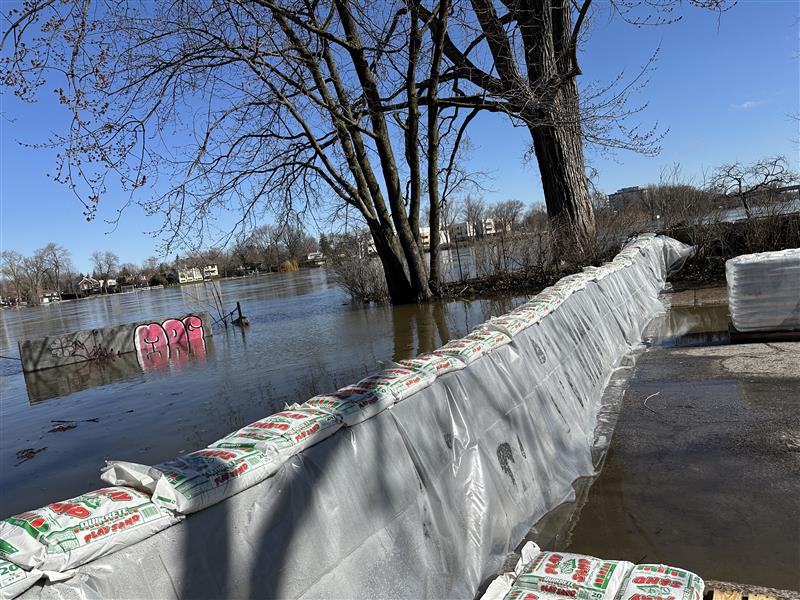
“Hydro-Québec crews are ready for tonight and tonight. The Ministry of Transport is monitoring the impact of water flows on roads, particularly in Montérégie, Estrie, Centre-du-Québec, Lanaudière, and Chaudière-Appalaches. The Sûreté du Québec has added personnel. Please be careful.”
Emergency responders are also reminding Montrealers to be cautious in the event of a blackout.
Firefighters warn that attempts to stay warm or cook using open flames indoors can quickly become dangerous.
“Anything that’s an open flame is a possibility of something that will start a fire. It’s also a possibility of something that will generate carbon monoxide,” Ross said. “If you don’t have a carbon monoxide detector in your house, you should.”
Paramedics also say they often see a rise in carbon monoxide exposure during power outages, especially when people improvise when trying to keep warm.
“We tend to see frequently is when there’s no power, people try and get creative with ways to cook food or stay warm,” said Vanessa Grillo, chief of operations at Urgences-santé.
“Then we end up getting an influx of calls for carbon monoxide exposure or carbon monoxide poisoning.”
Urgences-santé is also warning icy conditions can lead to more slips and falls, which could slow response times as paramedics navigate slippery streets and entrances.
“You see fractured hips and lower body injuries. Even when people try and break their fall, wrist injuries and things like that,” Grillo said.
Officials say those experiencing non-life-threatening injuries should consider calling 811, where nurses can provide advice and help direct people to appropriate resources.
Authorities are also urging residents to take extra care on sidewalks and stairs and make sure entrances are clear and safe.
They’re also encouraging people to check in on vulnerable neighbours and loved ones.
“Make sure they have everything they need — their medications, enough food to last them a couple of days,” Grillo said.
Travel, events impacted
At the Montreal and Quebec City airports, flights scheduled for sunrise were able to take off as normal, but dozens of flights scheduled later in the day had already been canceled on Wednesday morning.
The Ministry of Transport and Sustainable Mobility recommends postponing any travel deemed non-essential.
“If you have to take to the road, it’s really important to adjust your speed to the weather and road conditions,” said Alexandra Houde, spokesperson for the ministry, in an interview.
Houde noted that it is important to maintain a safe distance from the vehicle in front of you on the road. It is also necessary to be “very patient” with maintenance vehicles, which have to do their work in difficult conditions.
On the cultural scene, Journey’s concert, scheduled for Wednesday evening at Montreal’s Bell Centre, has been postponed until Friday. Weather conditions have had “an impact on the tour itinerary,” according to concert promoter Evenko.
Meteorologists predict that the system expected on Wednesday will be similar to the one that dumped about 30 millimeters of freezing rain on certain areas, such as Montreal, in April 2023.