Report urges action on growing bedbug problem in Montreal
Posted March 13, 2026 9:26 am.
Last Updated March 13, 2026 10:23 pm.
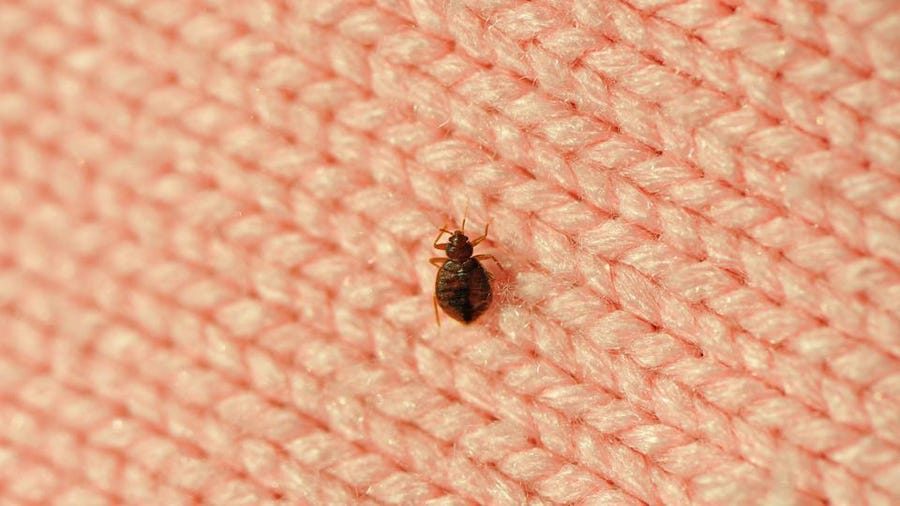
A housing advocacy group is sounding the alarm about the impact of bedbug infestations in Montreal with the release of a new report calling for stronger government action.
The Housing Committee of La Petite Patrie published the report Friday to coincide with World Sleep Day, highlighting what it describes as a growing public health and social issue across the island.
“Year after year, the problem keeps growing, keeps getting harder and harder to treat,” confirmed local extermination technician and owner of Extermination Dynamique, Mike Andrade, when asked by CityNews whether he’d seen an increase in cases throughout the city.
Mélanie Baril, who also helped with the redaction of the study titled “The scourge of bedbugs in Montreal: a call to action,” echoed Andrade’s sentiments after she described spending the summer visiting households in her role as coordinator for the housing committee.
“We visited 75 buildings in the neighborhood where more than 50 per cent of tenants reported having sanitation issues—that is, problems related to the building itself,” said Baril. “We saw that the numbers were on the rise.”
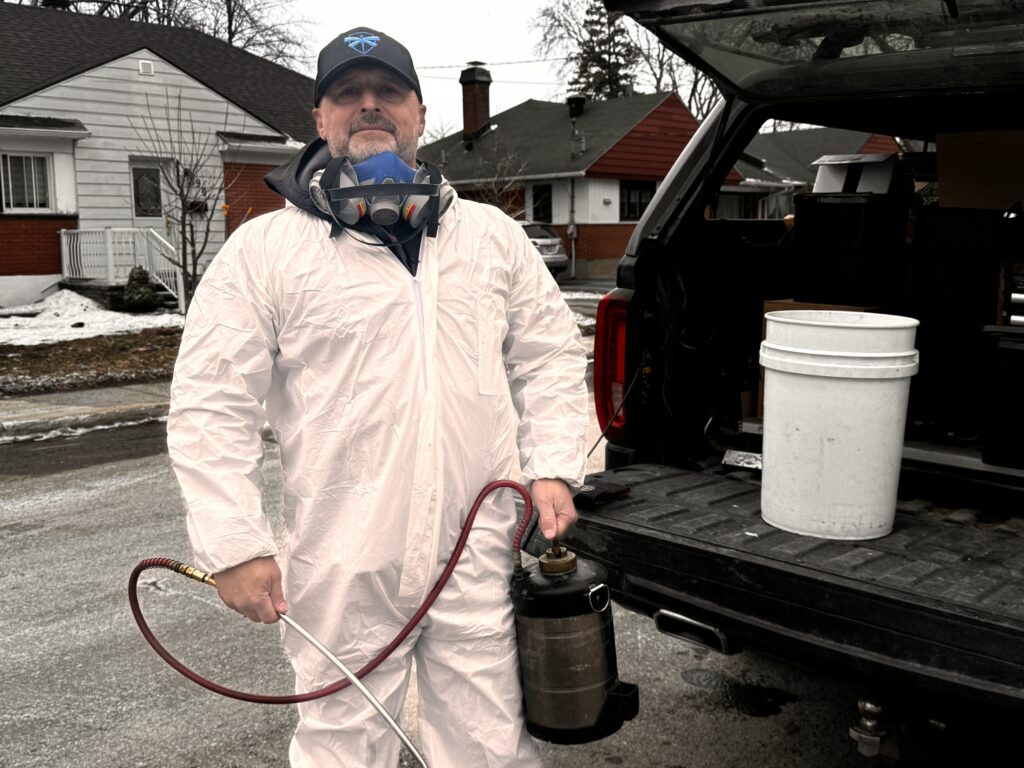
According to the report, pest control companies recorded more than 41,000 cases of bedbug infestations in the city between 2014 and 2024. However, researchers say the real number is likely much higher because many infestations are never reported.
What they can confirm is that the infestations — which seemed to decrease during COVID as forms of contact that normally propagated the infestations — came back with a vengeance as government confinement orders ceased.
“COVID for sure did do a number on us, if you noticed financially, we started having a hard time as of COVID ended and interest rates went up,” Andrade said, attributing the increase to the cutbacks landlords tend to make as financial constraints tighten budgets.
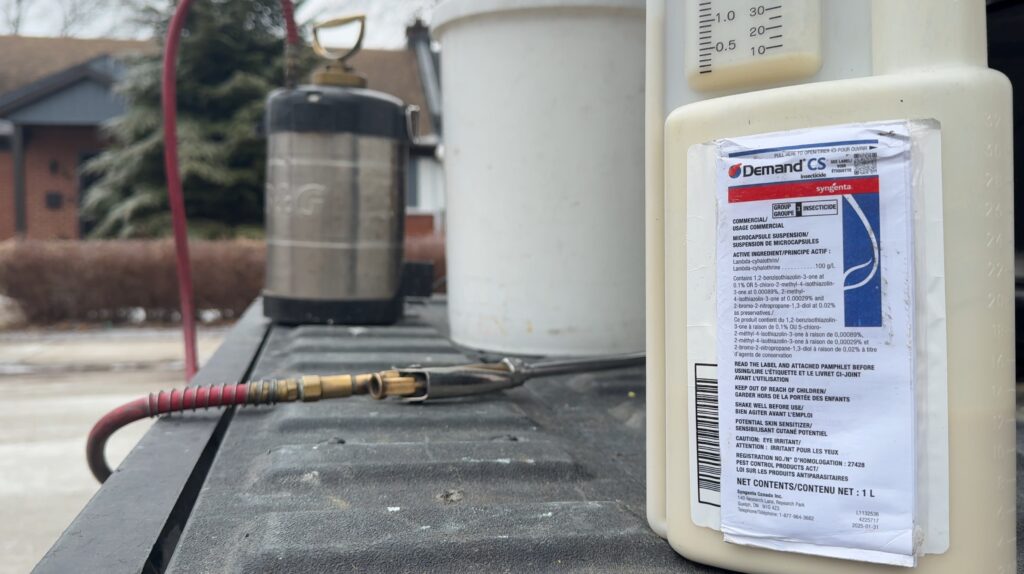
“When times are tough financially, people will tend to try to fix it by themselves more often than calling a professional like us,” he added, while explaining how he doesn’t recommend that people take measures into their own hands, as it can lead to bedbugs to instead become resistant to pesticides.
And as Baril explained, for tenants who feel abandoned by landlords and caught in an interminable cycle of infestations, taking matters into their own hands can at times feel like the only solution.
“The data clearly shows this, It is the most vulnerable people, those with the least financial means, who are the hardest hit by this because, obviously they’re the ones living in large apartment buildings with concierge services — not all landlords are willing to invest the energy, time, and money to ensure they provide quality housing,” she said.
A fact confirmed by data in the report, which indicates that low-income households are the hardest hit. Their infestation rate can reach 9 per cent, compared with less than 1 per cent in households with an annual income of more than $60,000.
The document also points to the health effects associated with infestations – like stress, sleep disruption, anxiety and even isolation.
“We get calls from distressed tenants who can’t sleep anymore, and whose children can’t sleep either,” said Baril. “We worked with a mother whose child was being isolated at school, he was being singled out, he wasn’t allowed to go out for recess.”
Advocates are urging governments, public health officials and community organizations to work together on solutions. The report, which includes several recommendations, has been sent to government ministries, the city and other officials in hopes of prompting action.
“We need strict oversight of delinquent property owners who refuse to carry out the necessary repairs — either the borough or the city should be responsible for this.”
“At the provincial level, there’s a big role to play because pest management, which is a real problem that is largely unregulated. Not many people have authority over pest management, and that falls under Quebec’s jurisdiction,” she added.
A sentiment shared with Andrade as he states that it would save everyone a lot of money in the long run.
“An ounce of prevention is worth a pound of pain,” Andrade added.