Air Canada CEO Michael Rousseau to retire in 2026
Posted March 30, 2026 8:14 am.
Last Updated March 30, 2026 5:11 pm.
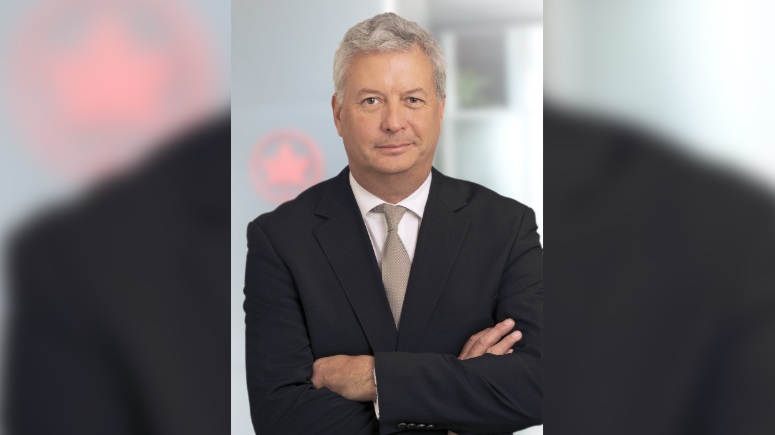
Air Canada CEO Michael Rousseau will retire by the end of the third quarter of 2026, closing out nearly two decades in senior leadership roles at the country’s largest airline.
The company’s board announced the decision Monday, noting Rousseau will remain in the top job and continue serving on the board until his departure.
Succession planning has been a priority for more than two years, Air Canada said, with a structured internal development program already in place for high‑potential executives. A global external search began in January 2026 to identify additional candidates capable of leading the Montreal‑based airline.
Rousseau has agreed to remain available after his retirement to support a smooth transition, the board said.
“It has been my great honour to work with the dedicated and talented people of Air Canada and to represent our outstanding organization, including as chair of the Star Alliance chief executive board and on the board of directors of the International Air Transport Association,” Rousseau said via a news release. “I look forward to supporting our company during this important transition period.”
Rousseau exits amid renewed scrutiny of Air Canada’s bilingual obligations
Board chair Vagn Sørensen praised Rousseau’s long tenure, citing his leadership through the 2007–2008 financial crisis, the COVID‑19 pandemic, the acquisition of Aeroplan, and efforts to restore the solvency of Air Canada’s pension plans. Sørensen added that the company’s upcoming annual general meeting will further recognize Rousseau’s contributions and “legacy of financial strength.”
Rousseau’s retirement announcement follows weeks of controversy tied to the deadly Air Canada Jazz crash at New York’s LaGuardia Airport, which killed two pilots, including Quebecer Antoine Forest.
In the aftermath, Rousseau released a four‑minute condolence video delivered almost entirely in English — a decision that drew swift condemnation from francophone politicians, federal leaders and the public.
Rousseau was later summoned before the Commissioner of Official Languages, with nearly 2,400 complaints filed as of Monday afternoon. He is still scheduled to appear before a parliamentary committee on May 1.
“I think it’s important that he speaks both languages so people can understand,” said one Montrealer, reacting from Montreal’s Trudeau airport.
Others echoed that sentiment.
“He should be functional in French because he’s living in Quebec, right?” another person said.
“In Canada, we should be able to speak French a bit and English a bit,” added another.
Prime Minister Mark Carney said the English‑only message showed a “lack of judgment and lack of compassion,” stressing that Air Canada has a responsibility to communicate in both official languages. Rousseau later apologized, acknowledging that despite years of lessons, he remains unable to express himself adequately in French.
Rousseau has lived in Montreal for 14 years.
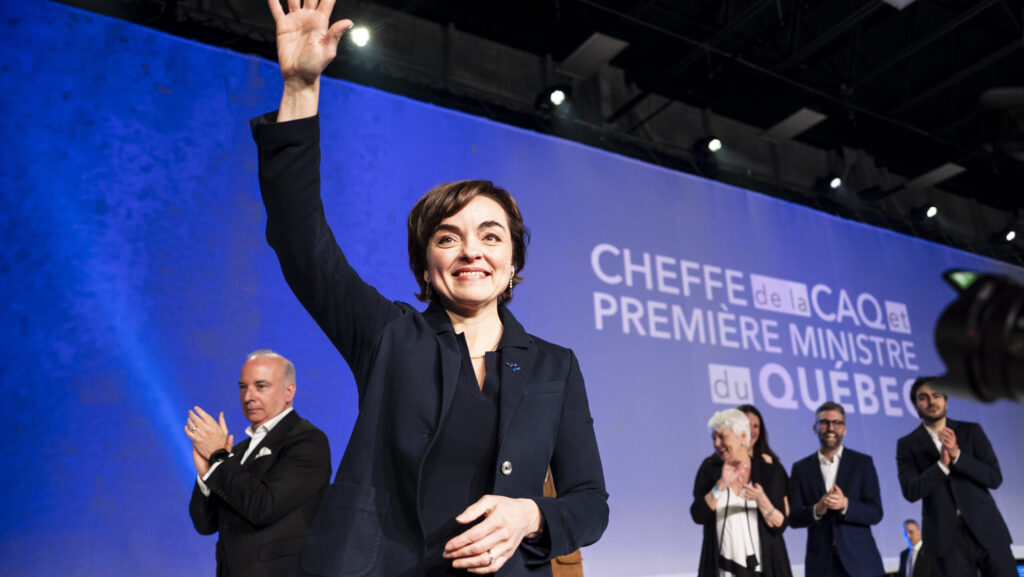
Outgoing Quebec Premier François Legault called for Rousseau’s resignation and argued that his inability to speak French disrespected francophone employees and customers.
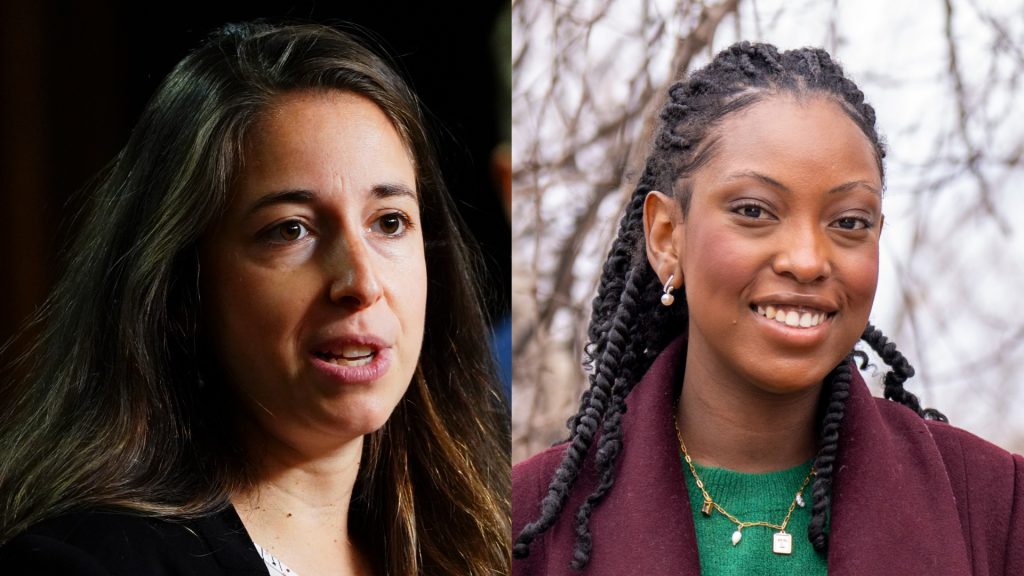
CAQ leadership candidates Bernard Drainville and Christine Fréchette, who are currently running to replace Legault, were also quick to react on X.
“It was the only sensible thing to do. The next CEO of Air Canada must speak French,” Drainville said. “It’s a matter of respect.”
Air Canada has “only one option before it,” Fréchette said, and that it was “high time” the airline appoint a bilingual CEO.
“It’s the only credible decision that respects francophones, Quebecers, and the National Assembly, and the only one that would finally send the signal that things are changing,” she added.
Rousseau was appointed Air Canada’s president and chief executive officer in February 2021, succeeding longtime CEO Calin Rovinescu.

Mounting pressure
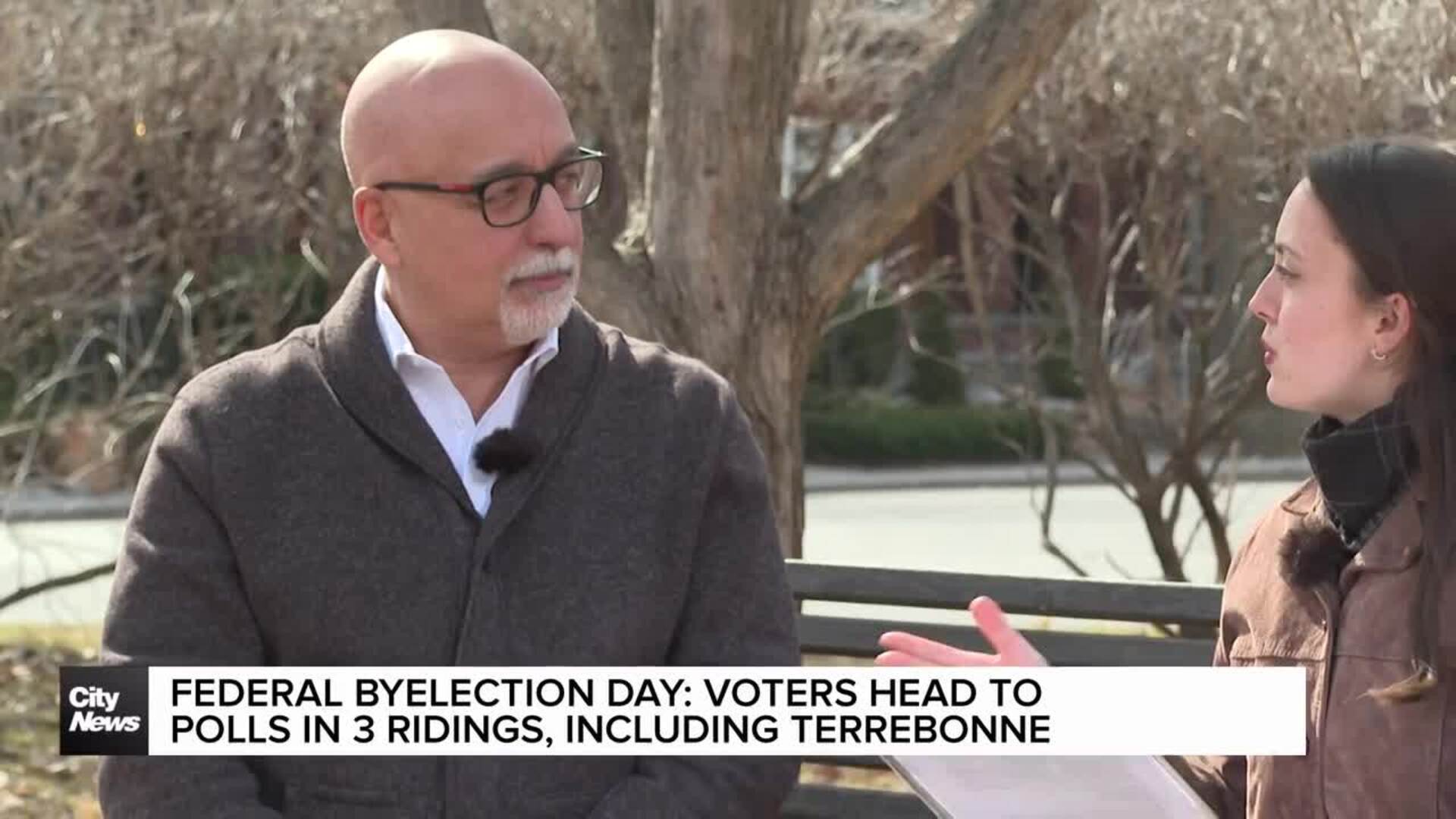
Aviation analyst John Gradek told CityNews that the backlash made Rousseau’s departure increasingly inevitable.
“The writing was on the wall earlier in the week when everybody was reacting to his statement,” said Gradek, a faculty lecturer in operations and integrated aviation management at McGill University.
Gradek added that while Rousseau’s upcoming committee appearance may now carry less weight, the issue itself is unlikely to disappear.
“The committee will, in fact, make its point known to the board in terms of its desire to have somebody with the French language,” he said.
This is not the first time Rousseau has faced criticism over his French. In 2021, he pledged to improve after struggling to answer questions in French at a Montreal press conference.
But analysts said this latest controversy appears to have been the tipping point.
“I think the question was (if it was) going to be a termination or was it going to be a retirement,” Gradek said.