Homelessness jumps 20% in Quebec: Laval, Laurentians see sharpest increases as crisis spreads beyond Montreal
Posted April 9, 2026 4:58 pm.
Last Updated April 10, 2026 5:24 pm.
More than 12,000 people are now experiencing visible homelessness across Quebec, a 20 per cent increase since 2022, according to the province’s latest count.
Quebec’s homeless population grew by 1,873 people from 2022 to 2025 – for a total of 12,077 experiencing homelessness.
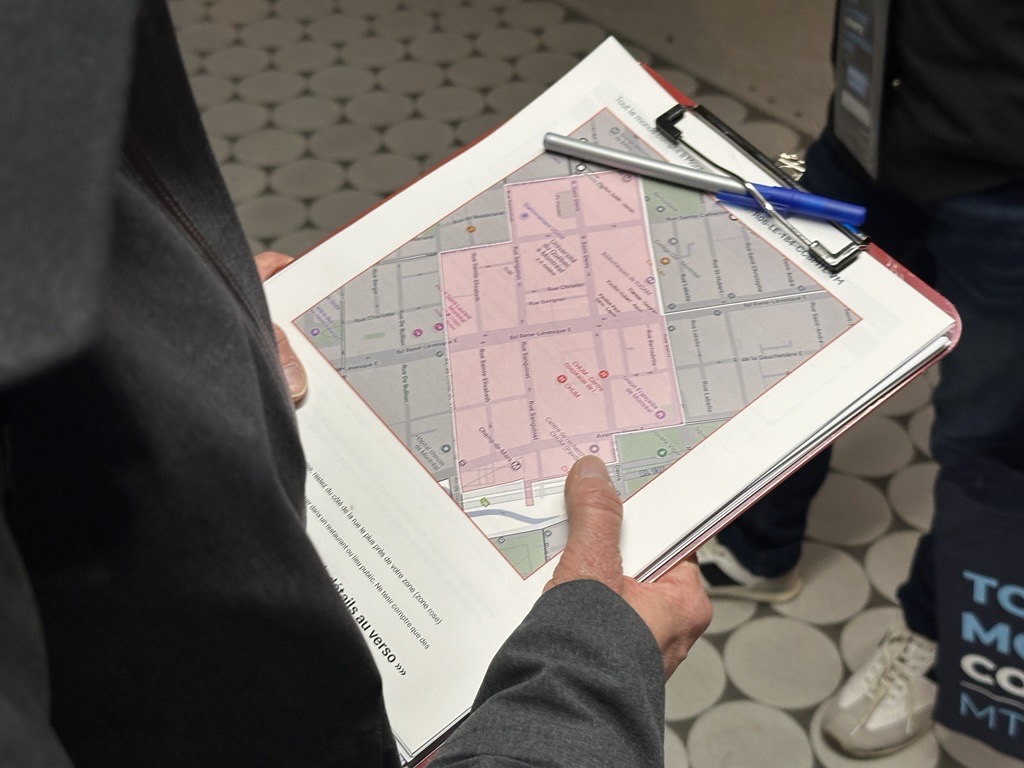
That’s according to the results of the April 2025 homeless population count that saw thousands of volunteers walk the streets of multiple Quebec regions to count and interview people experiencing homelessness.
While Montreal remains the most affected region, accounting for more than 5,000 people, it saw one of the smallest increases at 6.7 per cent.
The sharpest rises were recorded elsewhere.
Laval saw homelessness jump nearly 60 per cent, while the Laurentians climbed more than 70 per cent. In Abitibi-Témiscamingue, the number more than doubled.
“The exercise reveals that homelessness now extends well beyond major urban centres,” Quebec’s Health Department said in its report, noting visible homelessness is now present in every region.
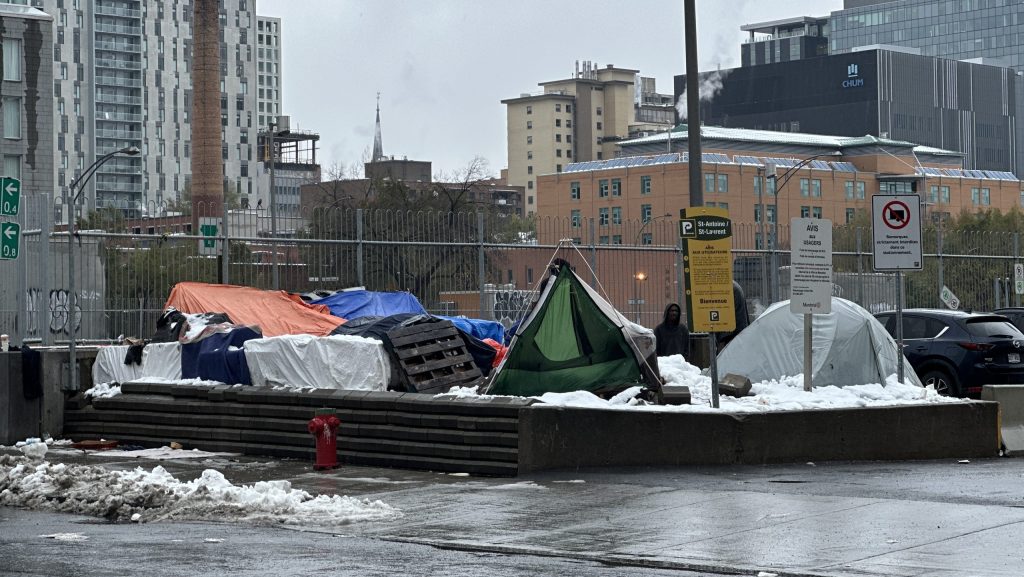
On the ground in Montreal, outreach workers say the situation is becoming more visible.
“I’ve noticed more people in metros, more people in the streets, more encampments that are showing up everywhere,” said Nakuset, executive director of the Native Women’s Shelter.
She also raised concerns about recent measures like closing metro station entrances, saying it could displace vulnerable people seeking warmth. “Where are they going to go? If you don’t create services for them, safe places, now you’re going to push them out of warm places?” she said.
Outside Montreal, the surge is putting growing pressure on smaller cities.
In Laval, Mayor Stéphane Boyer said shelters are struggling to meet demand.
“Sometimes we need to draw a lottery at night to see who can sleep in the refuge,” he said. He added that services are often fragmented, making it harder for people to access consistent support.
In Saint-Jérôme, Mayor Rémi Barbeau said municipalities are working with outdated data that doesn’t reflect the current reality on the ground.
“Even if we succeed in getting people off the streets and supporting them, there are always new homeless people,” he said.
Barbeau also warned that while provincial funding has helped launch new initiatives, it remains temporary. “The funding will eventually run out,” he said, adding sustained investment is needed to maintain progress.
For some, the crisis is deeply personal.
Nathan Neil, now part of a pre-employment program at Resilience Montreal, said he became homeless just before the pandemic after losing his job and being priced out of housing.
Returning to areas where he once stayed, he says the change is striking. “It was like rows of tents. I was shocked,” he said.
Neil says long wait times for housing can leave people feeling hopeless.
“Telling somebody who’s homeless that you can be on a list for two to five years… those who are experiencing homelessness are on a 24-hour basis,” he said.
Advocates say without more support, particularly in housing and services, the situation will continue to worsen.
“People will die. That’s what is going to happen,” Nakuset said. “And it’s really disheartening because they’re our community members.”
Since 2018, homelessness in Quebec has been steadily rising, increasing by roughly eight to 10 per cent each year. Officials say the full results of the 2025 count, expected in 2026, will provide a clearer picture to guide future planning.