Christine Fréchette will become Quebec’s premier: What comes next?
Posted April 13, 2026 2:58 pm.
Last Updated April 13, 2026 6:40 pm.
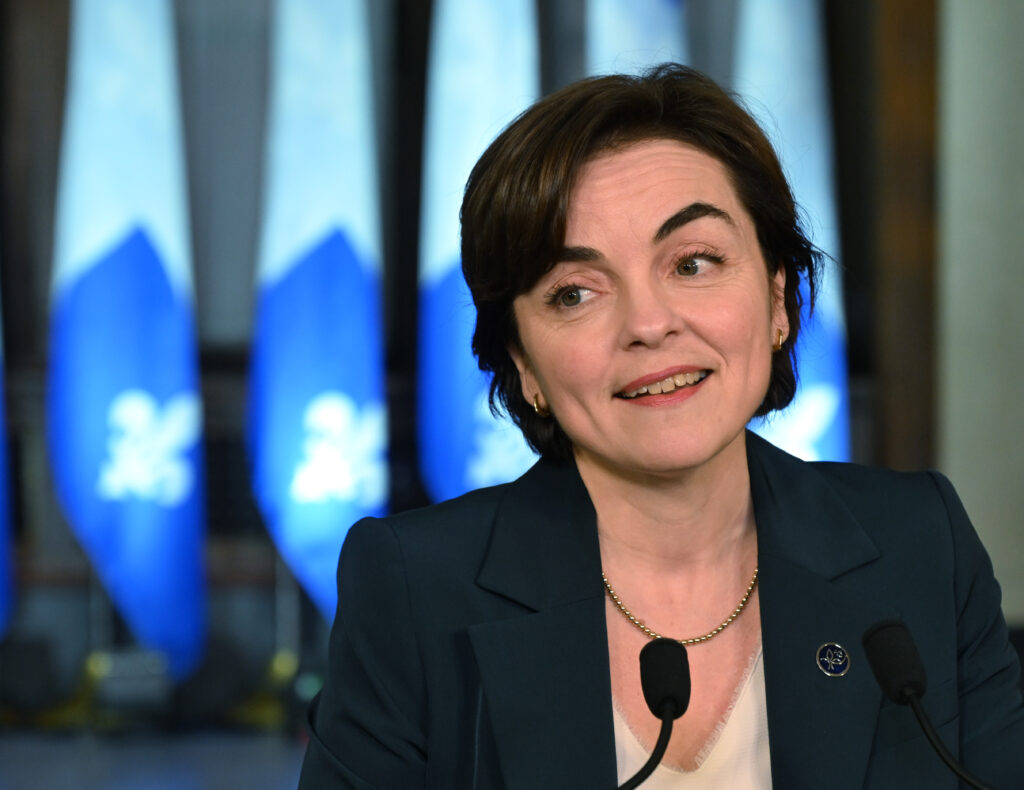
Quebecers woke up to a new premier Monday morning after Christine Fréchette won the Coalition Avenir Québec (CAQ) leadership race, stepping into the province’s top job.
“I want to address Quebecers directly to tell them: I am already on the job,” she said at her first press conference Monday afternoon
She added that she felt a sense of “humility” and “responsibility” with her mandate.
The 56-year-old former economy minister secured 58 per cent of the vote, defeating rival Bernard Drainville. Her victory follows the resignation of outgoing premier François Legault earlier this year.
In her victory speech Sunday, Fréchette vowed to guide the party in a new direction as the province gears up for a general election in October.
“You have voted for another style of leadership so that a new generation is at the head of Quebec,” she said.
During the campaign, Fréchette pledged to revive the province’s Quebec Experience Program (PEQ) immigration stream for two years — a proposal that drew mixed reactions from Montrealers on Monday.
“If you need someone in a country to work, for example, in health, two years is not enough,” said one voter.
“It’ll certainly help me a lot. And I think I’m speaking on behalf of all the people who work here, who are immigrants,” said another.

Fréchette’s platform focused largely on economic issues, while also promising improvements to accessing housing and health care; reduce the size of the government; and strengthen the role of the private sector in health care, education, and infrastructure projects.
To ease the financial burden on Quebecers, she promised to reduce vehicle registration costs and reimburse a significant portion of the property transfer taxes for first-time homebuyers.
Fréchette becomes the first person at the helm of the Coalition Avenir Québec (CAQ) other than Legault, who created the party in 2011 and has been its sole leader.
Recent polling suggests the CAQ faces an uphill battle, sitting at around 13 per cent in voting intentions, while the Liberals and Parti Québécois are neck-in-neck at 33 per cent and 32 per cent, respectively.
More voters CityNews spoke to on Monday remain unwooed by the governing party’s new leader.
“I don’t think she’s going to do anything. She has two months and then she’ll be out,” one person said.
“I don’t really care. As long as the cost of living isn’t so expensive anymore,” said another.
“She just needs to listen to people, especially getting young people involved. We aren’t really involved in politics and sometimes we can get so discouraged with everything,” added a third.
Will Fréchette be able to turn things around?
One of the first things Fréchette told reporters on Monday was how much she was aware of the CAQ’s steep climb to return back to voters’ good graces.
“This will not be an easy challenge to overcome,” she said.
That challenge, experts say, has begun with a change in party policy. Political analyst Daniel Béland said Fréchette’s platform appears to be a more liberal take than previous CAQ messaging.
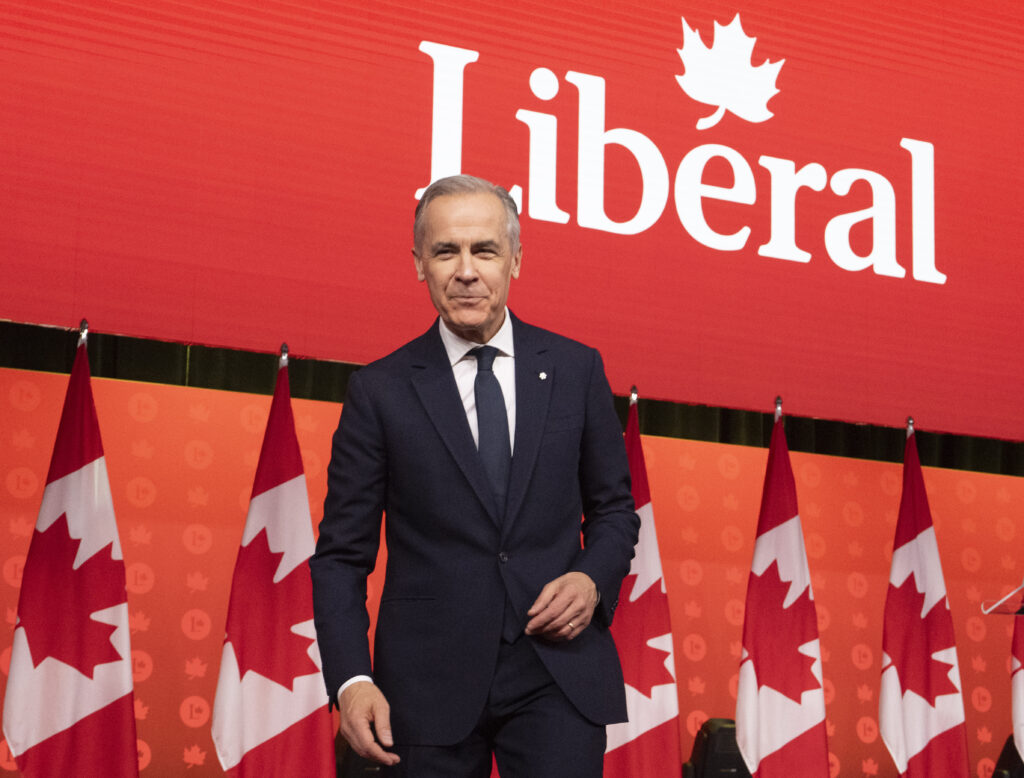
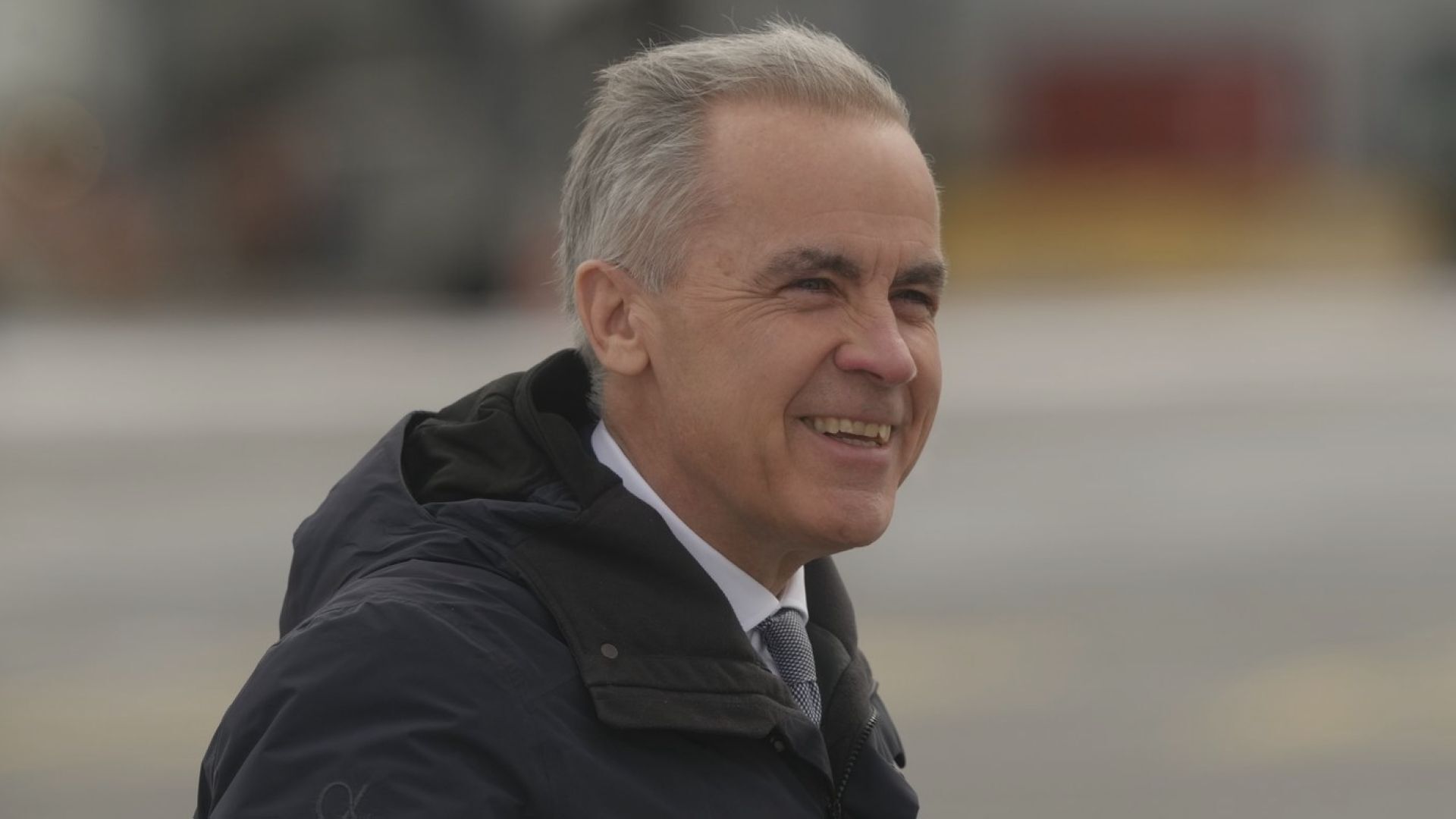
He said the new premier may see to pitch herself in the same way Prime Minister Mark Carney did when he was elected — a safe pair of hands to guide the province through stormy waters in global politics.
But unlike the federal Liberals, who only had one main opponent in the Conservatives, the CAQ will have a difficult time fending off two foes at once.
“It’s a very, very tall order,” he said.
Béland added that Fréchette has “more in common with Charles Milard” than the leader of the PQ, which will make her greatest obstacle a matter of differentiating herself from the Liberals.
Voters may see secularism and nationalism as the hot button issue the CAQ will use to wedge themselves from Milliard’s camp, he said.
“If the anti-referendum camp is really divided, the PQ could try to use that to their advantage,” he said.
Political reactions
Fréchette wasted little time going on the offensive, using her first speech as leader on Sunday to take aim at her political rivals.
“I’d like to address Paul St-Pierre Plamondon and Charles Milliard: Quebecers do not want to take a step backwards,” she said.
St-Pierre Plamondon reacted on X, saying Fréchette’s win reflected a win for the party’s “red” line of thinking and will have “real consequences on the political landscape.”
Meanwhile, Charles Milliard congratulated the incoming premier and wished her luck.
“I wish her success in the responsibilities that await her,” the Liberal leader said.
Montreal Mayor Soraya Martinez Ferrada said that she believes Fréchette to be “well acquainted with the economic realities and opportunities in East Montreal,” and that more collaboration between the city and the province is needed to combat issues like homelessness.
“I look forward to working with her to end homelessness, accelerate housing construction, and move forward with essential infrastructure projects such as the Maisonneuve-Rosemont Hospital,” she said.