Santé Québec says no hantavirus cases confirmed in province after outbreak abroad
Posted May 14, 2026 9:57 am.
Last Updated May 14, 2026 4:10 pm.
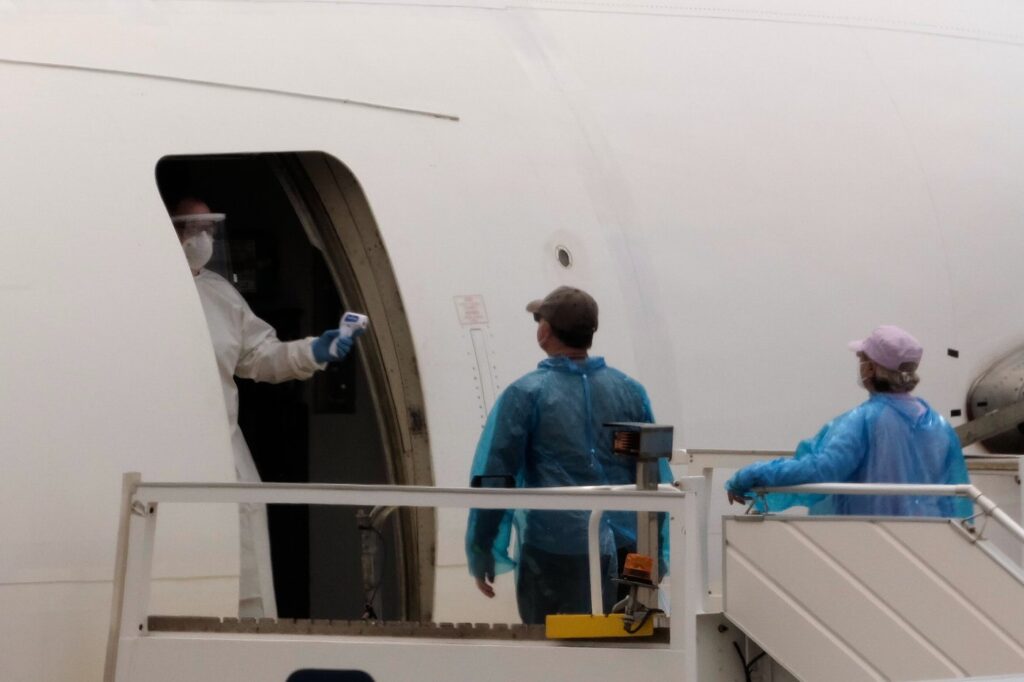
Quebec public health officials say they continue to closely monitor the hantavirus outbreak linked to a cruise ship abroad, while stressing there are no confirmed cases connected to the outbreak in the province.
The Santé Québec says the risk to the Quebec population remains “very low.”
“Hantavirus is a family of viruses that can actually make people quite sick,” explained Montreal epidemiologist Dr. Chris Labos. “While some people recover, some people can get seriously ill with fluid filling into their lungs, damaging their kidneys, and the fatality rate can actually be quite high.
“I think why the current outbreak is gaining so much attention because this is the first time that we’ve seen an outbreak like this on a cruise ship and it’s also relatively rare to have person to person spread of hantavirus. It’s usually rodents to humans. The only other time it’s ever been seen before has been with this particular strain of hantavirus, the Andes strain.”
Canada’s chief medical officer of health says 26 people across the country are being contacted by public-health authorities to monitor for hantavirus symptoms, though they are deemed “low risk.” Dr. Joss Reimer says all of the passengers shared flights with someone with hantavirus, but it’s believed they didn’t have close contact with anyone who was sick or sit near them.
So far, eight contacts have been identified in Quebec. Public-health authorities say those individuals are considered at low risk of developing the infection because they did not have direct or prolonged contact with the confirmed case tied to the outbreak abroad.
Officials say the individuals are being asked to self-monitor for symptoms for 42 days following their last exposure, in line with recommendations from the World Health Organization and the Public Health Agency of Canada. They are not required to isolate unless symptoms develop.
“I don’t think people should really be worried,” said Dr. Labos. “I think we should care about this because this is an important virus that has important public health implications. It demonstrates how important it is to have an international organization like the WHO there to coordinate these types of international responses and to make sure everybody has up-to-date information and has a coordinated response.
“So this is an important issue, but I don’t think it’s going to be dangerous for the vast majority of the population because most people are not going to get sick from hantavirus because it does not spread easily from person to person.”
Regional public health authorities are also conducting preventive follow-ups with those identified contacts. Santé Québec noted none of the people aboard the affected ship were Quebec residents.
An advisory has also been issued to health-care professionals and through Quebec’s Info-Santé system as a precaution.
“Hantavirus is not a new virus,” said Labos. “It’s been around forever. So we have experience with it. We know how it spreads. We know how outbreaks happen. Outbreaks have happened before. It’s unique that it’s happened on a cruise ship, but this is not the first time we’ve dealt with the virus and so we know what’s happened before. We know what’s going to happen now.
“It’s just a matter of controlling and making sure that people who were exposed properly isolate so they don’t pass it on to others as unlikely as that could possibly be.”
The first symptoms of hantavirus present like any other viral infection, according to Dr. Labos.
“It could be fever, chills, muscle aches,” he said. “It’s going to be very hard for anybody to tell the difference between this and any of the other circulating respiratory viruses that are out there. It’s only after that that you start to get the stomach pain, the nausea, the vomiting, the diarrhea and then progress into the more severe symptoms that land you in hospital and that’s when people tend to come to medical attention when they get severely sick.”