Communal living spaces in Montreal for digital nomads, remote workers
Posted May 15, 2026 5:28 pm.
Last Updated May 16, 2026 12:30 am.
For many remote workers and digital nomads, the greatest challenge of working from anywhere is not the internet connection, but the isolation.
In Montreal’s Village neighbourhood, an unconventional housing model is attempting to solve that problem by trading traditional apartments for community.
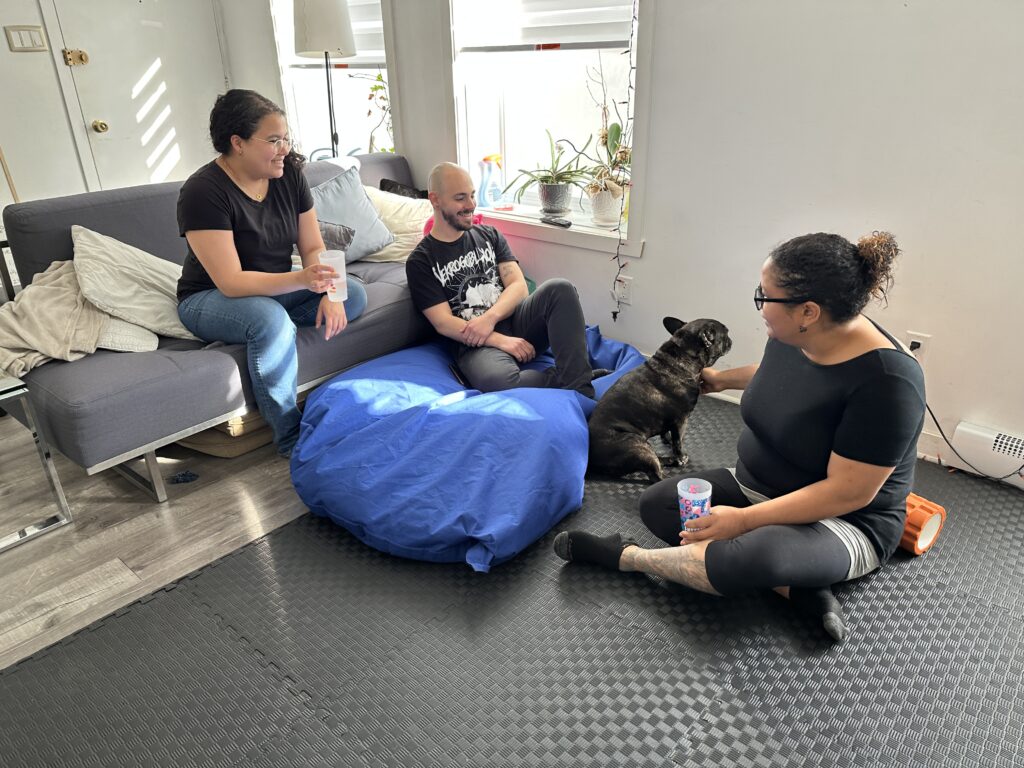
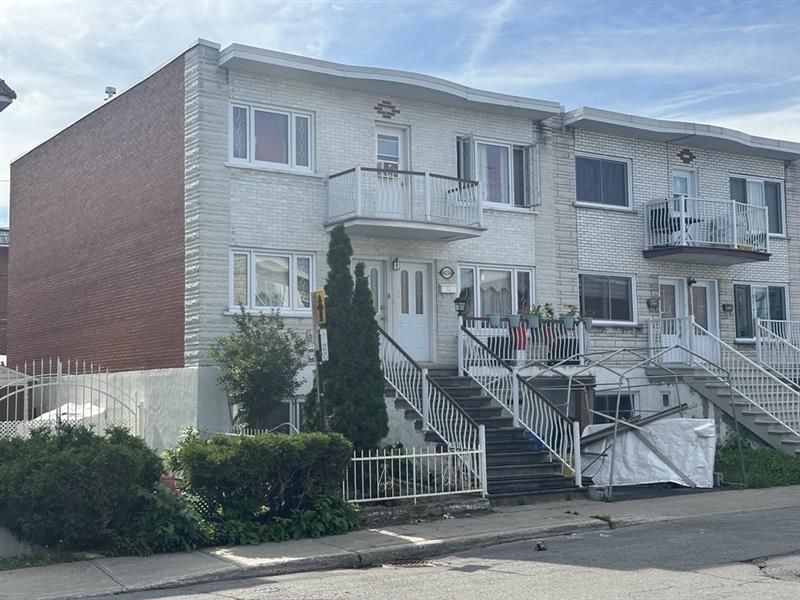
Known as Noco, the 16-bedroom building is one of two locations operated by Nomad Coliving, an enterprise designed specifically for location-independent professionals, housing between 18 to 20 residents at a time.
“Here is an intentional co-living space, so that means it’s not like a normal roommate situation, or it’s not like a rooming house,” said Maria Kinoshita, founder of Nomad Coliving. “People who are living here live here because they want to live together and because they want to live and meet people who have the same kind of lifestyle they have.”
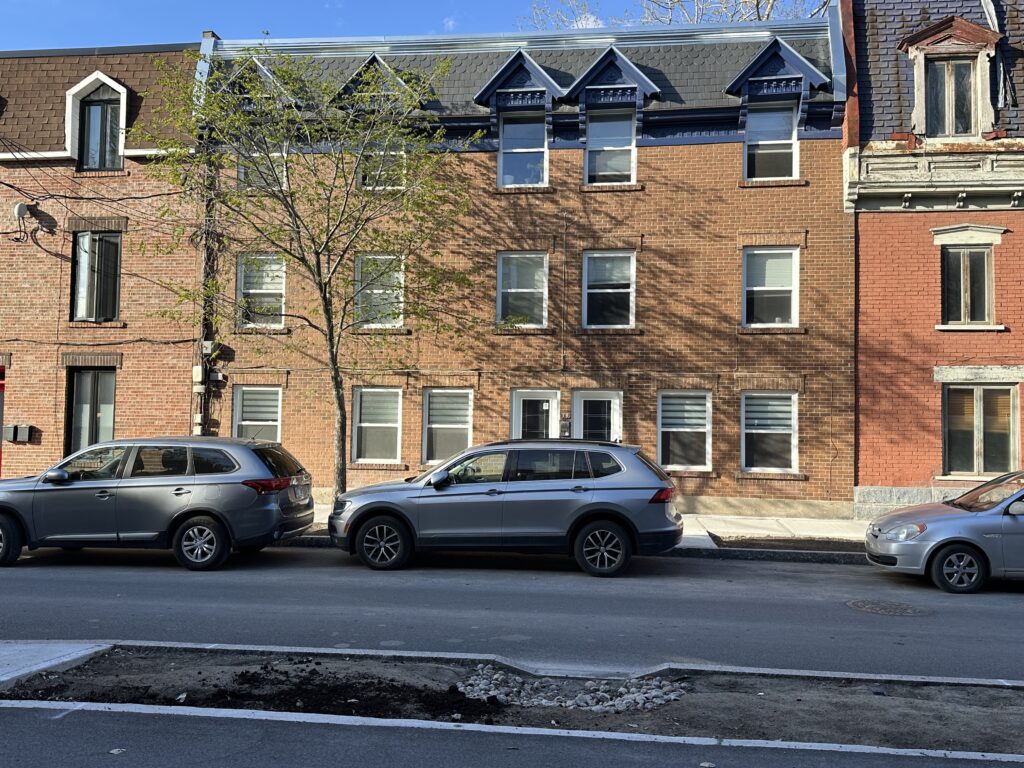
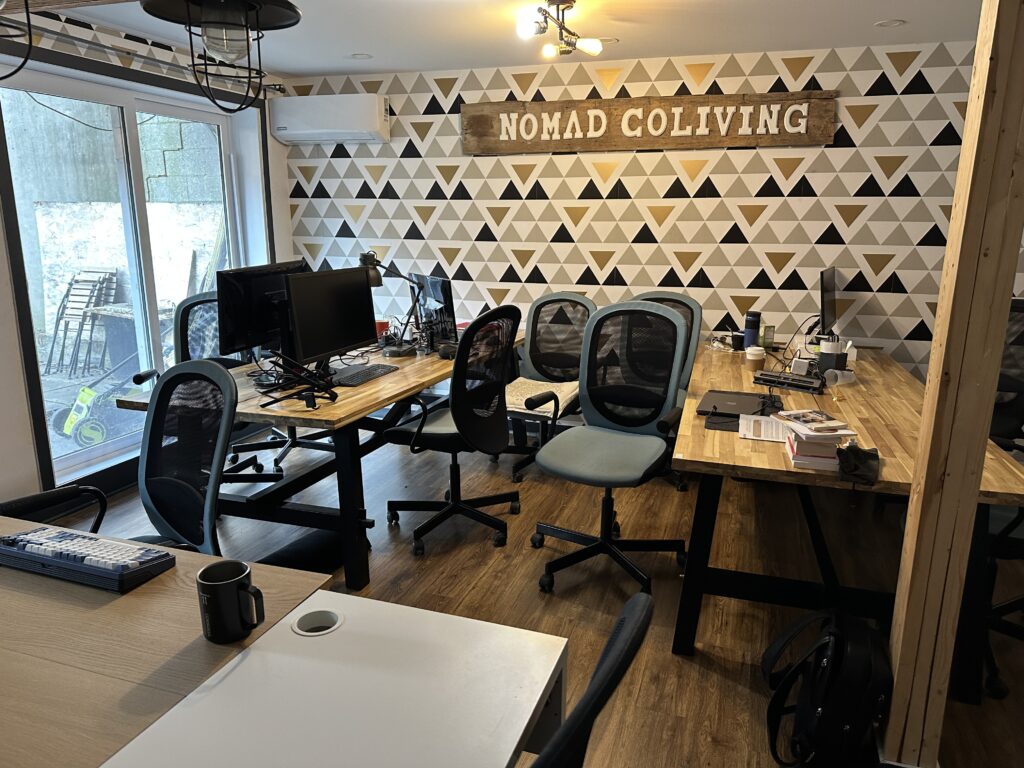
Converted from a traditional Montreal six-plex, Noco’s first floor is the central ‘hub’ for its residents. The floor features a kitchen, a living room, dedicated call rooms for remote meetings, and a large communal co-working space.
A single room costs approximately $1,000 per month. The rent covers shared amenities like a laundry space and small gym as well as coffee, sparkling water, toilet paper and regular cleaning services for the communal areas.
Kinoshita notes that applicants undergo an interview process before being accepted, ensuring they are a right fit for the house dynamic.
“We don’t want to have people coming for a room, but for the community,” Kinoshita explained.
While the city grapples with a broader lack of affordable housing, Kinoshita emphasizes that coliving targets a specific demographic rather than acting as a traditional real estate fix.
“Our goal is not to be a solution to a housing crisis,” Kinoshita said, adding that both properties remain consistently full. “We as a community are digital nomads, we are all working remotely, most of us do pretty well, and our goal is not to have the room that is as cheap as possible. When I travel, I live in co-living too, and my goal is to have a community of like-minded people, a place where I can work from.”
The typical resident stays between four and six months. While the day-to-day routine revolves around remote employment, the biggest draw is social integration into the city.
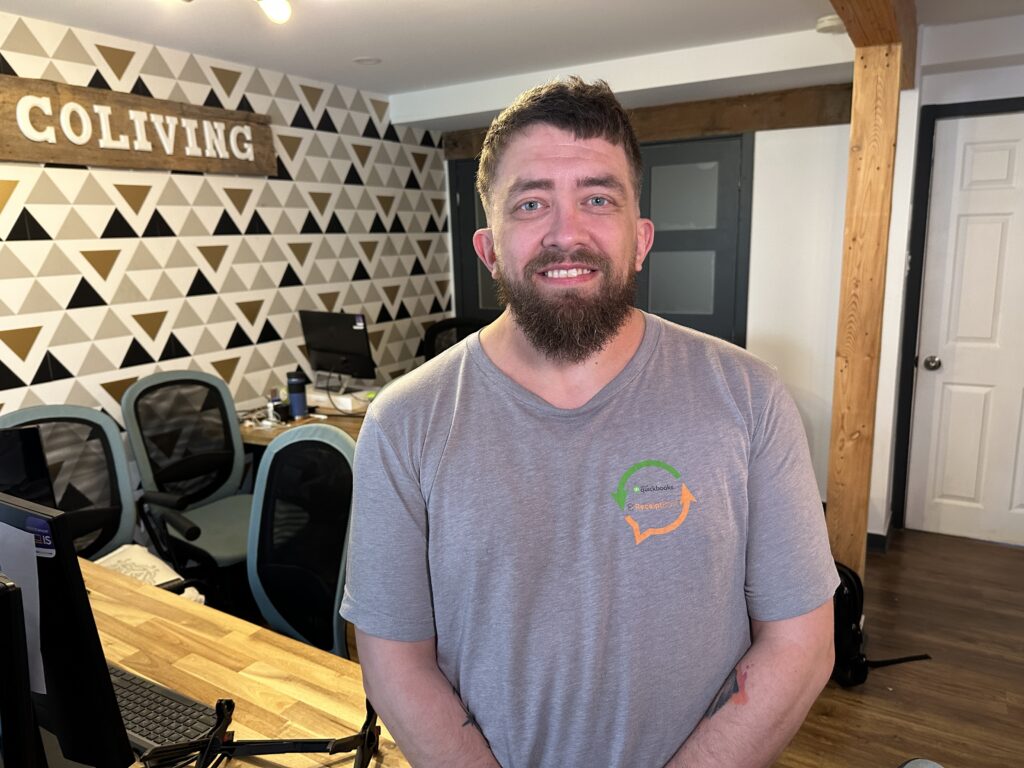
“I think for me it’s the social aspect of it, is getting to know people from different countries, or even just other parts of Canada,” said Tyler Reimer, a Noco resident visiting from Calgary.
That multicultural environment is a core feature of the household dynamics.
“This is a very interesting mix,” said Daniela Falla, a resident from Uruguay. “I mean people from India, English people, Canadians, from China too… so far very, very good.”
Nomad Coliving also operates a second location, named Nico, in Montréal’s Hochelaga-Maisonneuve neighbourhood. For international arrivals landing during Quebec’s harsher seasons, the built-in social network feels much needed for some residents.
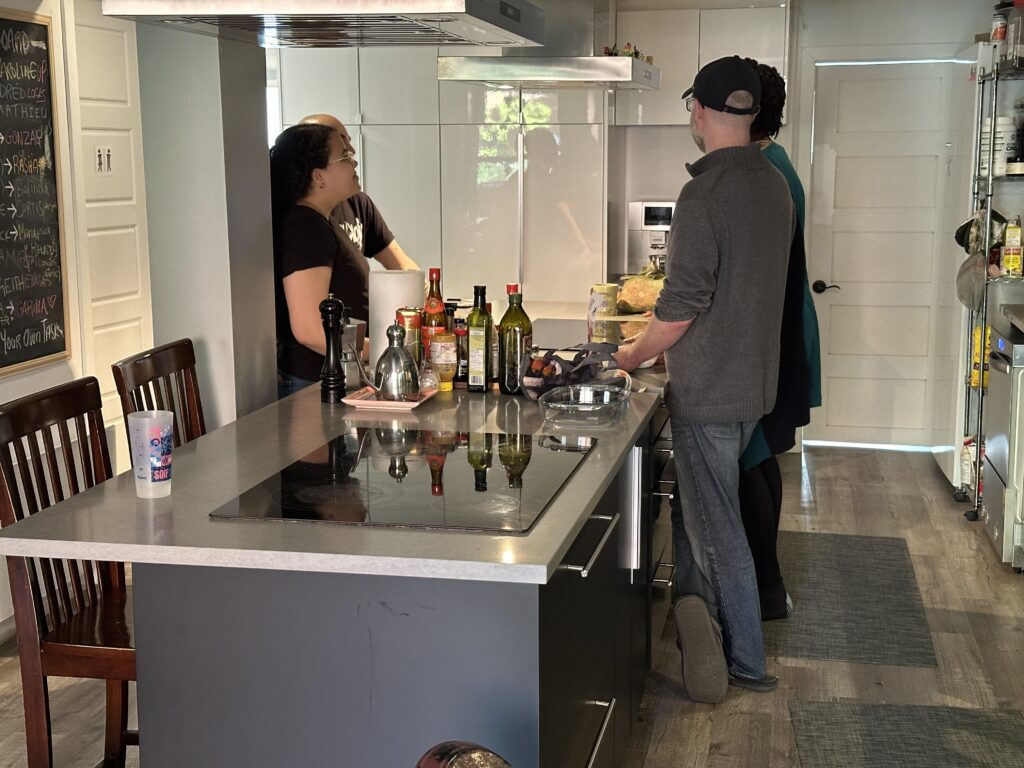
“We got here in the middle of winter when there is not a lot else to do besides looking at the snow,” said Darianna Molina, a Nico resident visiting from Spain. “Having more people inside the house for me was great because I didn’t feel isolated.”
Fellow resident, and partner, Aitor Romero, also from Spain, noted that the professional demographic alters the standard shared-housing experience.
“In a co-living space they are not students, they are adults, so people tend to be easier to connect and engage,” Romero said.
Kinoshita is currently developing a new co-living space in Okinawa, Japan, but has no current plans to expand her operation beyond the Noco and Nico properties in Canada. However, she hopes to see this model gain wider acceptance and inspire similar projects.
She believes a cultural shift is required regarding how adults view shared living.
“I think it’s a need… maybe the education has to be done because a lot of people feel like we should have our own house,” Kinoshita said. “For some people it’s great, but for some other people maybe you should consider living with other people. It won’t be a roommate situation when you were a student, because we’re all adults and responsible.”
With files from Gareth Madoc-Jones