Planning begins for long-awaited reconstruction of Saint-Pierre interchange
Posted July 28, 2026 10:35 am.
Last Updated July 28, 2026 5:23 pm.
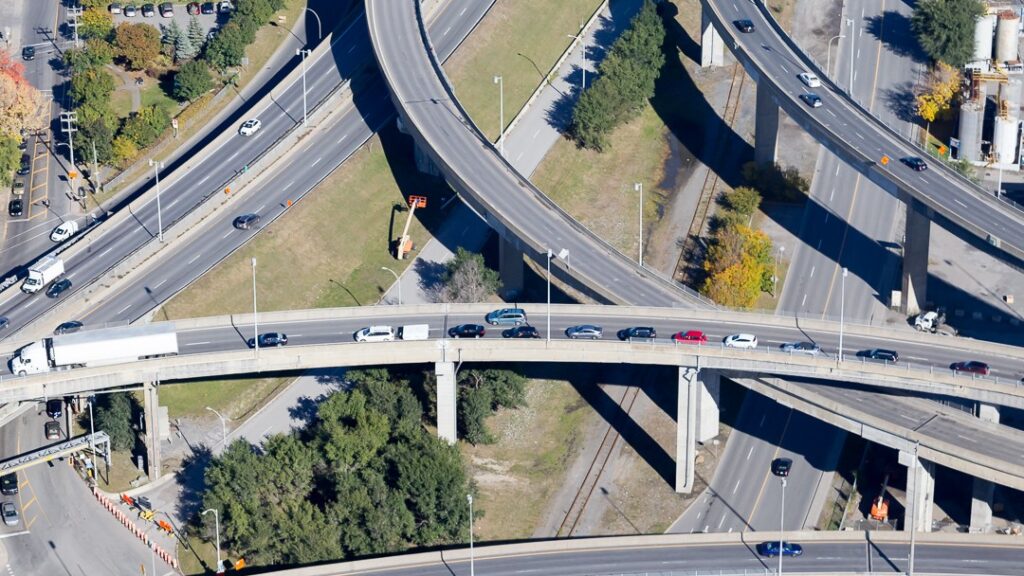
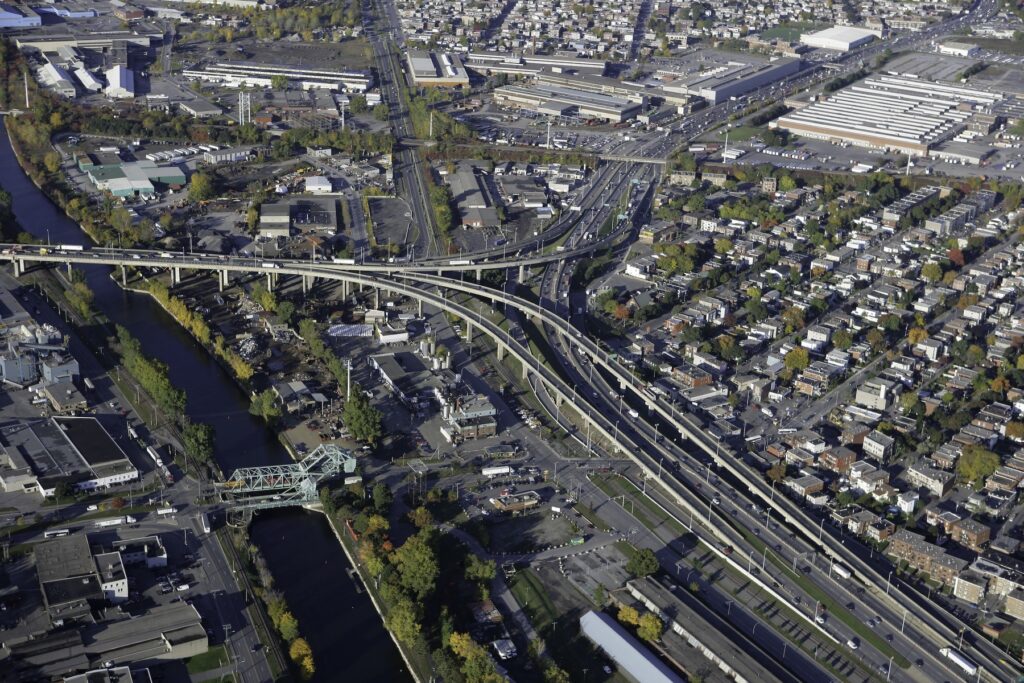
Planning is officially underway for the long-awaited reconstruction of Montreal’s Saint-Pierre interchange.
According to Transport Quebec data from 2025, the interchange serves more than 175,000 vehicles daily, with just over 100,000 vehicles using Highway 20 and about 75,000 using Route 138 each day.
The Quebec government says the project has entered its planning phase and will be delivered through a collaborative approach involving designers and builders. The new interchange will feature elevated structures designed to improve connections to the Saint-Pierre neighbourhood while adding infrastructure for public transit and active transportation.
Built in 1966, the interchange is made up of eight structures linking Highway 20 and Route 138. It connects downtown Montreal, Trudeau Airport, the West Island and the South Shore.
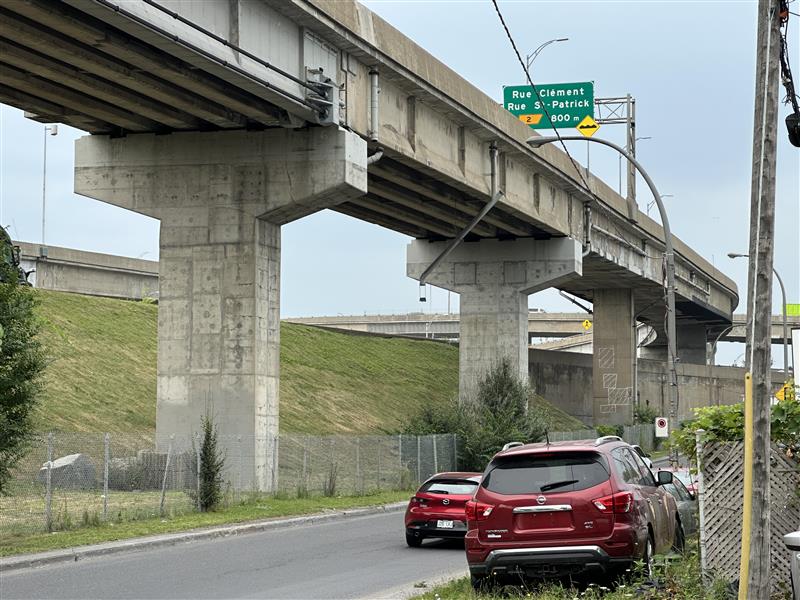
“It’s at the end of its lifespan,” said Transport Quebec spokesperson Sarah Bensadoun. “There was no other option but to rebuild it completely. Right now we are starting to plan this rebuilding process, and we will be doing that for the next two years at least.”
Traffic specialist Rick Leckner warned the reconstruction is likely to create significant congestion.
“People have to get used to the fact that there will be major problems,” he said.
Leckner said the project will be particularly challenging because there are few alternative east-west routes through the area.
“Public transit has to be the way to go,” he said. “But the complication is the fact that there’s heavy industry there. It’s a residential area. It’s a heavily urbanized area.”
Residents and business owners who rely on the interchange say they are bracing for disruptions.
“I’m sure it’s going to be chaos,” said Montreal West resident Shamron Spence. “Once you go through it once, you’ll just try and find a way around, even if it costs more time, more gas, more effort.”
Montrealer Cory Stewart said delays could ripple beyond commuters.
“It’s going to be a big impact. There’s a lot of industry around here. So a slowdown around here is a slowdown in industry,” he said.
Victor Lee, part owner and mechanic at VIG Auto near the interchange, said previous roadwork in the area reduced business by about 25 per cent.
“Definitely we’ve got concerns because we’re right in the corner here,” Lee said.
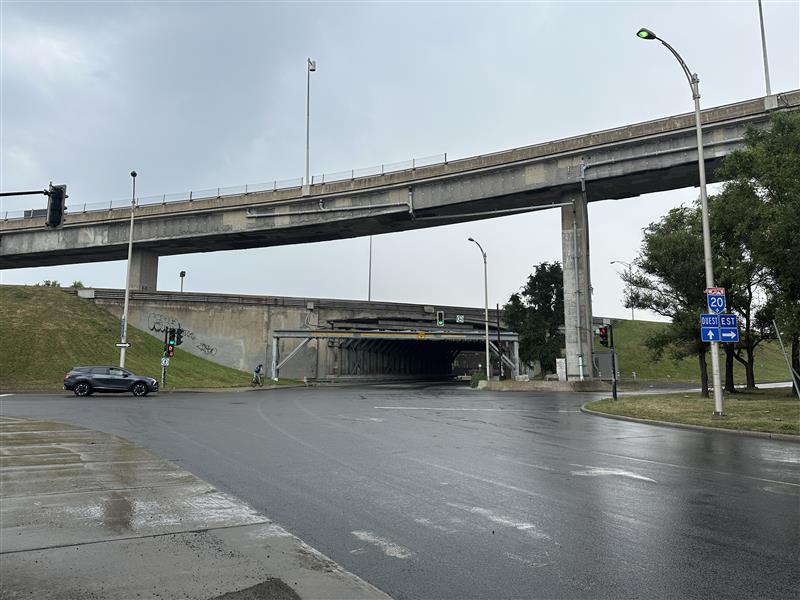
Transport Quebec says traffic will be maintained throughout construction, though motorists should expect evening, overnight and weekend closures, along with detours, as work progresses.
Over the next several years, the province will complete environmental assessments, refine the project’s design and continue consulting with the City of Montreal, local boroughs, residents and businesses.
Preventive maintenance on the existing interchange will also continue until reconstruction begins.
“We have no choice but to do maintenance work,” Bensadoun said. “We will continue the maintenance work until the actual rebuilding starts.”