Quebec votes 2026: Why some First Nations choose not to vote
Posted October 3, 2026 4:24 pm.
As Quebecers prepare to choose their next government Monday, participation in the provincial election remains far from a given in some First Nations communities.
Grand Chief of the Mohawk Council of Kahnawake Cody Diabo says not participating in provincial or federal elections is rooted in the community’s understanding of its relationship with colonial governments.

“We don’t participate in provincial, federal elections,” said Diabo. “Our view is—and we look at the Two Row—is that’s the colonial system and we don’t partake in that form of government. We have our traditional system.”
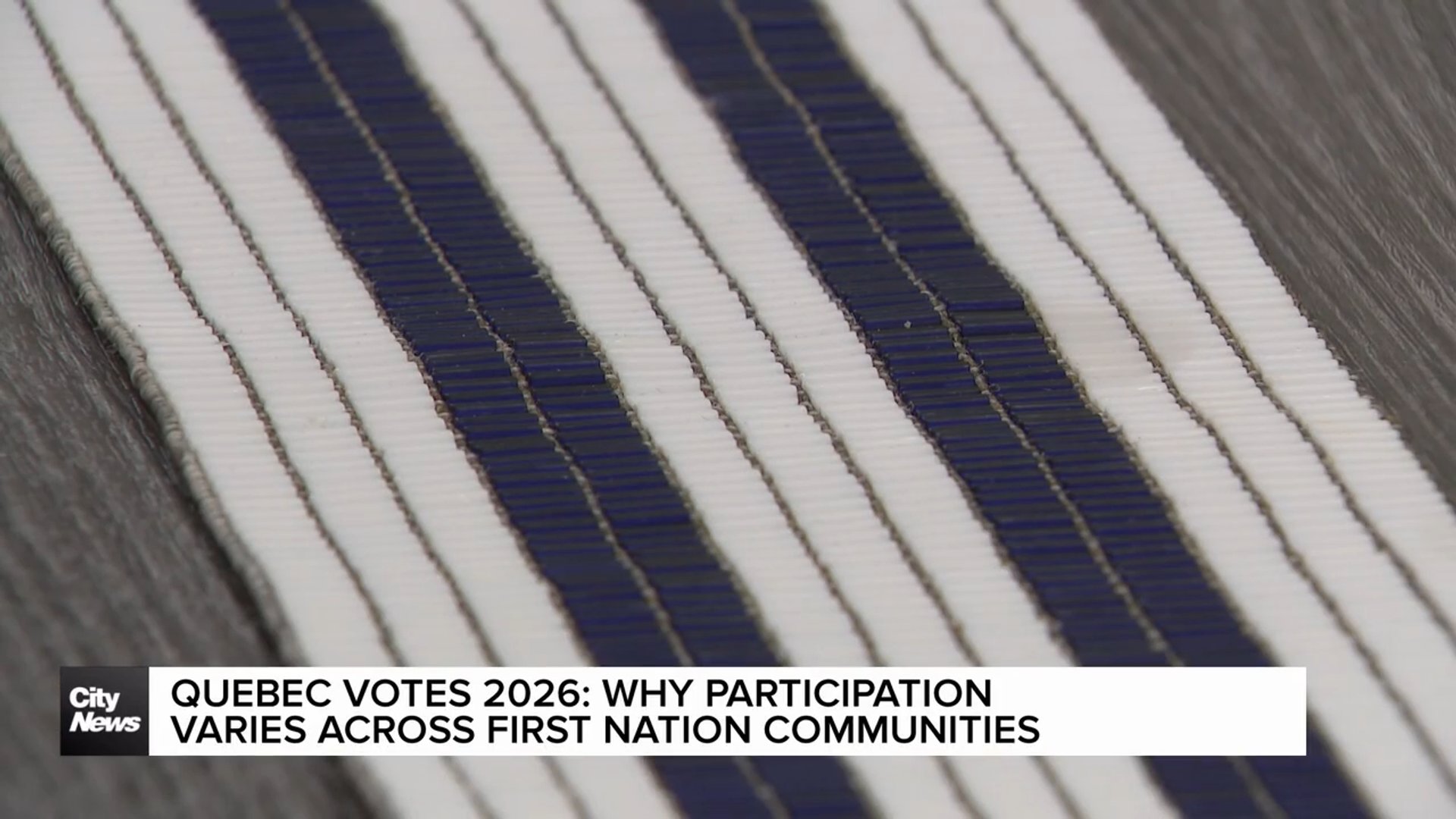
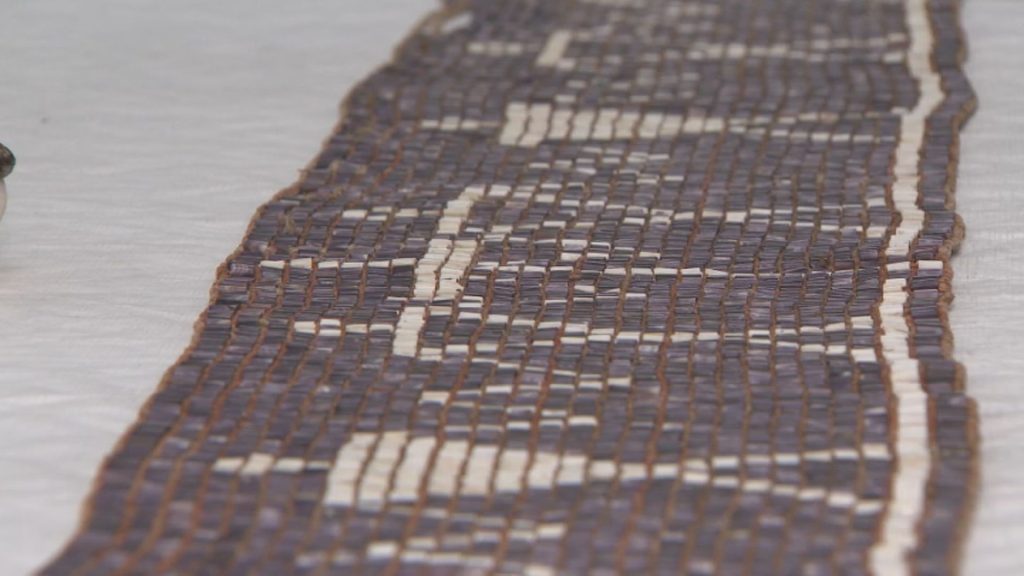
Diabo points to the Two Row Wampum, a centuries-old agreement between the Haudenosaunee and Dutch representatives dating back to 1613. It symbolizes two peoples travelling alongside one another while maintaining their own laws, customs and governments.
“Moving forward but never interacting,” said Diabo. ““That’s why we don’t participate in elections and all that, but what we see with legislation and all that is that they continually jump into our lane.”
The numbers illustrate just how different electoral participation can look from one First Nations community to another.
In the 2022 provincial election, Élections Québec estimated voter turnout in Kahnawà:ke at less than one per cent. Across the Indigenous communities studied by the agency, turnout was just under 15 per cent, compared with about 66 per cent province-wide.
But low participation does not necessarily mean First Nations are uninterested in who governs Quebec.
“People care. First Nations care about the next government,” said Francis Verreault-Paul, Chief of the Assembly of First Nations Quebec-Labrador (AFNQL), which represents 43 member-communities.
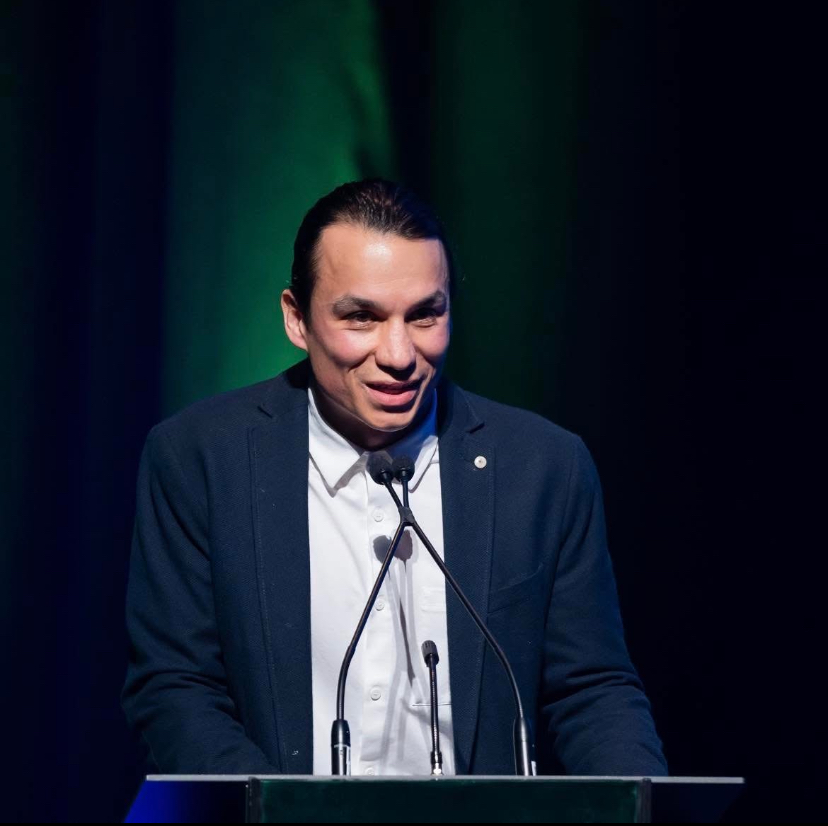
“We do elect our own governments, we elect our own leaders,” he said. “And once they’re elected by our own people, then they have to negotiate or have a relationship with the Quebec government.”
Verreault-Paul says First Nations priorities have received little attention during the provincial campaign. Those priorities include protecting Indigenous languages and cultures and ensuring First Nations have a say in major development and natural-resource projects affecting ancestral territories.
Historical and language barriers
Nadir André, a partner at JFK Law and an expert in Aboriginal law, says the disconnect from provincial politics also has deep historical roots.
“First Nations historically were given voting rights very late in Quebec,” André said. “It was actually in the late ’60s that they were granted that right, so there was no long-term tradition of participating and voting in provincial elections.”
He says another factor is that many issues affecting First Nations have historically fallen under federal jurisdiction, while language can also make participating in Quebec politics more difficult.
“Over 60 per cent of Indigenous people in Quebec use English as a first or second language,” André said.
Élections Québec also identified language as one of the barriers facing some Indigenous electors.
The agency told CityNews that Inuit, Cree and Naskapi communities in northern Quebec received election information, largely via P.O. boxes, in their local languages in addition to French and English.
Julie St-Arnaud-Drolet, a spokesperson for Élections Québec, says the agency’s role is not to convince people to vote, but to make sure those who want to participate are able to do so.
“Some of them have really great voter turnout and others don’t vote at all. And we respect that,” she said. “We just want to make sure that if electors from those communities want to vote, they will be able to do so.”
Different views on Indigenous representation
Indigenous representation on the ballot also remains limited.
According to reporting from Radio-Canada’s Espaces autchtones, of more than 900 candidates running across Quebec, six are Indigenous—about 0.6 per cent.
But Diabo cautions against assuming an Indigenous candidate in provincial politics necessarily represents the interests or political position of a particular First Nation.
“You’re no longer representing your First Nation—or you shouldn’t be—when you enter in Canadian or Quebec politics,” he said.
Verreault-Paul sees another side to Indigenous participation in provincial politics. He points to Manitoba Premier Wab Kinew, the first First Nations premier of a Canadian province, as an example of what Indigenous political representation can mean.
“Something that really inspired me, it’s what’s happening in Manitoba—a premier, a First Nation premier, Wab Kinew’s been elected,” Verreault-Paul said. “I think this is something that I hope will inspire not only First Nations in Quebec, but also Quebecers.”
For Diabo, Kahnawà:ke’s decision not to participate in Quebec elections does not mean the outcome is irrelevant to the community.
Whoever forms Quebec’s next government will still have to work with Kahnawà:ke and other First Nations on issues affecting their communities and territories.
“Please elect somebody who’s going to properly represent you at those conversations,” Diabo said. “I hope that we have a good working relationship. If not, Kahnawà:ke is still going to be here and we’re still going to do what we have to do.”
And if there is any doubt about how provincial elections are viewed by many in Kahnawà:ke, Diabo says the election material arriving in the mail offers a clue.
“If you go to the post office, you’ll probably see them all in the recycle bin right outside,” he said.
“At least we recycle.”