Political crisis: shock gives way to questions among Venezuelans in Quebec

Posted January 4, 2026 4:59 pm.
In the aftermath of the kidnapping of Venezuelan President Nicolás Maduro by the United States, shock and surprise have now given way to questions among Venezuelans living in Quebec.
While they were surprised to learn on Saturday that Maduro had been kidnapped in the middle of the night, some Venezuelans are not surprised that this happened after multiple threats from US President Donald Trump.
“I’m not surprised by what happened, but I am a little surprised by the action that was taken,” said Mario Machado, who arrived in Canada in 2012, on Sunday.
Claudia Carrera, who has lived in Quebec City for 25 years, echoed his sentiments. But once the shock has passed, the watchword for Venezuelans is vigilance.
“We are very vigilant because we don’t know what will happen next. Yesterday we were in shock, but what will happen next?” Machado wondered.
For Carrera, the situation is still far from clear after Donald Trump’s press briefing the day before, in which he spoke of control by the United States.
Vice President Delcy Rodríguez is now acting president following a decision by the country’s Supreme Court.
“It’s very unclear. We talk to people back home and they tell us that no one there knows exactly what’s going to happen. I think the next few days will give us more clues about what to expect,” Carrera explained over the phone.
“We don’t know exactly what will happen next, but we think it can’t be worse than what we had before,” she added.
Renewed hope
For many Venezuelans who have chosen to make their lives outside the country, the upheavals of the last few hours represent hope of being able to see their loved ones or friends who have remained behind.
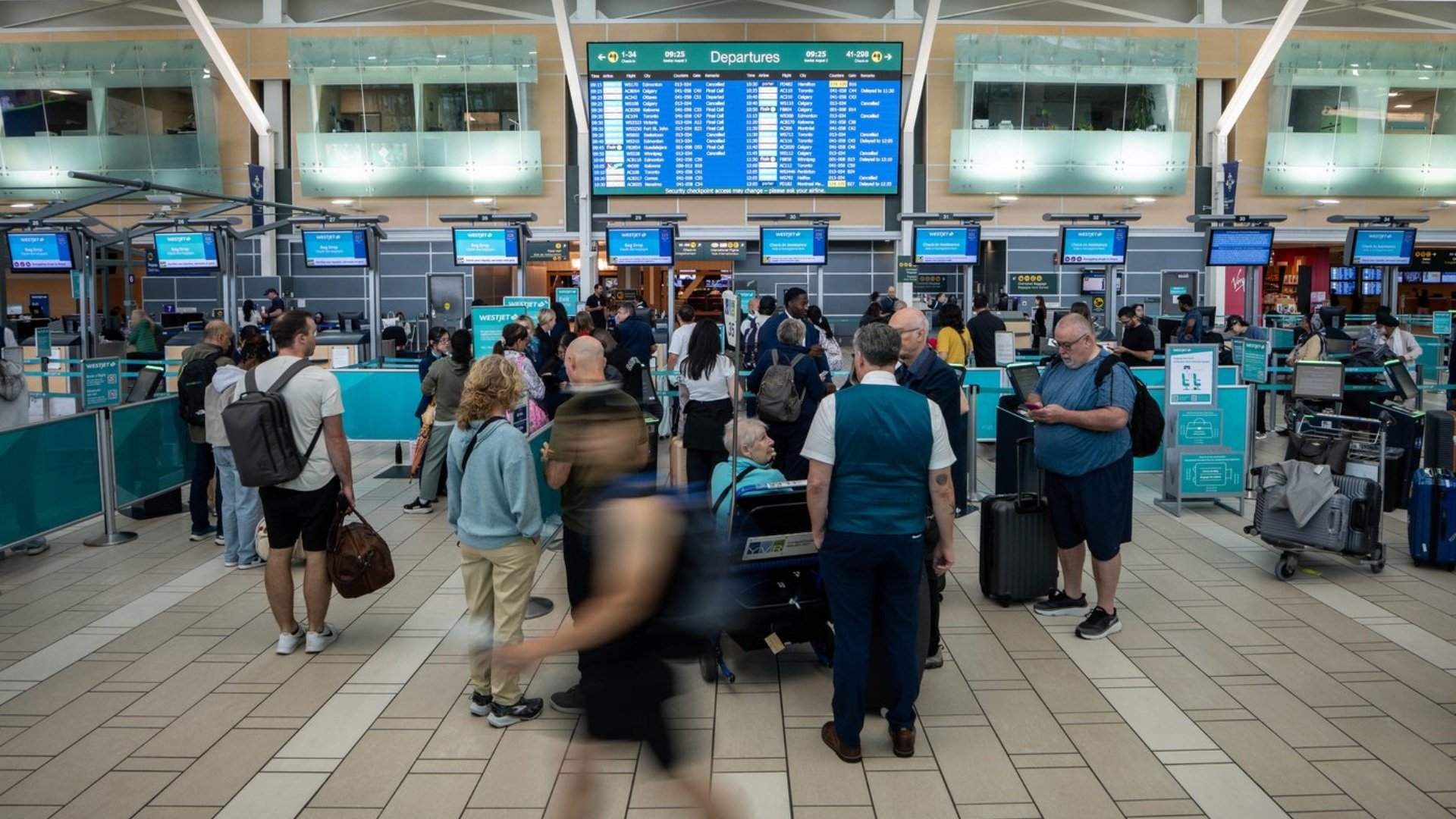
Traveling is particularly difficult for those living in Canada, as it is almost impossible for them to renew their passports since Venezuela closed its embassies and consulates in Canada and the United States.
It is also difficult to find direct flights to their country of origin, said Claudia Carrera, who has not set foot in Venezuela for seven years.
Venezuelans also hope to return to a normal life and see democracy finally established in their country.
“We were waiting for something, a miracle, because we had tried everything else before,” Carrera said. “We tried strikes, we tried demonstrations, we tried for democratic elections, but nothing worked.”
“The only hope we had was that someone from outside would come to our aid,” she said, adding that she hopes the United States will stay for a while before leaving and letting the people run the country.
Questions about immigration
Machado, who is a regulated Canadian immigration consultant, also wonders about the possible changes that could affect some Venezuelans who have arrived in Canada.
Currently, there is an administrative suspension of removals for Venezuelans due to the humanitarian crisis affecting their country.
This means that a Venezuelan who is denied asylum and receives a removal order is not required to leave because of the freeze put in place by the Canada Border Services Agency, Machado explained.
This reprieve allows those affected to qualify for another immigration program in order to ultimately obtain permanent residence, the consultant said.
“For the moment, the administrative reprieve is still in place, but what might happen in the future?” Machado wondered.
When contacted about this issue, the Canada Border Services Agency confirmed that Venezuela is subject to administrative deferrals of removals.
“The CBSA is actively monitoring ongoing developments and will make adjustments as necessary,” it said in an email.
— With files from the Associated Press
— This report by La Presse Canadienne was translated by CityNews