Race-based COVID data can protect most vulnerable: activists
Posted August 29, 2020 2:15 pm.
This article is more than 5 years old.
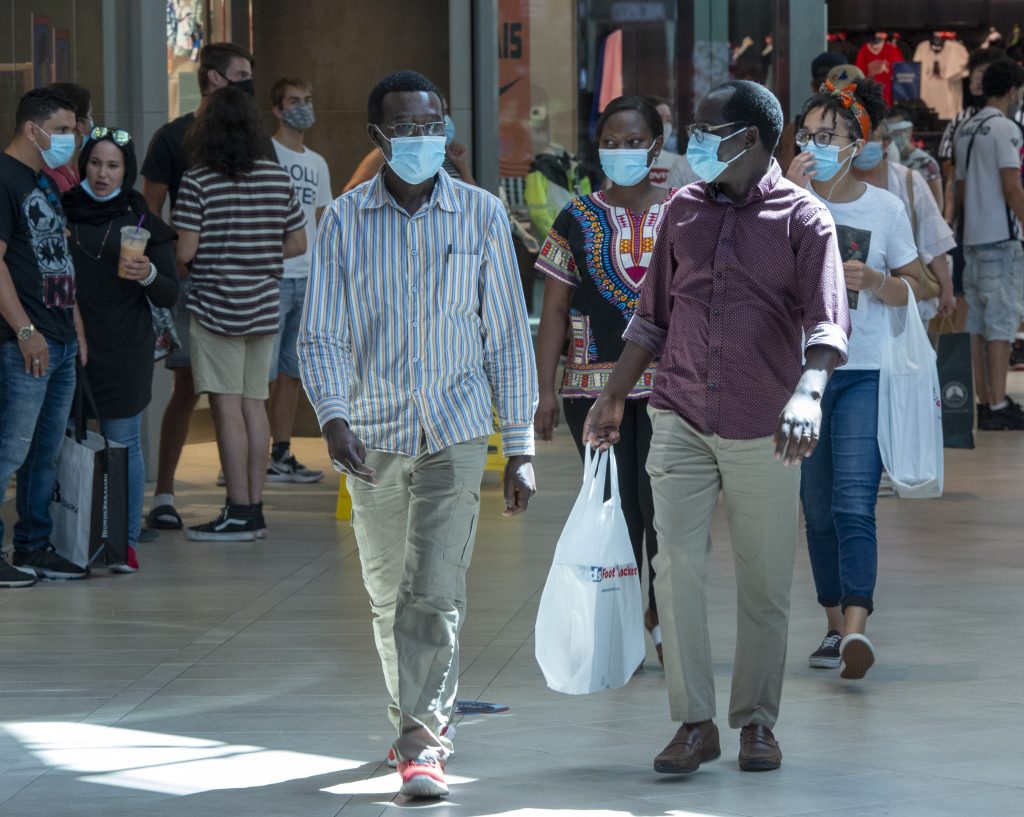
MONTREAL (CITYNEWS) – Montreal community groups are launching a website to collect race-based COVID-19 data after the Quebec government backed down on its promise to do so.
The online platform is called Colors of COVID. The community groups believe race-based data will paint a true picture of those affected by the virus in Canada.
“Are women, are single women, are Indigenous people or LGBTQ+ (being affected)?” said Thierry Lindor, the founder of Colors of COVID. “The colour aspect of the brand itself is really talking about the vulnerable. Instead of Colors of COVID, you could call it the Vulnerable of COVID.
“Is this supported by the Quebec government? Is this supported by the Canadian government? Well if it was, we wouldn’t be doing it.”
Montreal community groups are taking matters into their own hands collecting race-based #COVID19 data after Quebec backs down. The project is called @ColorsCovid @ThierryLindor More at 11pm tonight! @CityNewsMTL pic.twitter.com/nUiNUBcfsW
— Melina Giubilaro (@metamelina) August 29, 2020
The website collects race-based data with questions about a person’s age, gender, skin colour, neighbourhood, job status and state of mental health.
Since the start of the pandemic, the city’s poorest neighbourhoods – like Montreal North and Côte-Des-Neiges – have been hardest hit.
A new study by the Institut Universitaire SHERPA found higher rates of COVID-19 infections within Montreal’s most ethnically diverse and disadvantaged neighbourhoods.
On Aug. 3, Quebec Public Health Director Dr. Horacio Arruda said the province would not collect this type of race-based information.
“I think the issue about collecting information about racism is a sensitive one because of different effects on discrimination,” said Arruda.
Lindor wholeheartedly disagrees.
“It’s sensitive to who?” he said. “Who’s going to get exposed out of this? Who’s going to get help out of this?
“It’s picking only poor people. The common denominator of every single person we collect race-based data on is that they are usually economically disadvantaged, compared to your traditional Caucasian, male 50- or 55-year-old heterosexual.”
For months, local activists have been pushing the government to collect race-based data. They believe it could be used to identify and protect vulnerable communities.
“The government is acutely aware of the inequities that exist,” said Tiffany Callender of the Côte-Des-Neiges Black Community Association. “The question is do they want COVID to be the platform where people can force them to have to deal with them.”
Colors of COVID hopes to collect data in Quebec first, and then across the country over the next year.