Youth protection report does not adequately address race issues: Black community groups
Posted May 5, 2021 4:32 pm.
Last Updated May 5, 2021 6:40 pm.
This article is more than 5 years old.
MONTREAL (CityNews) — Black community groups in Quebec are calling on the provincial government to do more to protect Black children, who are over-represented in youth protection services.
The calls are coming after dozens of recommendations were submitted by Quebec’s special commission on children’s rights and youth protection earlier this week.
The commission made 65 recommendations following a two-year investigation that was prompted by the death of a seven-year-old girl in Granby, Que., in April 2019.
READ MORE: Group of Quebec ministers to review report on youth protection reforms
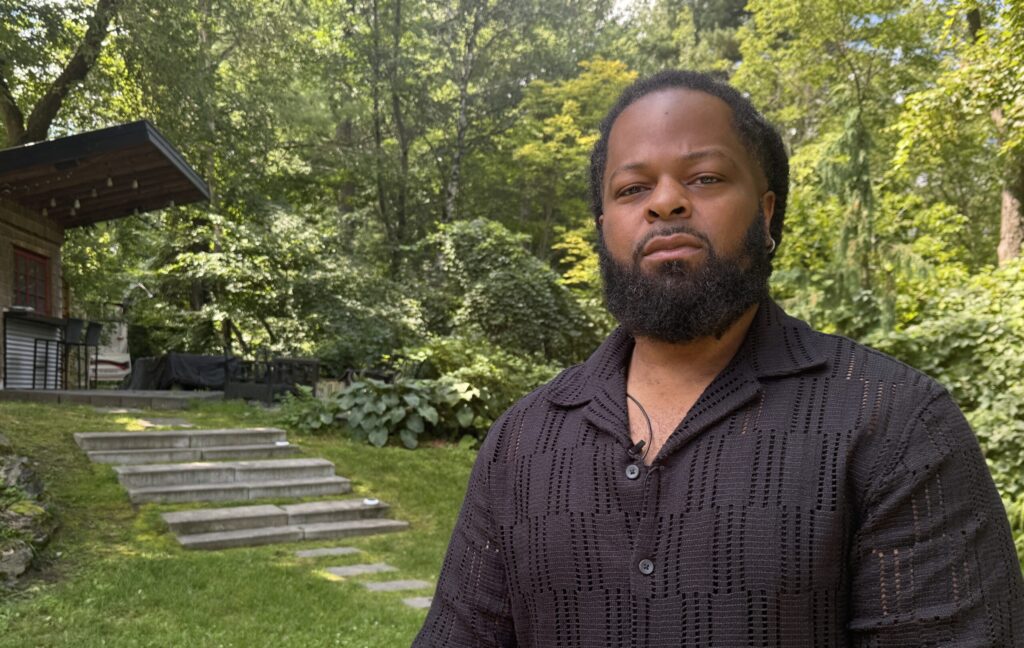
“What we see is children who suffer from trauma being removed from their families not knowing why they’re not being picked up from school or why they’re not going home,” said Tiffany Callender, executive director of the Cote-des-Neiges Black Community Association. “Families in a panic wondering why their children are not being picked up from school and figuring out how to contact the system to figure out where their children are and their wellness.
“What we are saying to the government is that we are here, we have expertise that needs to be recognized. We have a shared lived experience as Black people that we bring to the table. And also we are asking the government that the dynamics of power are taken into consideration when this expertise is brought to the table.”
In Montreal, Black children represent 15 per cent of the population while making up 30 per cent of children evaluated by youth protection.
A recent study by Dr. Alicia Boatswain-Kyte revealed that in 2011, English-speaking Black children in Montreal represented nine per cent of the general population and 24 per cent of children receiving services in youth protection.
WATCH: Quebec government reacts to Laurent Commission report (May 4)
“We’re looking at five times that of white children in regards to placement, in regards to going to court, with regards to coming back to child protection once their file has been closed,” said Boatswain-Kyte, an assistant professor at McGill University. “When we look at what happens after the child protection intervention, we’re seeing even within the criminal youth justice system, we’re seeing they’re more likely to be there than white children.
“Race issues tend to be very colour blind within Quebec … The reality is there is an over-representation within the child protection system but an under representation when it comes to service providers.”
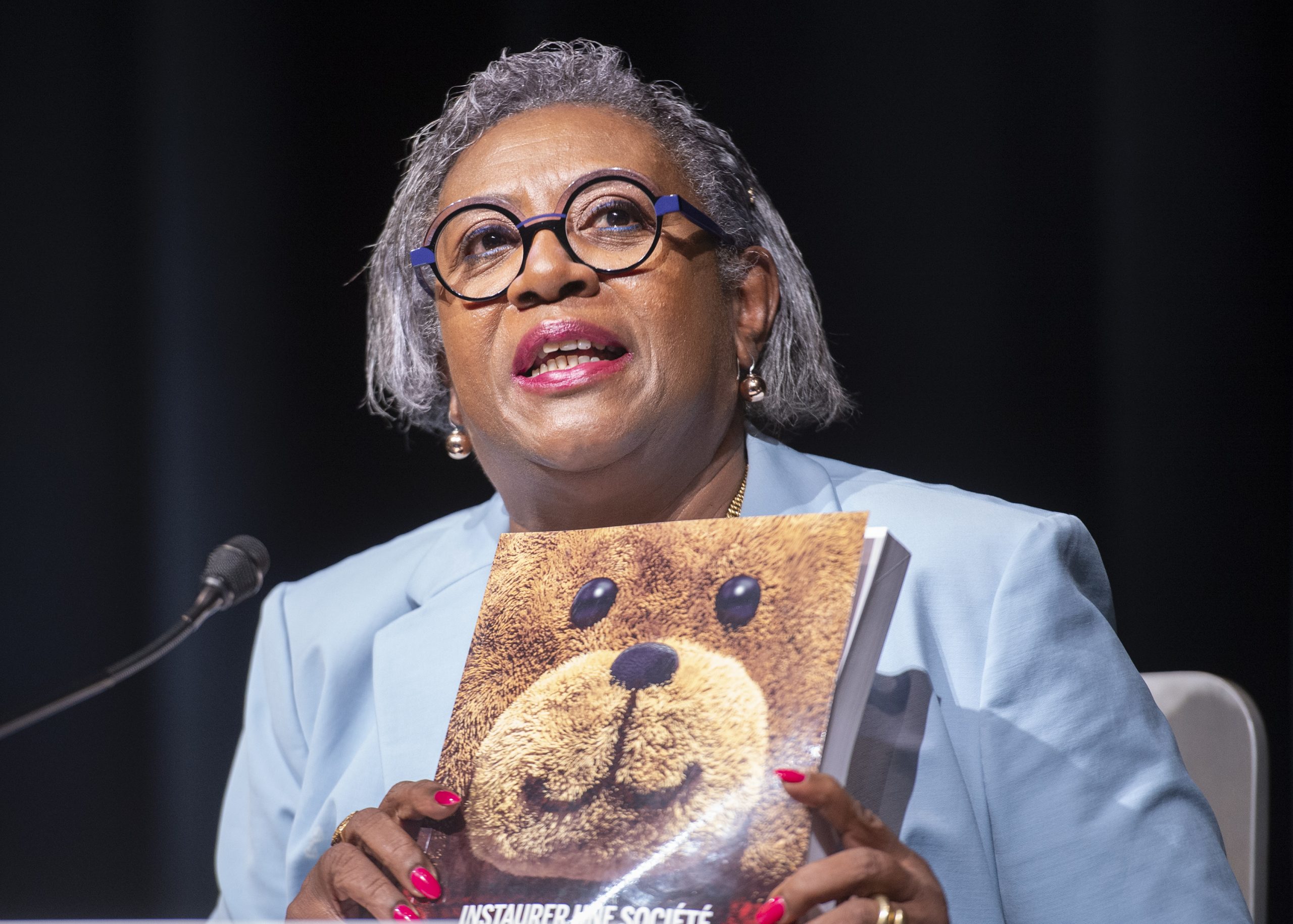
Regine Laurent, President of the Laurent Commission, holds up her final report into Children’s Rights and Youth Protection during a news conference in Montreal, Monday, May 3, 2021. THE CANADIAN PRESS/Graham Hughes
While the Quebec government has maintained systemic racism does not exist in the province, some say the data and the report’s findings are loud and clear.
“It would be preferable for the government to acknowledge that potential bias and systemic racism plays a role in over-representations of Black families in youth protection,” said Callendar. “The data and the experience that we have been bringing to the forefront has been highlighted in this report commissioned by the government.
“Although it is reported or had been reported that this happened with families that are in precarious situations or the lower-economic class, we have seen that this process can happen to any family from the Black community. We have served families where their children have been singled out in schools for things as minor as not having a signed note in an agenda or not having gloves in their pockets during wintertime.
“We have seen situations where simple communications and interventions particularly with schools with families where things could be remedied and would be remedied and addressed differently with other children, we’ve seen overreaction by the schools in engaging youth protection.”