Quebecer who lost father to COVID-19 at long-term care home questions value of public inquiry
Posted December 8, 2021 4:56 pm.
Last Updated December 9, 2021 8:52 am.
Opposition parties in Quebec are calling for a public inquiry into the thousands of deaths of seniors at long term-care homes during the first wave of the pandemic – but the daughter who lost a loved one says it won’t help her move forward.
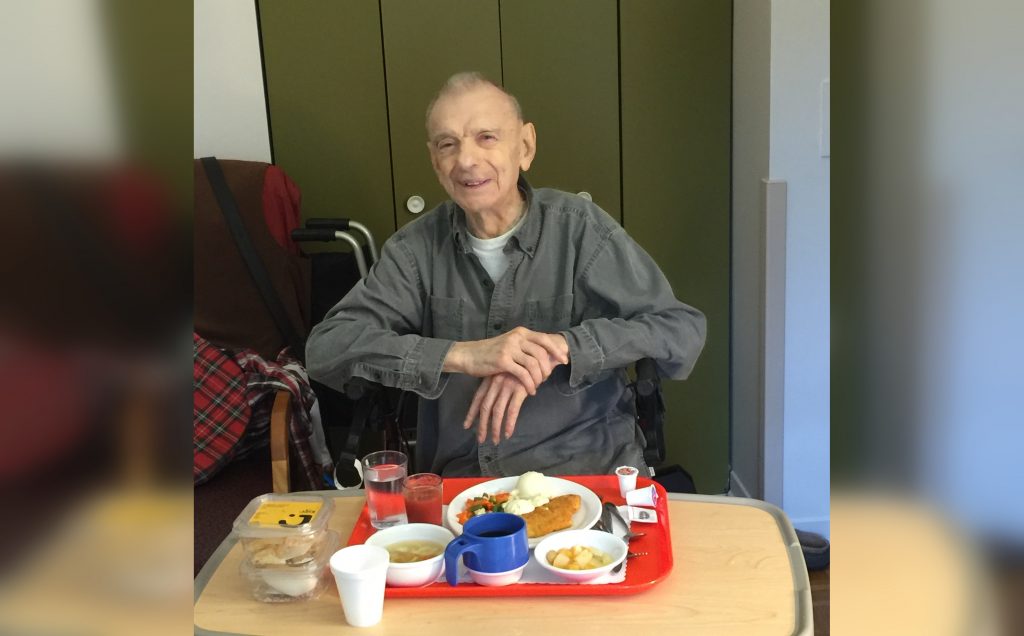
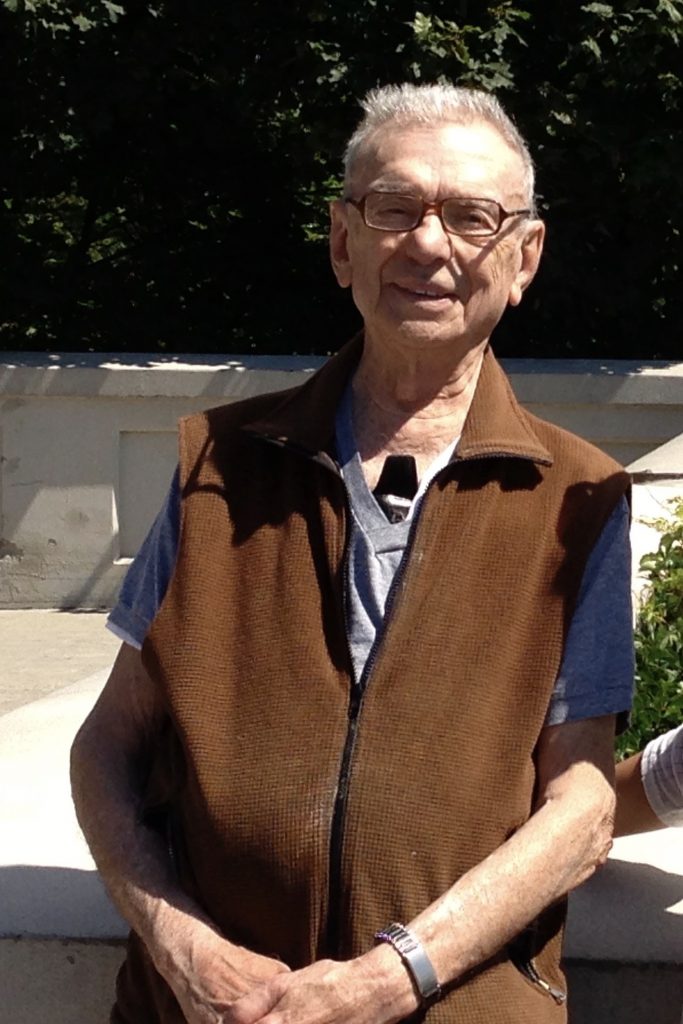
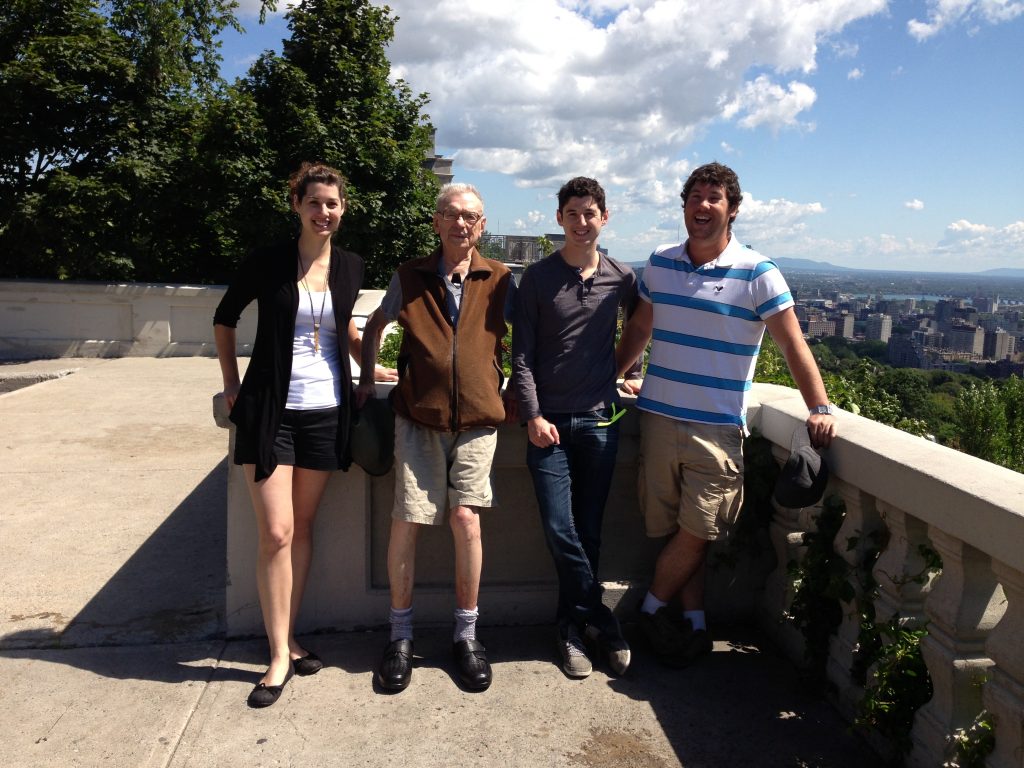
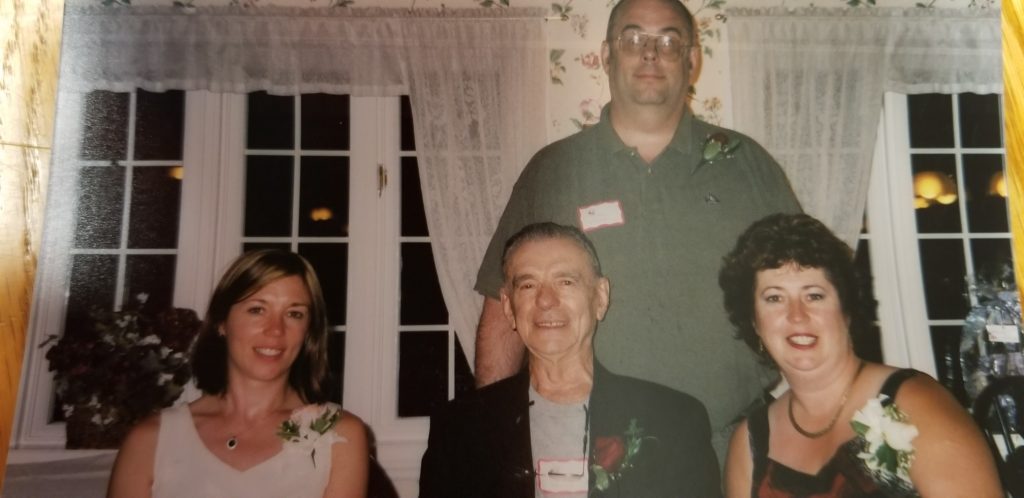
Stanley Pinnell was one of more than 4,000 seniors who lost their lives in public residences during the first wave. He was at Residence Herron in Dorval, where 47 people died in the spring of 2020.
His daughter Moira Davis doubts another public inquiry would lead to answers and concrete solutions.
“I do not know how the Opposition feels that having a provincial inquiry again run by provincial employees, employed by the provincial government, is going to get… to do anything better,” said Davis.
“They’re all playing hot potato. Nobody wants to grab onto it, and nobody wants to admit that they messed this up.”
READ MORE:
- Quebec COVID-19 response hampered by ignorance, shortages: senior health adviser
- Residence Herron manager says staffing problems played role
- Quebec coroner questions why more wasn’t done for neglected Herron residents
- Officials too quick to blame COVID-19 for deaths at Montreal care home: witness
The public inquiry being requested by Quebec’s opposition parties – the Liberals, Quebec Solidaire and Parti Quebecois – would be separate from other investigations already held.
There’s the coroner’s inquest into long-term care, which includes Herron, and the Quebec’s ombudsman report released in November with 27 recommendations, including rethinking how the province provides living spaces for the elderly.
While Davis says a public inquiry won’t bring her father back, she does want someone to be held responsible.
“My dad was originally from Manitoba, moved to Montreal in the late ‘40s. Had his Master’s in physics, really smart guy. He definitely deserved better than what he got at Herron,” she said.
“I want the people who were responsible, and ultimately… (the) Quebec government’s on the hook for this. They’re responsible for how CHSLDs were developed, they’re responsible for how CHSLDs were monitored, recorded, inspected, and they failed miserably.”
Patients’ rights advocate Paul Brunet is also questioning the necessity of a public inquiry.
“We know that it was a total negligence,” he said. “Lack of understanding of the emergency, lack of preparedness, lack of monitoring of what was going on around the world. Do we need a public inquiry on top of that? Personally, I don’t think so.”
WATCH: Family members of victims who died at Herron speak out
One of the differences between a public inquiry and a coroner’s inquest, for instance, is that testimony at a public inquiry could be broadcast on television. While a coroner’s inquest can be viewed online, media is prohibited from showing the images on TV.
Brunet says there may be a political motive behind Quebec’s opposition parties requesting a public inquiry.
“I understand why the Opposition wants to do it,” he said. “You know? Carry on until the next election. Make the government look bad.
“I think he’s (Premier Francois Legault) looking bad already.”
WATCH: Quebec senior’s home Herron won’t face criminal charges over deaths