Advocates call for Quebec GPS tracking for convicted abusers to consider remote Native women in plan
Posted February 18, 2022 5:21 pm.
Last Updated February 18, 2022 6:30 pm.
For many remote First Nations communities in northern Quebec, the no signal icon is very common for mobile devices. An issue the Quebec Native Women Organization says should be considered if the province passes a law that would require those guilty of intimate partner violence to wear new GPS trackers.
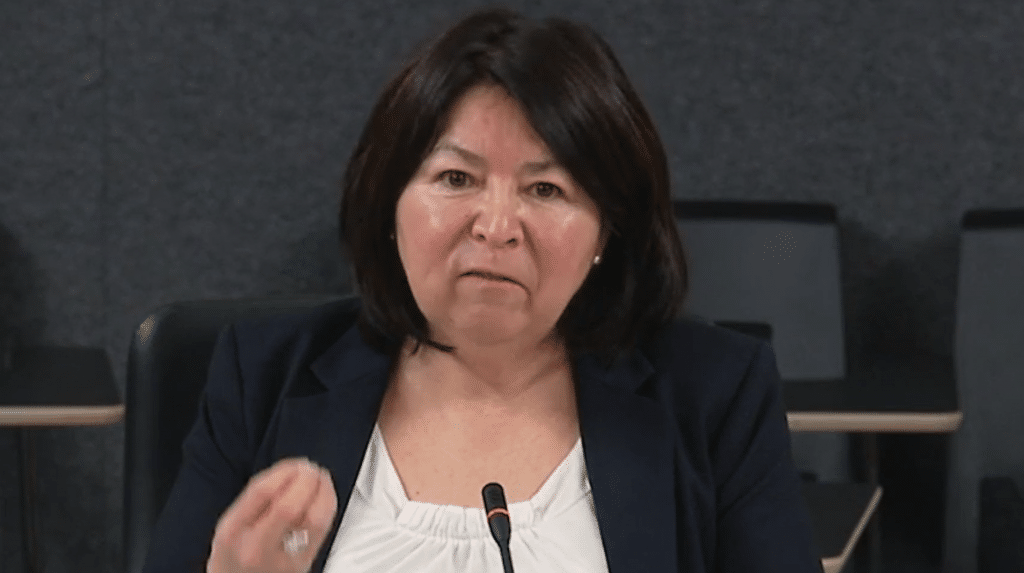
“The issue of broadband will affect the effectiveness of these bracelets, so they won’t be doing what they are set out to do. So it’ll be … maybe a false feeling of protection when your broadband is not 100 per cent,” explained Claudette Dumont-Smith, executive director of Quebec Native Women. “So women may feel that that they are protected by that person having to stay a distance away from them. But in reality, it’s not true. It’s not a true portrayal of the situation.”
Quebec’s proposed Bill 24 – would allow judges to impose an electronic geo-tracking bracelet on convicted abusers. The victims would also carry a device and both would rely on a signal to alert police when perpetrators approach victims.
“I think it will deter violence or repeated violence. I think it’s a good thing and I think the Quebec Native Women support it. However, the reality of northern more remoteness may not have the effect we wanted to have, and it’ll be another tried something tried, but with no positive results or very minimal impact.”
During public consultations on the bill – representatives of Quebec Native Women recommended the province look into how they can serve remote northern communities.
“You have to make sure that the service is provided to everyone and not just as some that are living in, you know, in the in centers where everything is readily available,” added Dumont-Smith.
Quebec native women are asking that the bill be adapted to Indigenous realities are some smaller communities sometimes deal with more violence.
“It’s because of the lack of services, the lack of professional services, the lack of policing services, the lack of transportation services to get those women out of those out of a violent situation.”
If passed, Bill 24 would come into effect this spring. It would make Quebec the seventh jurisdiction in the world to implement this kind of program.
But advocates say more needs to be done, like an open dialogue with the government and Indigenous communities.
“We always think too of our sisters that don’t have the same services or programs or benefits as those living more in southern areas.”