Human rights lawyer speaks on Bill 96 challenge
Posted May 25, 2022 6:57 pm.
Last Updated May 25, 2022 7:32 pm.
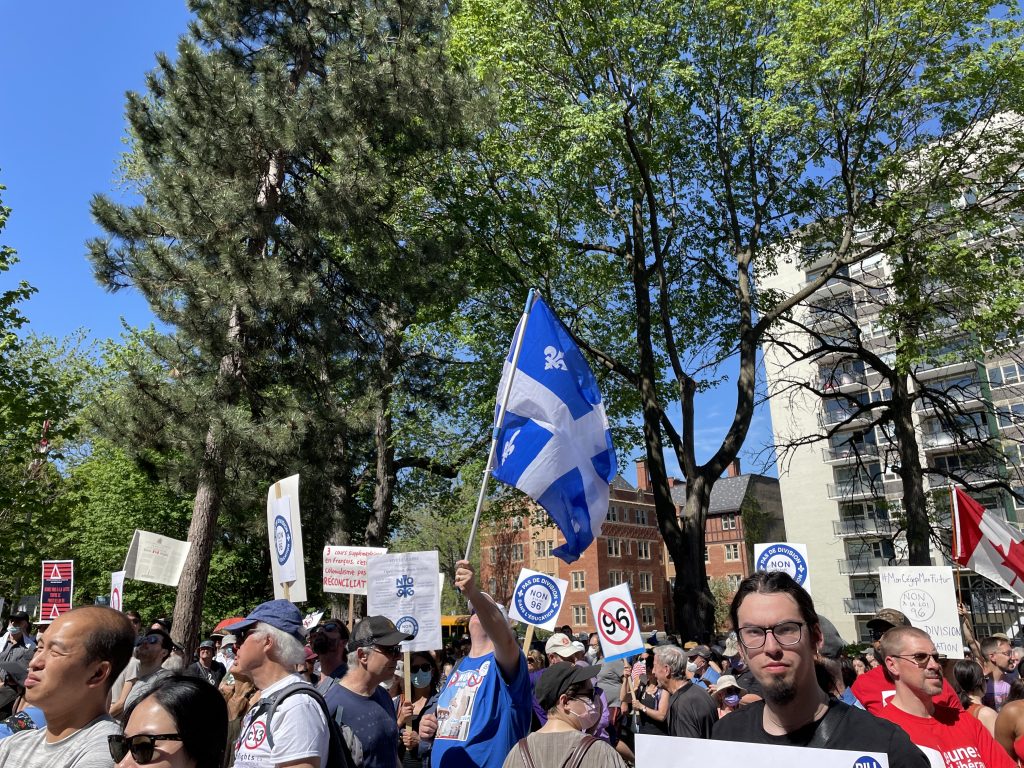
A committee is looking to launch a legal challenge against Quebec’s Bill 96 — the overhaul of its French-language law.
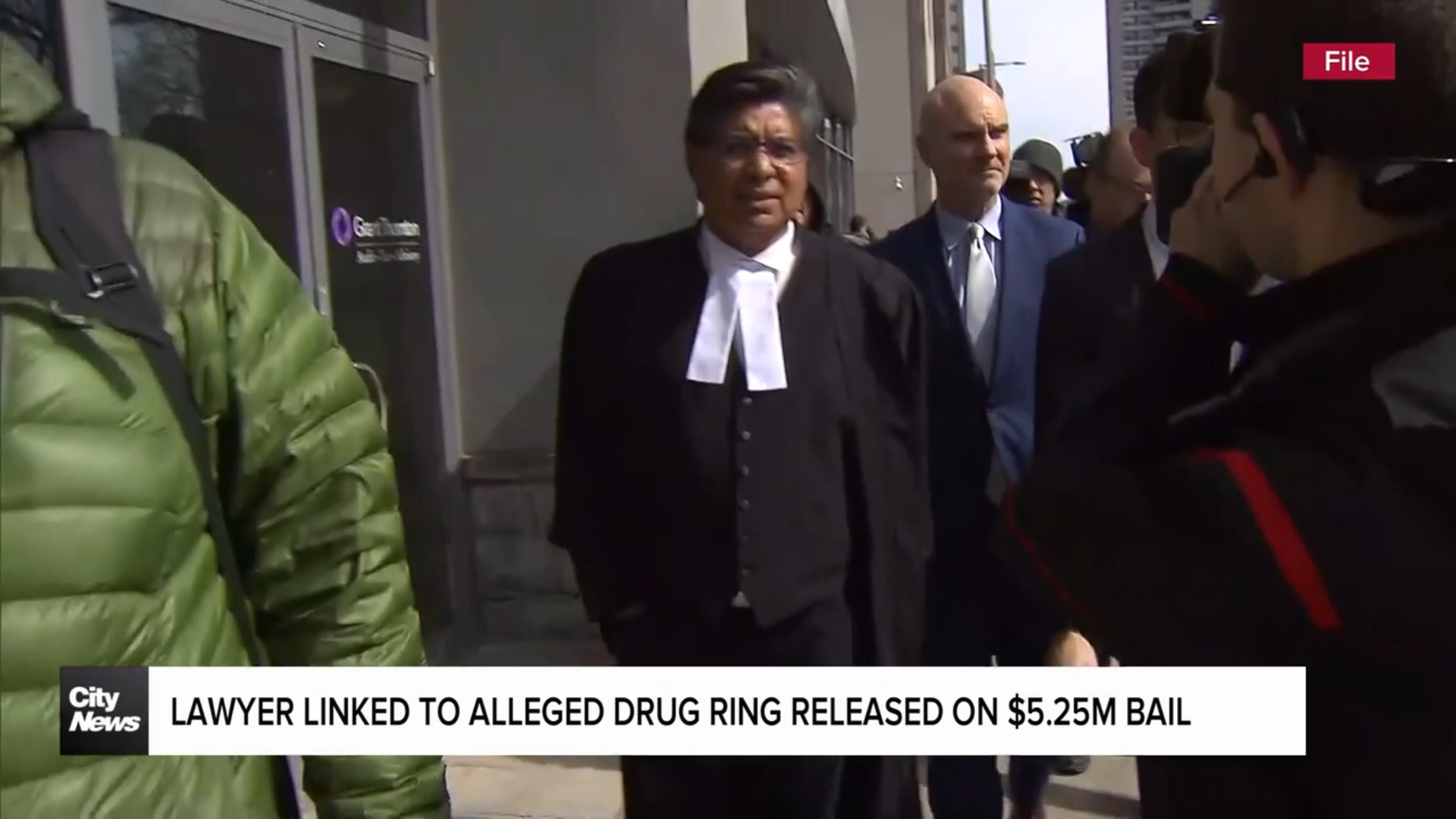
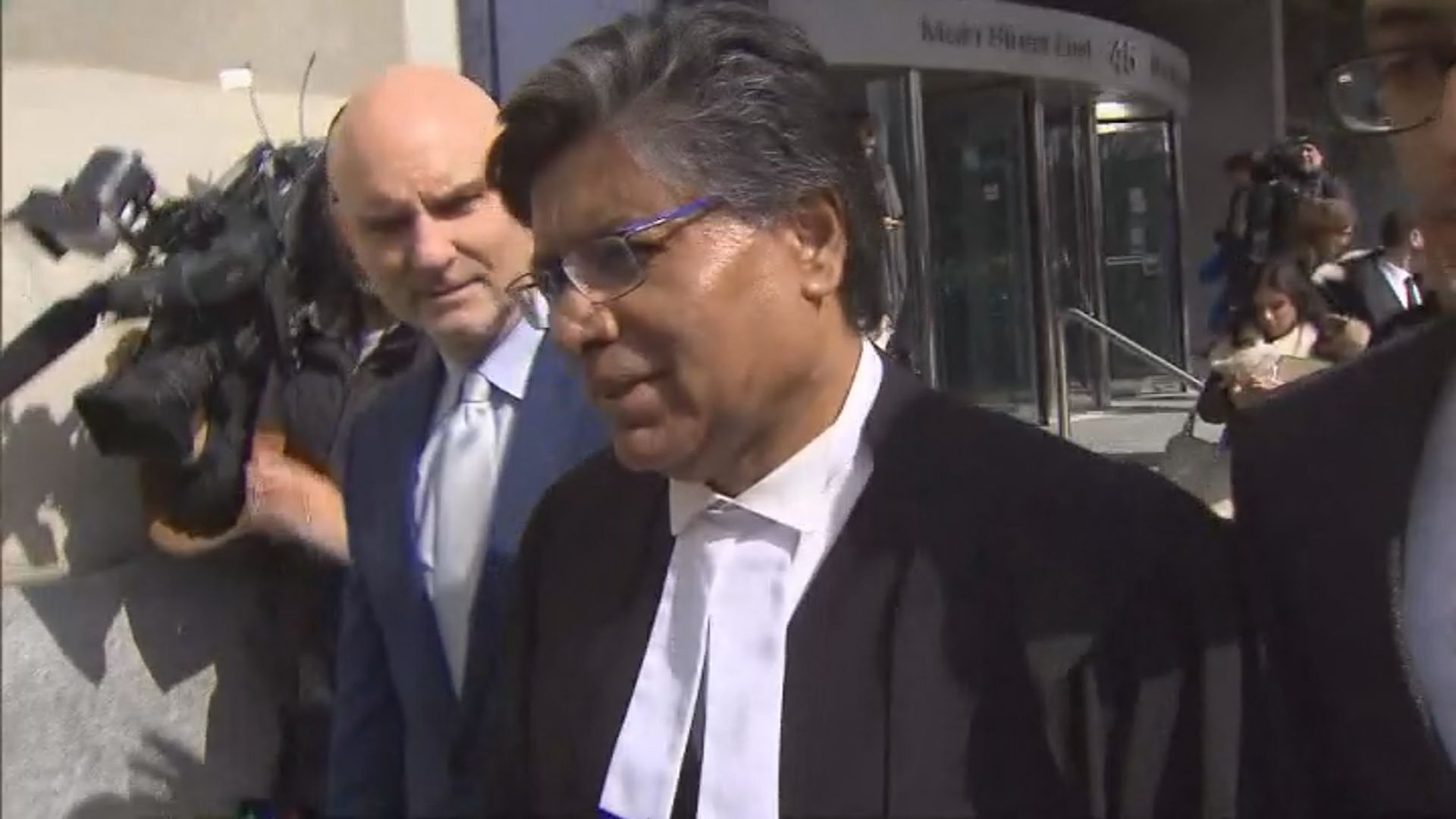
CityNews had the chance to sit down with one of the committee members — a human rights lawyer, Julius Grey — to talk about the challenge and what the challenge might look like.
What will that legal challenge look like?
Well, we don’t know. It’s in the process of being done. It’s certainly going to cover much of the bill. The question we don’t know is whether it’s going to be one challenge or two or three different ones. But that’s become clear in weeks, perhaps in a month.
It’ll be sooner rather than later. But there is no pressure. We want to do it. Well.
Why is something like this necessary?
Well, I think the law is absolutely gratuitous. First of all, I doubt that French there’s any danger to the French. I think, Bill 101, by obliging immigrants to go to French school, has pretty well covered any danger to French.
And if you think about Montreal, 20 or 30 years ago, French was much less established, much more threatened than now. So I think there is no threat. But even if you were to assume that there is some sort of threat, then the measures undertaken have no connection to it.
RELATED:
- Indigenous community looking at next steps after Bill 96 talks break down
- International student decides to leave Quebec after Bill 96 is adopted
- Bill 96 French-language reform officially adopted in Quebec
How does refusing somebody’s service or access to courts or refusing to allow a francophone to use his knowledge of English as a job thing where he can use his knowledge of algebra or his knowledge of grammar or his knowledge of history?
It’s nonsense. It has no connection. And Mr. Jolin-Barrette had talked of the exemplarity of the law.
You don’t pass laws to make an example. You pass laws to improve something. It is safe to say that there is nobody in Quebec Francophone immigrant Anglophone who is going to be better off because of this law, which means that in four years voices will be read saying We didn’t go far enough because we didn’t get anything.
Of course, we didn’t get anything because there was nothing in this law for anybody of any language or any group. So it is dangerous I would call it a dangerous piece of demagoguery.
What arguments will you propose in a legal challenge, and at what instance might you bring this case to the United Nations?
First of all, the arguments on the legal side are clear on the part affecting the courts, because that’s not affected by the notwithstanding laws. But there will be others. There is already a challenge in Bill 21 of the use of the notwithstanding clause as far as bringing it to the international court specifically have to exhaust internal remedies.
So you have to go all the way to the Supreme Court. But afterwards, you can go to the United Nations Human Rights Commission. And there’s a precedent. We did that in the Bill 178 case when Mr. Bourassa invoked the not the standing clause to maintain union lingual sign, commercial sign.
And we won. And Bourassa and Claude Ryan complied. Once they got an international judgment saying this is wrong, they went along with it. And so obviously the notwithstanding clause is vulnerable before the international courts. But I think this law is so dangerous and so, so useless that it is necessary to protect against abuses of power of this sort.