Flames, flooding and ice: expert predicts another year of weather extremes for Quebec
Posted December 30, 2023 10:21 am.
Last Updated December 30, 2023 6:30 pm.
From torrential downpours and tornado watches to an ice storm, Quebec saw weather extremes in 2023.
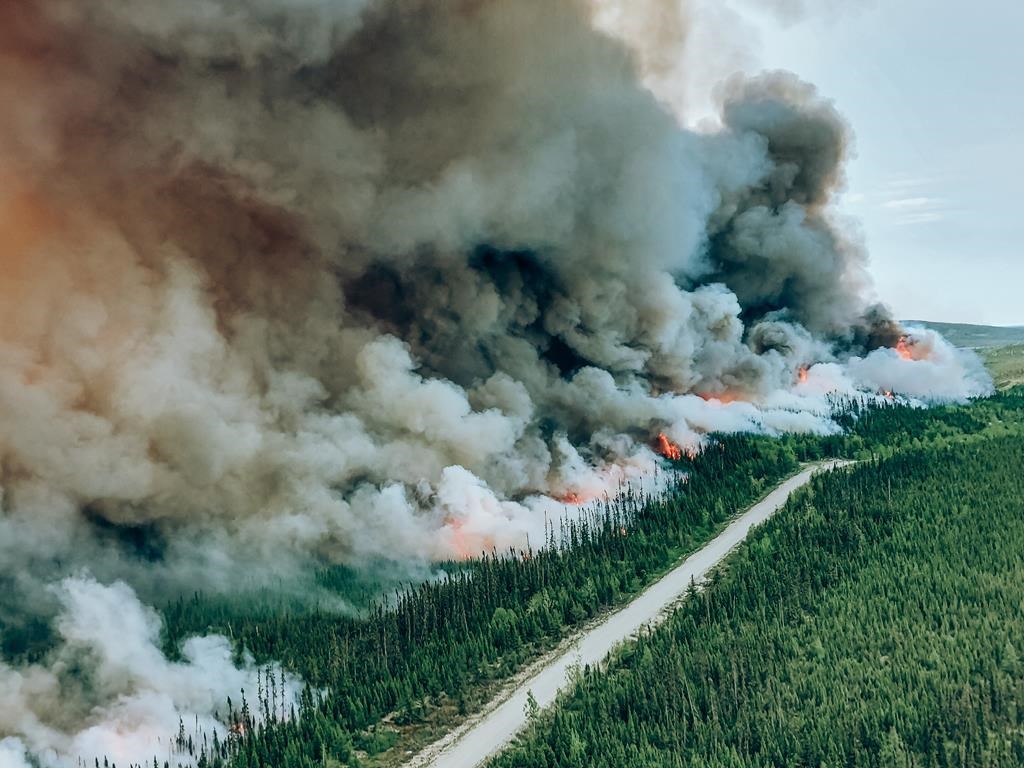
But nothing was quite devastating like the wildfires in the northern part of the province.
Wildfires disrupted the lives of thousands – in Quebec and across Canada – and shattered records for the amount of forest burned.
The fires, which consumed an area three times the size of Nova Scotia, were dubbed The Canadian Press story of the year. They were the top pick among 97 editors in newsrooms across the country, ahead of inflation and the housing crisis.
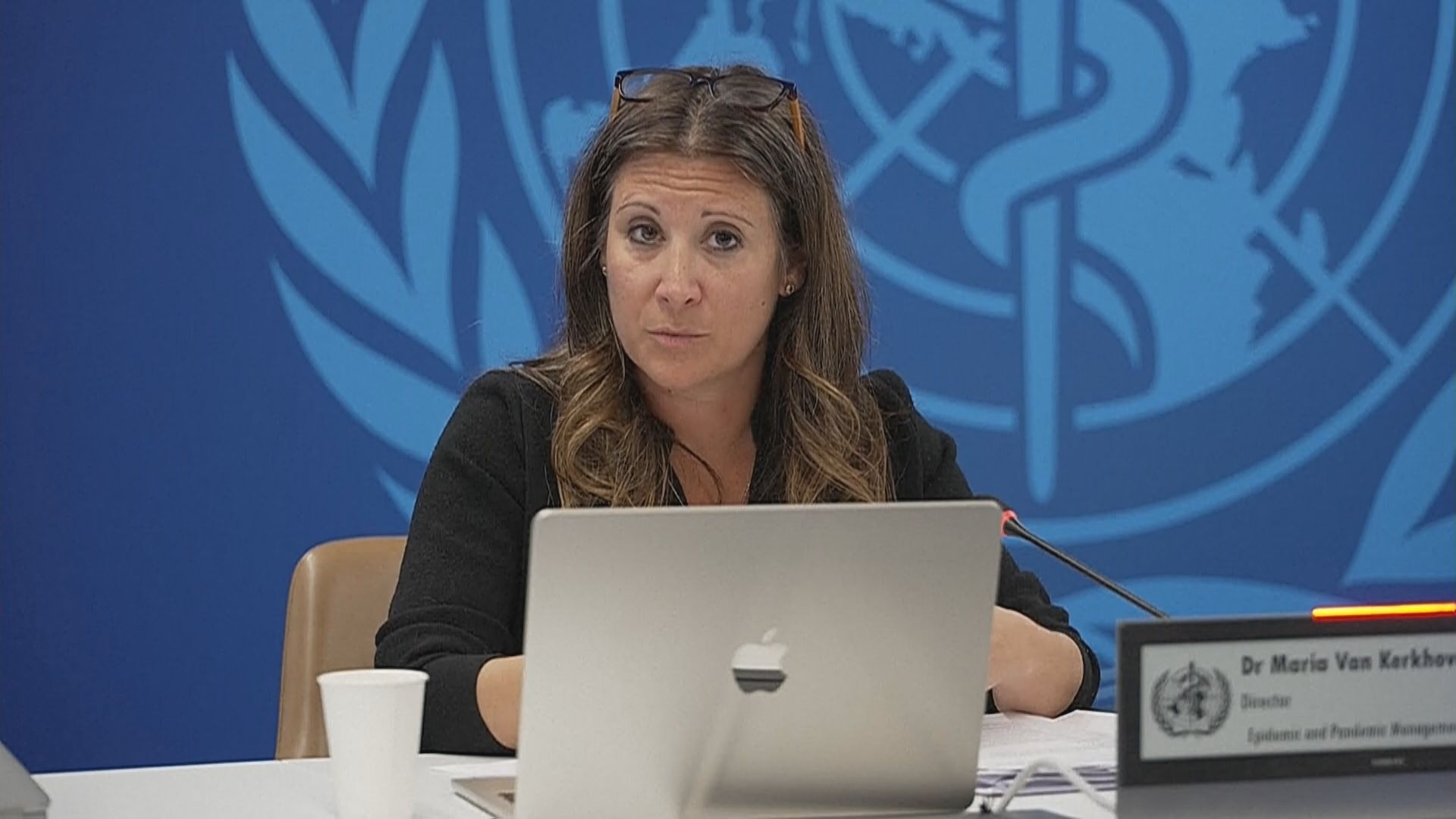
“We had the record-breaking warm month of June… which was the perfect setup to have forest fires,” said Alain Bourque, the executive director of Ouranos. “Just a few thunderstorms with little rain – sufficient lightning to start and then nothing to stop them.”
From June 1-25, more land burned in southern Quebec than in the previous 20 years combined, according to Natural Resources Canada, leading to a 460,000-hectare fire – the single largest ever recorded in the province.
Thousands of firefighters – many from abroad – were called in to help battle the blazes.
Flames from Quebec wildfires sent thick smoke to the southern, northern and western parts of the province, and smog warnings were often in effect for its major cities. Montreal recorded the world’s worst air quality on June 25.

Wildfire smoke even made its way into the United States and across the Atlantic Ocean to northern Europe.
“It’s a year for the record book,” said Bourque. “Unfortunately, there will be more of record breaking in the upcoming year.”
Power’s out: April ice storm
Those smoke-filled skies in Montreal came two months after a very different weather extreme: freezing rain that devastated the city.
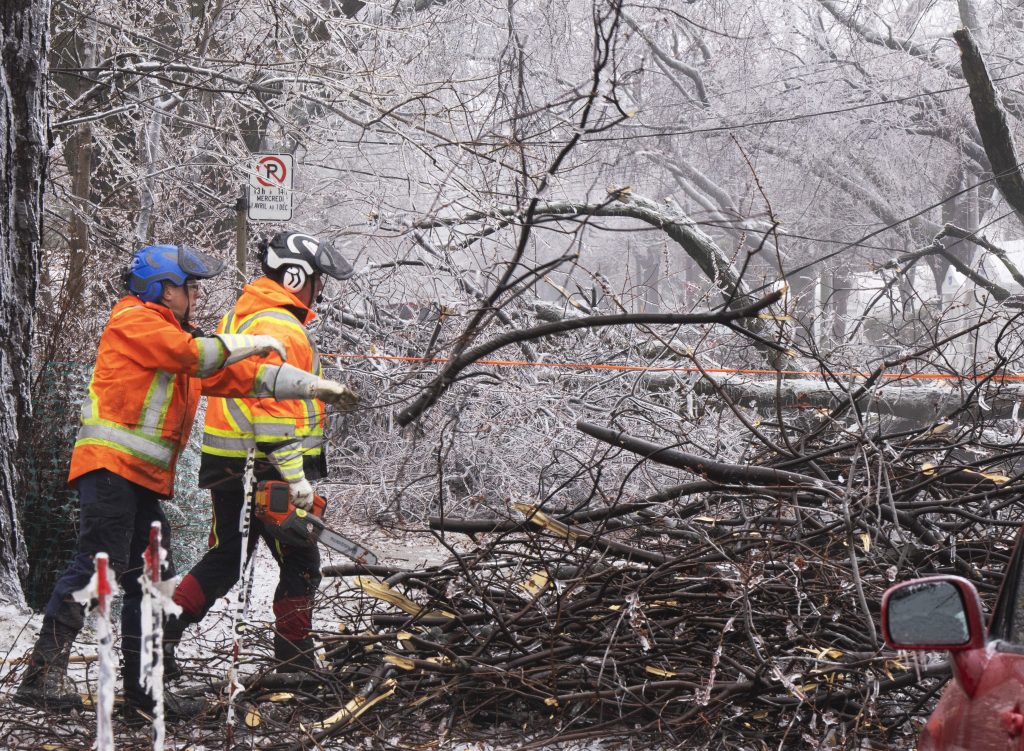
The first week of April saw a fierce ice storm that left more than one million customers in the dark and led to the death of a man who was crushed by a tree.
Freezing rain sent ice-laden tree branches crashing onto power lines, streets and cars, knocking out electricity to homes and businesses. More than 1,100 Hydro-Québec workers were on the ground across the province to restore power.
Houcine Kourri was among the many Montrealers who lost power.
“We wanted to go to the hotel for five days,” recounted Kourri. “None of them were open, and the ones that were open, they were full of people too.
“I was like surprised to get the effect of it here in Montreal and we got it from many days.”
Kourri’s first reaction was that he needed to buy a generator. The second was to leave Canada.
“The first storm, I spent it in a plane waiting here in the airport for like more nine hours and we didn’t get the plane. So we waited for another day to go to Qatar,” he said.
Kourri was affected again in July when a severe thunderstorm ripped through Montreal, dumping a month’s worth of rain in a matter of two hours. Streets and basements were flooded. Some were caught on highways and underpasses, trapped in their vehicles.
“I got flooded. Just fixed my basement this month,” Kourri told CityNews.
Bourque, a former climatologist, says it’s never been typical for Montreal to experience such types of extreme weather. But it could become more common.
“We’re not in the U.S., we’re not used to seeing tornadoes or heavy rain,” Bourque said. “For example, now because of climate change, this is a bit creeping up to the north, but our infrastructure is not used to this.”
Bourque says weather patterns are only expected to stabilize in 2025.
“This year is exceptional that we do have climate change, but we also have a strong El Niño adding to this,” he said. “So hopefully El Niño will abate during 2024, probably 2024 is going to be also very close to 2023, close to a record year.”