Mpox spreading in Africa due to ‘failure’ from rest of world, says Canadian infectious disease specialist
Posted August 19, 2024 5:08 pm.
Last Updated August 20, 2024 11:04 am.
An infectious disease specialist believes the world is failing to help contain the spread of the virus formerly known as monkeypox.
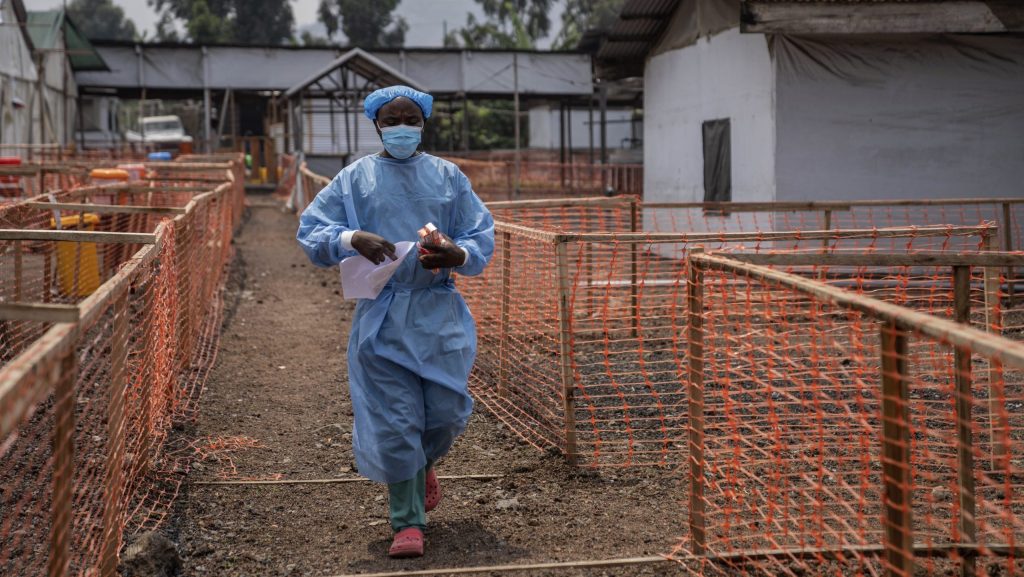
Cases of mpox, as it’s now known, have been confirmed among children and adults in more than a dozen African countries – with most cases in Congo.
A new form of the virus is spreading, prompting the World Health Organization to declare a global emergency last week.
Isaac Bogoch, an infectious disease specialist at Toronto General Hospital, believes the international community needs to step up in a big way.
“Most of the cases are in the Democratic Republic of Congo, but because this outbreak has been left unchecked, because there has been such a failure for the global community to support the DRC in terms of mobilizing vaccines and therapeutics, this outbreak has certainly mushroomed, and it’s now impacting other countries in the region,” Bogoch told CityNews.
Congo will receive the first vaccine doses to address its mpox outbreak next week from the United States, the country’s health minister said Monday.
And Canada announced it will provide $1 million to the World Health Organization to improve detection and reporting systems for mpox, such as boosting laboratory testing and speeding up research, according to Foreign Affairs Minister Mélanie Joly’s office. The funding builds on Canada’s $2-million contribution to the WHO to respond to health emergencies worldwide.
The African Centres for Disease Control and Prevention has asked Canada to donate some of its stockpile of mpox vaccines, though Ottawa has only said it’s looking at how it can help.
“The piece of it that I am really concerned about is what is going on, and what has been going on in the endemic parts of the world, not only for decades, but certainly in the last 18-20 months,” said University of Manitoba virologist Dr. Jason Kindrachuk.
WATCH: WHO declares mpox outbreak a global health emergency
The mpox virus spreads in different ways: from person to person; from contact with contaminated objects; and from animals to humans.
“People present with fevers, they might have some swollen lymph nodes, but there is a pretty classic rash associated with this, with some really painful lesions on the body, causes significant morbidity and even mortality sometimes,” said Bogoch.
The WHO has reported over 17,000 mpox cases and more than 500 deaths worldwide this year.
Mpox risk low in Canada: PHAC
The Public Health Agency of Canada says the risk of mpox remains low in Canada.
“From a global scale, my concern is more about the perspective of that we need to ensure people have not lost sight that mpox is still circulating in the community and that if they are at an increased risk for infection or have had exposures, that they should go get health care access,” Kindrachuk said.
“If you’re in a high-risk group, or in a group that’s at an increased risk for infection, go out and get vaccinated. If you’re concerned about symptoms, please go, and seek health care or assistance for testing.”
–With files from The Associated Press and The Canadian Press