Unmarked graves: Supreme Court won’t hear Mohawk Mothers appeal over McGill expansion

Posted January 17, 2025 4:05 pm.
Last Updated January 17, 2025 6:18 pm.
The Supreme Court of Canada has rejected an appeal from a group of Indigenous women known as the Mohawk Mothers who wanted greater oversight over the search for suspected unmarked graves on a McGill University construction site in Montreal. Canada’s highest court did not give a reason for its decision which is custom.
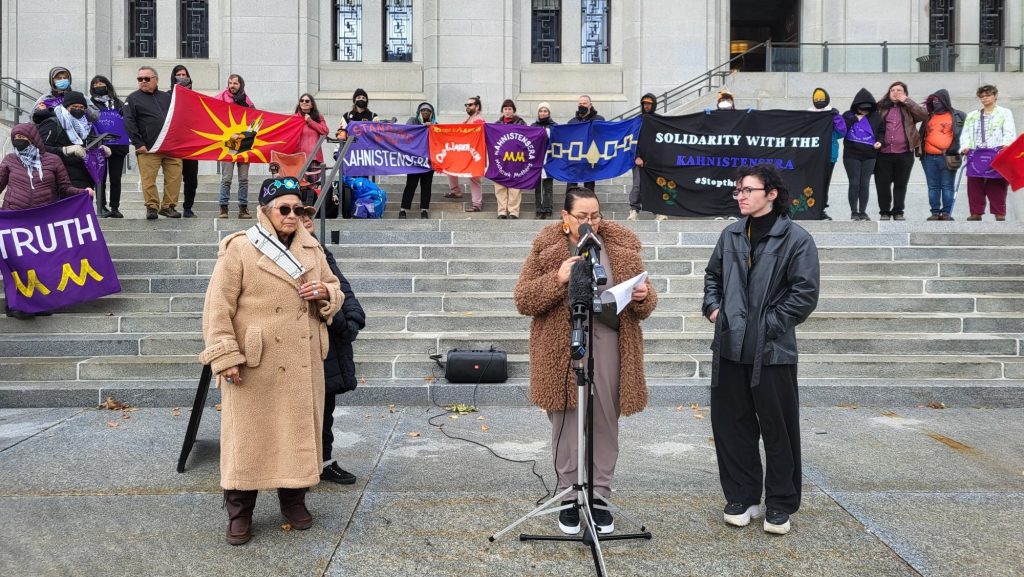
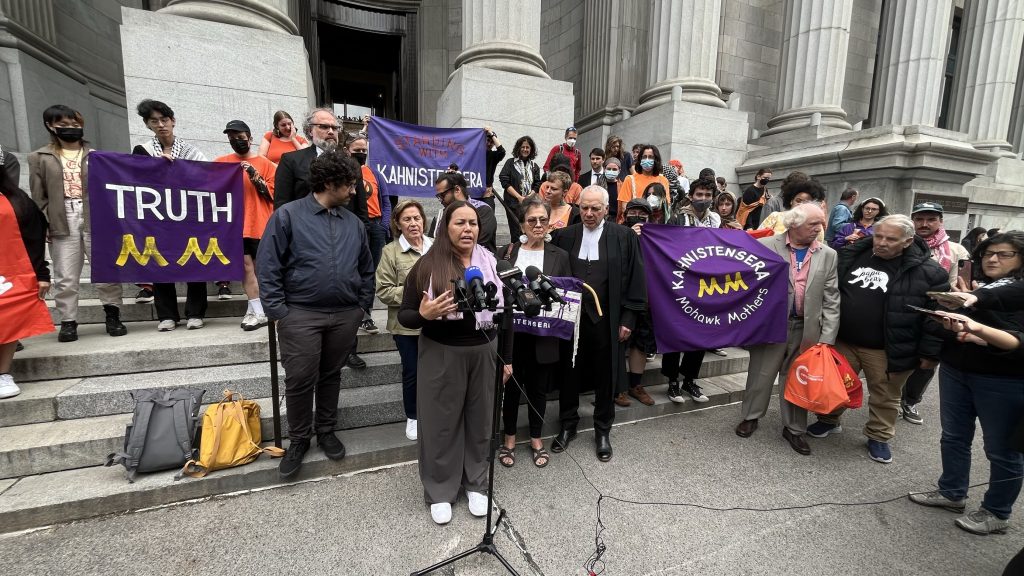
“Somewhat disappointing, but at the same time it was expected,” said Kwetiio, one of the Kanien’keha:ka Kahnistensera or Mohawk Mothers.
“Contrary to what this means to us, this case is not over by far. We still have the merits of the case and it’s just something that we need to continue to work on.”
In a written statement to CityNews, McGill University says that they welcome the Supreme Court decision, one that allows for previous agreements and the spirit in which they were written to stand.
“As a reminder, in the case of the New Vic project, McGill, the Société québécoise des infrastructures, the Mohawk Mothers and other parties to the project signed an agreement in April 2023. Among other things, the agreement lays out a process by which the archeological work is done on the site,” read the statement.
“McGill has respected the spirit and the letter of the agreement since its inception. It is important to note that, to date, neither human remains, nor any type of unmarked grave have been found on the former Royal Victoria Hospital site.”

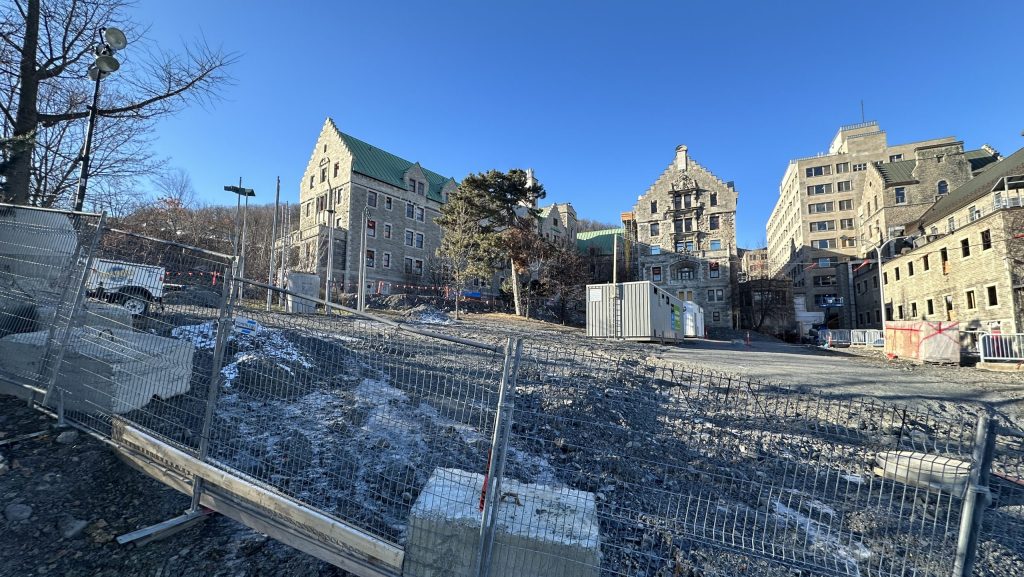
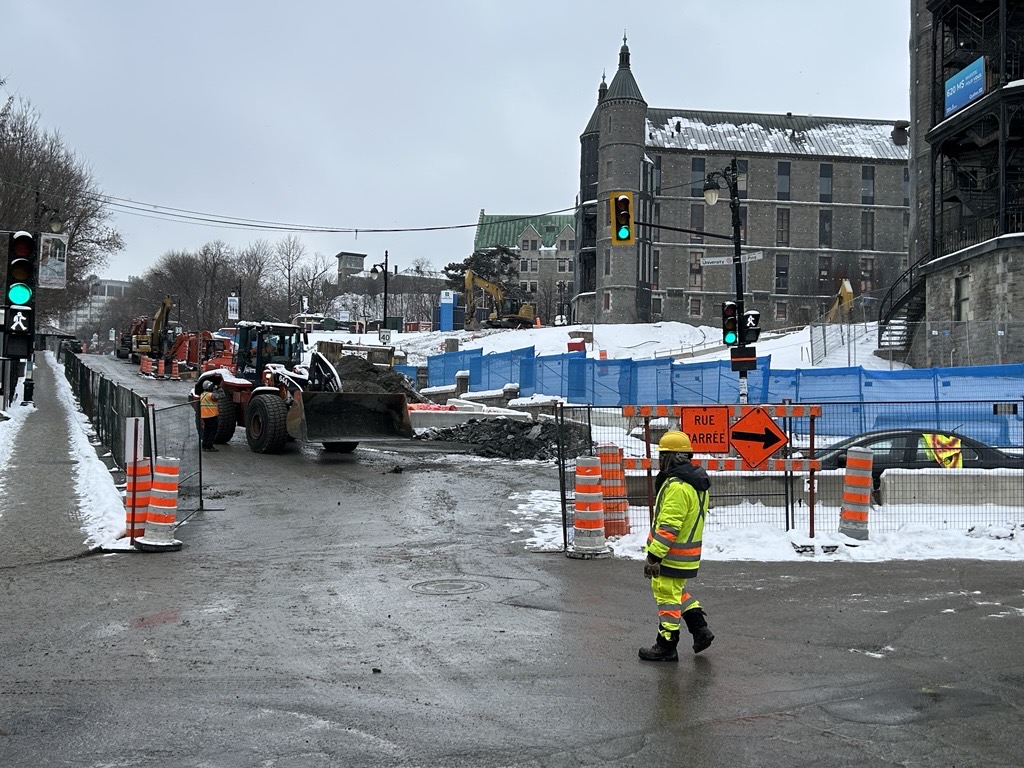
The Mohawk Mothers allege that there could be bodies of Indigenous child patients buried on and around the grounds of the former Royal Victoria Hospital, which has been vacant since 2015 and which McGill University is renovating to transform into a new research and teaching hub.
The group said their claims stem from interviews with survivors of mind-control experiments that took place in the 1950s and 1960s at a psychiatric clinic called the Allan Memorial Institute, which was affiliated with the hospital. Canada and the United States funded abusive psychological experiments on vulnerable patients under the MK-ULTRA program, which included experimental drugs, rounds of electroshocks and sleep deprivation.
The Mohawk Mothers said they weren’t surprised with the dismissal. “This announcement stemming from the very same colonial legal system that enabled our genocide comes as no surprise to us as Indigenous people,” they said in a written statement.
“Even though Canada and Quebec promised us truth and reconciliation, we are still unable to have their courts acknowledge our most basic rights, including the right to investigate crimes committed against our ancestors.”
RELATED:
In a written response to CityNews, the SQI – the province’s infrastructure agency – says that they are committed, in good faith and in a rigorous manner, to conduct and continue archaeological research accompanied by experts in the field.
In October of last year, the Mohawk Mothers filed a motion with the Supreme Court of Canada for the search for unmarked graves to be overseen by a panel of experts.
This recent Supreme Court decision is likely not the end of legal battles for the Mohawk Mothers concerning how the search is conducted on the construction site.
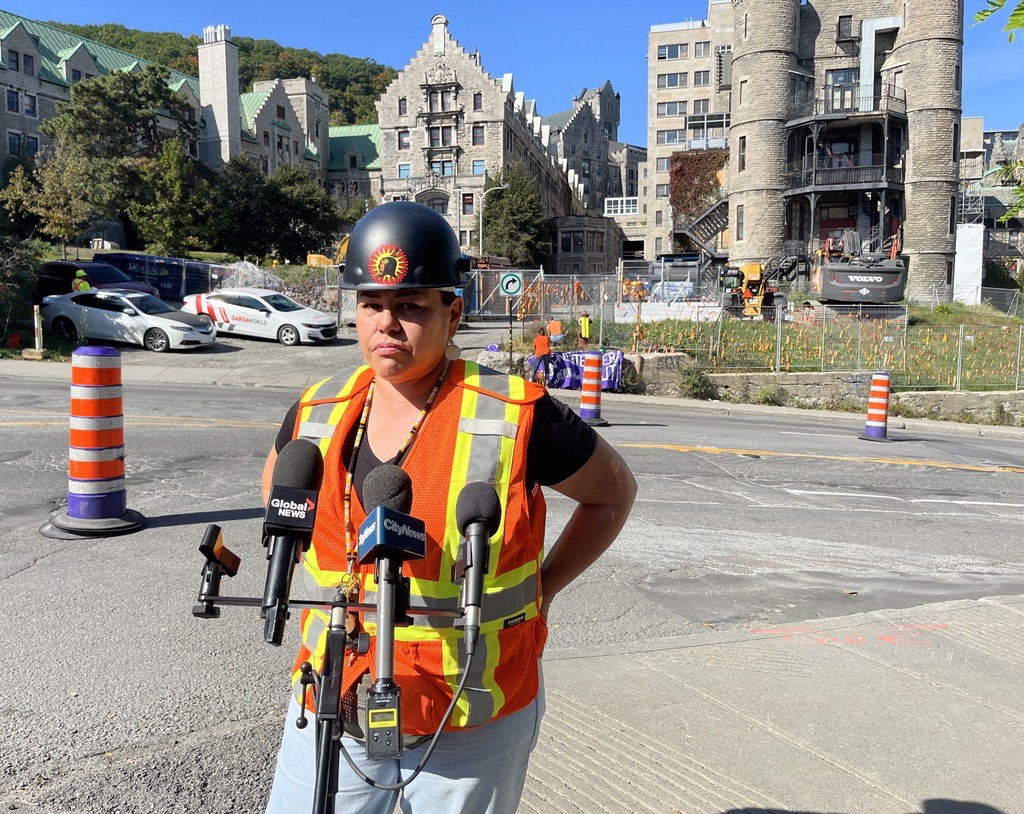
“The Mohawk Mothers are presently considering options outside of the civil court system within the criminal court system because desecration of human remains by way of mechanical excavation is considered criminal under the criminal code,” said Phillipe Blouin, an anthropologist accompanying the Mohawk Mothers.
Kanien’keha:ka Kahnistensera added, “At this point what our main focus is is to have those things not excavated in a manner that would deteriorate, like Phillipe was saying, that would deteriorate the evidence that is there. Desecration of graves, that’s a criminal offense.”
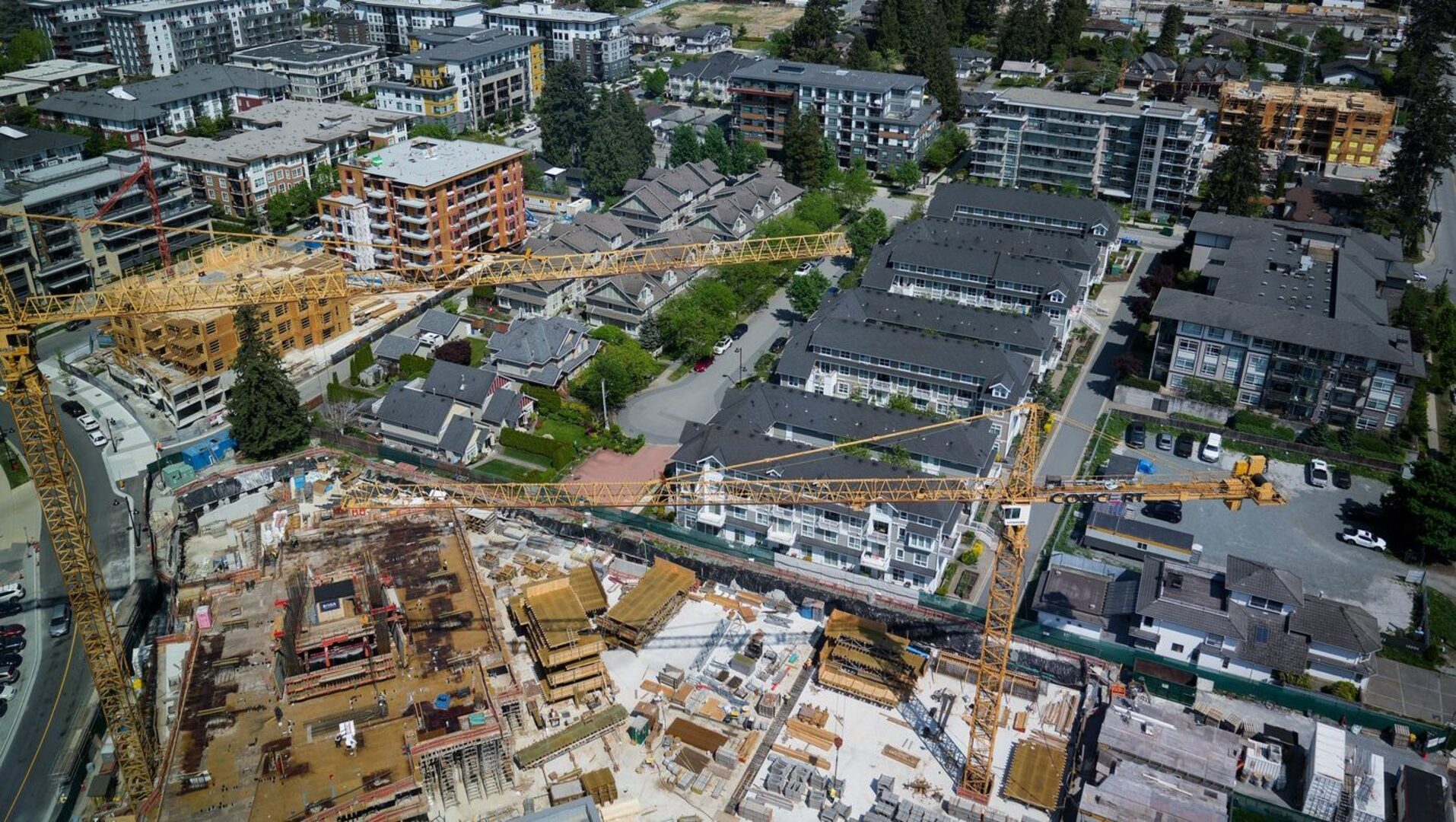
Since construction has begun, no unmarked graves have been reported with the current procedures in place to detect them. The site will become a new research and teaching hub for McGill University.
“We are having to deal with a system that completely annihilates us, denies that we’re here, that denies that we have anything,” said Kahentinetha, Kanien’keha:ka Kahnistensera, Mohawk Mothers.
“They don’t want an investigation of their wrongdoing and we Indigenous people then can never hold them accountable for what they did to us.”
In 2022 the group sued McGill and the provincial body that supports infrastructure projects — Société québécoise des infrastructures, or SQI — and obtained an injunction ordering a pause on the university expansion. As a result, the parties negotiated an agreement in 2023 for a panel of archeologists to oversee the renovations and monitor for the possibility of graves. Cultural monitors were also present in the event graves were found.
But following a conflict on the terms of the deal, the Mohawk Mothers group returned to court and obtained a safeguard order in November 2023 forcing the parties to abide by the agreement. However, the Quebec Court of Appeal overturned that ruling in August 2024, calling the agreement unenforceable and vague, a decision that led the Mohawk group to seek leave to appeal at the Supreme Court.
The Mohawk Mothers said a limited part of the site has been investigated and dogs have detected the scent of human remains in three areas. They said one of those areas has been destroyed by construction equipment.
“We are extremely concerned that the same will happen with the two remaining areas of concern if there is no legal recourse to prevent McGill and the SQI from further destruction of evidence,” the Mohawk Mothers said.
In a statement, the public infrastructure body said it has always acted in good faith.
“The SQI has always expressed its desire to shed light, in a spirit of collaboration, on allegations of the presence of graves,” said Anne-Marie Gagnon, a spokeswoman for the agency. “The SQI and its partners are committed, in good faith and rigorously, to conducting and continuing archeological research accompanied by experts in the field.”
-With files from the Canadian Press