Many Montreal metro stations rated in poor condition
Posted May 10, 2025 4:02 pm.
Last Updated May 10, 2025 5:23 pm.
Montreal’s metro system is nearly 60 years old, and it’s starting to show its age. A new report from the STM reveals that almost half of the stations are in poor or very poor condition—and without additional funding, emergency closures may be on the horizon.
“Now is the time to repair the metro,” said Éric Caldwell, Chairman of the Board of the Société de transport de Montréal (STM). “If we don’t, it may no longer be as reliable as it is today.”
Until recently, the STM believed only nine stations were in bad shape. But a new assessment method—similar to one used by Quebec’s Ministry of Transport—shows the situation is worse than previously thought.
The updated rating system ranges from A (very good condition) to E (major defects). Of the 68 stations, 31 received a D or E, indicating serious structural deterioration. Only two stations—Cartier and Montmorency in Laval—earned an A rating. Not coincidentally, they are also the newest stations in the network.
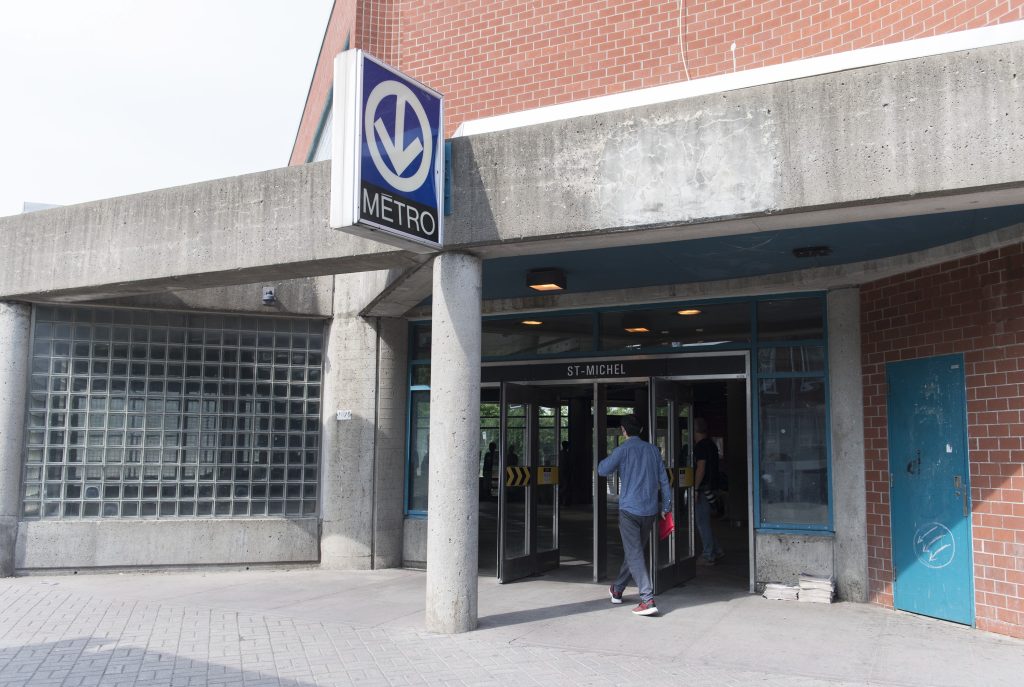
Five stations, including Saint-Michel, Peel, and Champ-de-Mars, received the lowest possible grade.
Local riders are noticing the decline.
“I think they’re very dirty,” said one commuter.
“About 70 percent of the time the [mechanical] stairs are okay,” said another. “The other 30 percent, they’re not reliable.”
“It’s better than before—before, it smelled awful,” added one Montrealer. “Now it’s at least cleaner.”
“I think the infrastructure is beautiful,” said another.
Last October, structural concerns led to a six-week shutdown at Saint-Michel station. Now, STM’s board chair is warning that more disruptions may be unavoidable if urgent repairs aren’t prioritized. He emphasized that safety will always come first—even if that means temporarily closing more stations.
“It happened last year at Saint-Michel station, where we had to shut down three stations,” Caldwell said. “That’s why I say our metro could become less reliable—we will not compromise on rider safety.”
The STM estimates it needs $585 million over the next three years to stabilize the network, address water infiltration, and prevent future shutdowns. Instead, the agency is facing a $258 million funding cut, according to the provincial budget tabled in March 2025.
“We’re at a point where funding should be increasing—or at the very least remain stable,” Caldwell said. “Instead, it’s been cut for the next decade.”
The STM is now making an urgent plea for increased investment over the next five years.
“In the last budget, the government was clear—we need to invest in infrastructure so it doesn’t fail us,” Caldwell said. “That investment has been applied to schools, hospitals, and roadworks. It must also apply to the metro. Our metro is nearly 60 years old—it’s aging. We cannot delay investment any longer. If we want the metro to serve the next generation as well as it has served the past ones, we can’t let it fall into disrepair.”