New Montreal police street check policy met with skepticism
Posted May 27, 2025 5:23 pm.
Last Updated May 27, 2025 5:56 pm.
A new Montreal police policy requiring officers to inform citizens they are free to leave at any time – and are not being detained – is being met with skepticism by community leaders.
Under the new policy, SPVM officers must also tell people why they are being stopped based on observable facts.
“It depends a lot on how that information will be communicated to the citizen who is stopped,” said Fo Niemi, the executive director of the Center for Research-Action on Race Relations (CRARR). “It’s not guaranteed that a police officer will tell an ordinary citizen of this information.”
Niemi believes how the information will be clearly communicated to people of colour, people with intellectual disabilities or new immigrants – without escalating the situation – could be a challenge.
He says it largely depends on “how the police officers are trained.”
The police force said it is hopeful the measures will also improve communication between officers and the person stopped. It said street checks remain an important tool for police.
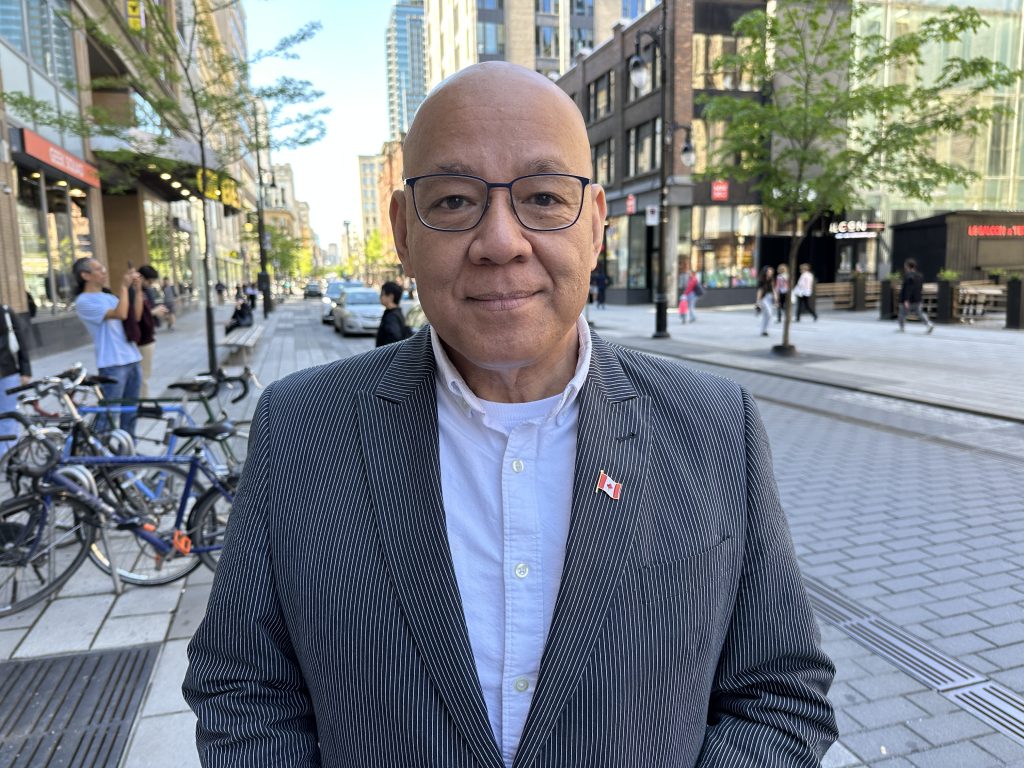
Nakuset, the executive director of the Native Women’s Shelter of Montreal, says she would like the SPVM to speak to Indigenous organizations, which represent one of the most racially profiled groups, to explain the new policy to them.
“Have them present it,” said Nakuset. “‘Hey, guess what? We’re changing our ways. Now when we stop you, this is how it’s going to look.’ And that way they’re actually sharing what the new policy is so that we are all informed. Because if we’re not truly informed and they say you can leave, people are going to be like, ‘uh, is this a test? Am I going to like move and then you’re going to shoot me?’
“You come over to us and tell us what your new rules are. We’ll see if it works or not.”
Ricardo Lamour, a Montreal community organizer and human rights defender, is critical of the SPVM’s new policy, calling “late” and “timid.”
RELATED: 5 years after George Floyd: How has the Montreal police changed?
Lamour is also questioning the timing of the announcement – the day after the fifth anniversary of George Floyd’s murder.
“It hijacks the fifth year since George Floyd’s murder,” he said. “So I think that the police forces have always been very sophisticated in regards to communication. They’ve chosen the date to relay some form of message.”

Ted Rutland, a Concordia University professor who researches violence in policing, says rather than introducing this new policy, Montreal police should have instead abolished police stops or street checks altogether. Rutland says they contribute to racial profiling by disproportionately targeting Black, Indigenous and Arab people.
“The police should just eliminate street checks,” Rutland said. “They are, they contribute to racial profiling. They contribute nothing to public security. And they violate people’s constitutional rights. Simple.”
Authorities had pledged to address public concerns about street checks after an independent 2019 report indeed revealed Indigenous people, Black Montrealers and people of Arab descent were more likely to be randomly stopped by police.
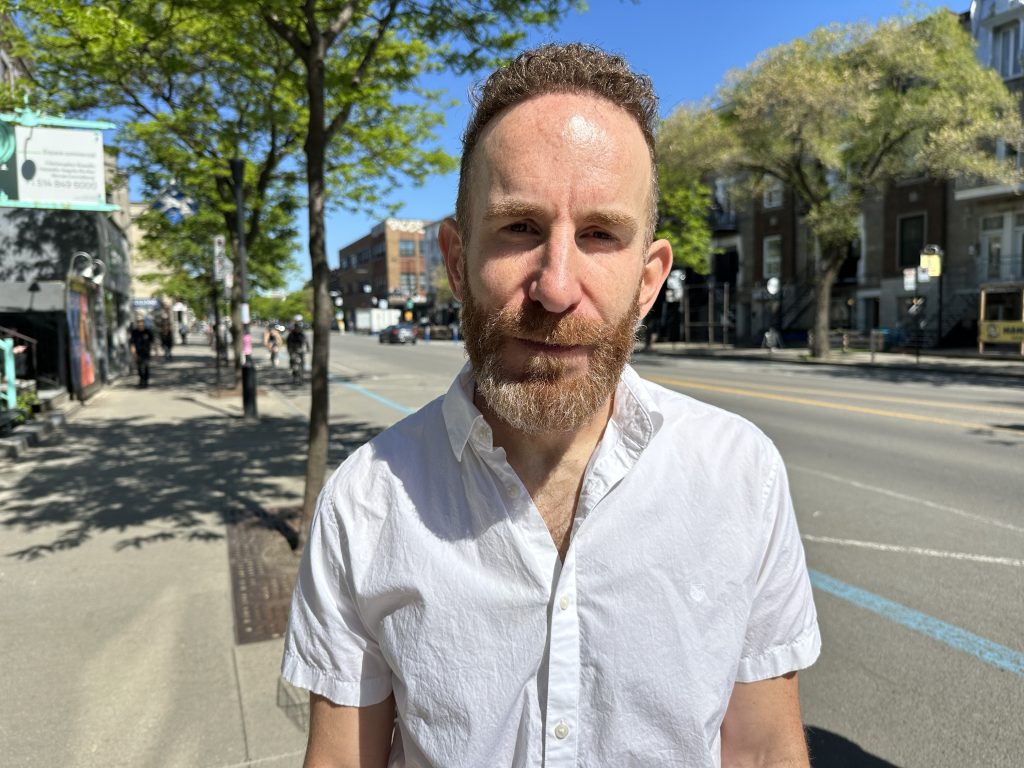
Alain Babineau, the director of racial profiling and public security at the Red Coalition, feels the new policy is simply “disguising something fundamentally flawed.”
“When individuals are approached by the police based on supposed ‘observations’ of certain ‘facts,’ they often feel an inherent psychological pressure to comply, even when informed that they are not legally required to do so,” said Babineau, who is also a former RCMP officer. “This situation effectively results in ‘psychological’ detention, activating fundamental constitutional rights.
“Across the country, every other law enforcement agency, including the RCMP, has prohibited this practice, unless legally justified. However, as of 2025, in this province, the SPVM and other police services continue to apply superficial ‘make up’ to a practice that inevitably results in racial profiling. This ongoing issue continues to highlight the need for greater citizen driven reform and accountability within law enforcement practices.”
In 2020, Montreal police developed a new policy that banned street checks “based on discriminatory criteria” and required officers to explain their reasons for stopping citizens, among other measures aimed at reducing racial disparities.
The province followed with guidelines that mirrored Montreal police policy: that the practice of stopping citizens to collect and record their personal information shouldn’t be random, unfounded or discriminatory.
The provincial guidelines say that while stops are essential for public safety, they must be based on observable facts or information that gives police reasonable grounds to intervene.
–With files from The Canadian Press