Montreal hosts first global school aimed at tackling extreme heat
Posted July 21, 2025 3:11 pm.
Last Updated July 22, 2025 6:08 pm.
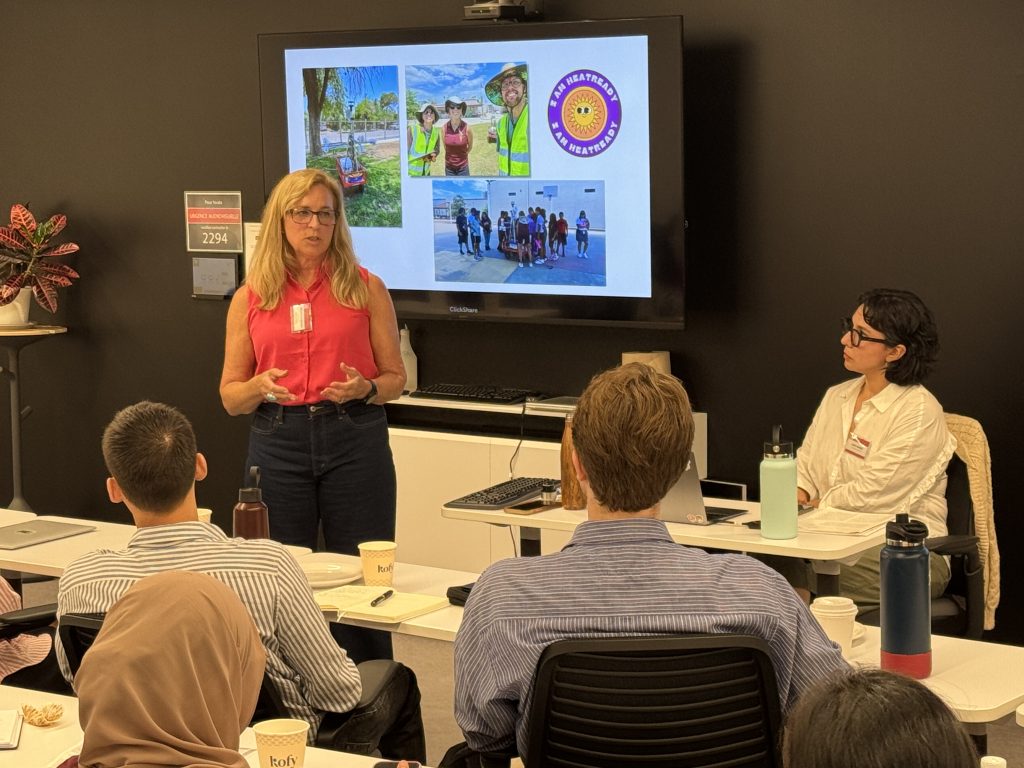
As climate change fuels hotter and more frequent heat waves, experts from around the globe convened Tuesday at the Montreal Heart Institute to discuss strategies on how communities can better adapt to severe heat.
Montreal’s inaugural Global School on Heat Adaptation, a week-long conference running from July 21 to 25, brought together 20 graduate students from 10 different countries. Their focus: to develop practical solutions to living in a hotter world.
“It’s most definitely a global problem,” said PhD candidate from London’s King’s College Shoji Leach, who said that last week’s extreme temperatures in Montreal reminded him just how widespread the problem has become.
Now midway through the summer, Montreal has been scorched with sweltering weather — with humidex values pushing mercury up to 40°C last week.
Leach said that a disparity in infrastructure across different countries makes it even more important to address climate change on a global scale.
“People who are from more developing countries are seeing worsening impacts of climate change compared to more developed countries,” he said. “Air conditioning is more affordable and (developed countries) have got the resources to actually more protect themselves from these extreme heat.”
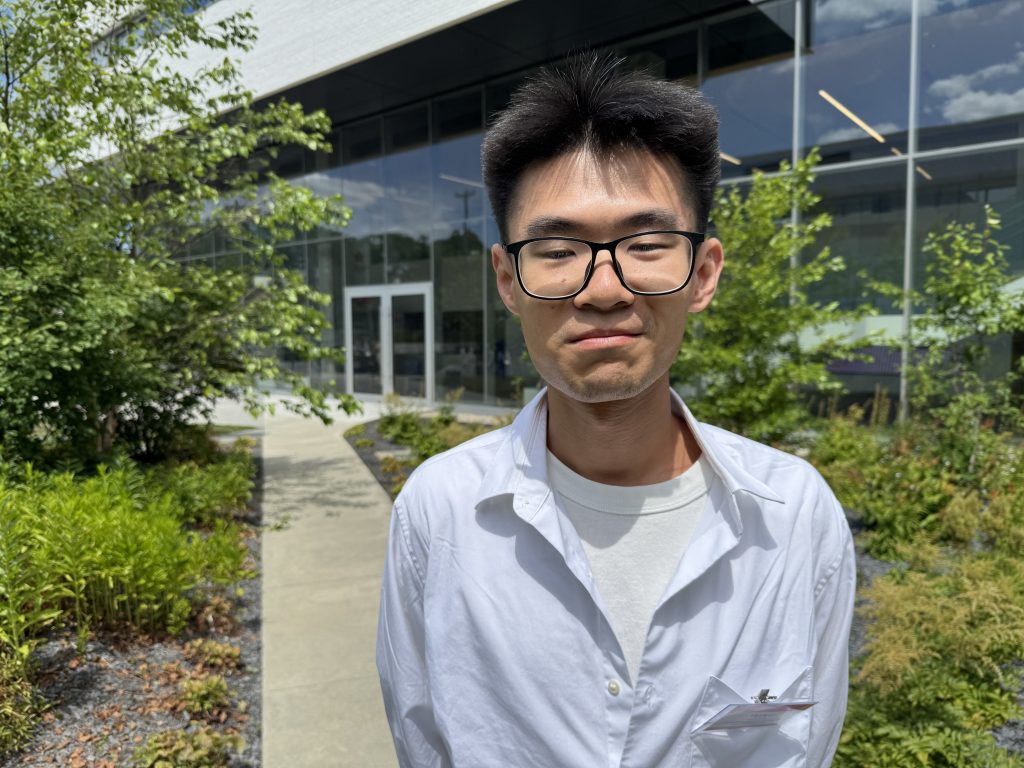
For other participants, that difference means that more vulnerable communities require additional support.
“Collaborations between people are important for dealing with heat,” said PhD candidate Yulin Li from the University of Hong Kong. “Even if it is the same topic, people view it from their (own) angles.”
A melting pot of ideas, the conference brought together academics from diverse backgrounds, all emphasizing that it takes more than one kind of expertise to tackle rising temperatures.
For Li, who works in landscape architecture to design public spaces that are adapted to extreme heat, teaming up with experts from other fields helps make his work more effective.
Climatologists, for example, provide important climate models that are essential to his design process, he said.
“As a someone who works in the design industry, I use these models to solve my problems,” he said. “It’s important for me to understand what they are doing with their models. For them, it would be also important to know the challenges I face.”
At the centre of the conference lies its crown jewel, the heat chamber at the Montreal Heart Institute capable of reaching temperatures as high as 80°C.
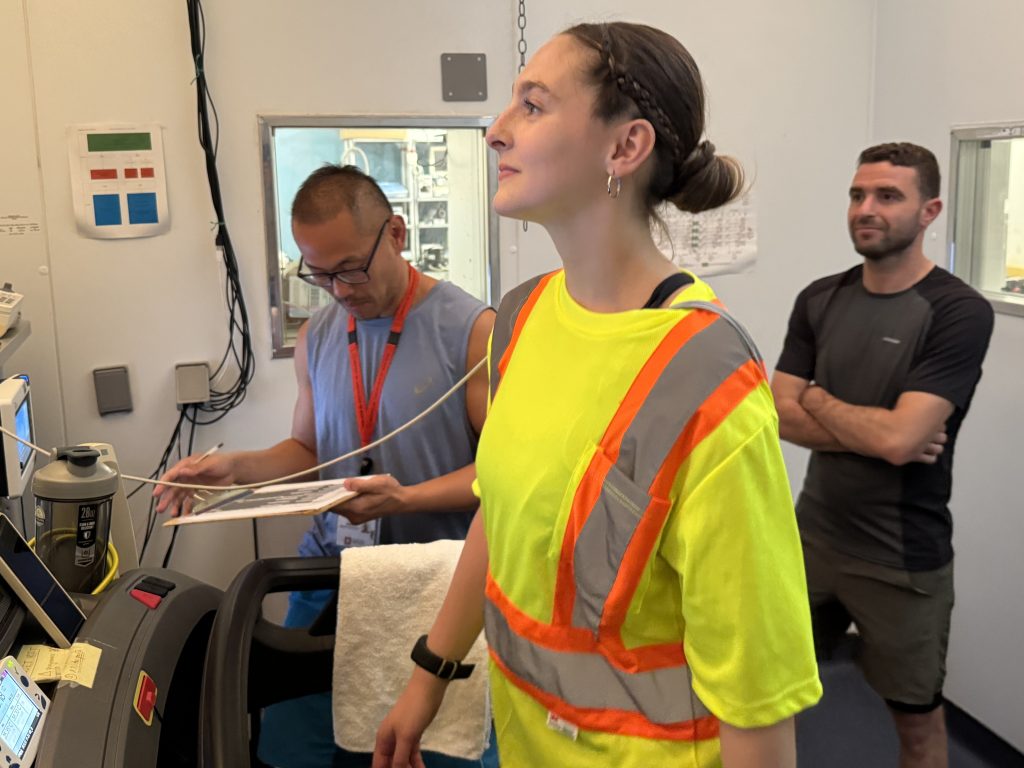
Although used by local researchers to study how the body reacts to intense heat, researcher Daniel Gagnon says it’s more than just the science. He said that participants are scheduled to observe demonstrations and even step inside the chamber in an experience he hopes will inspire new ideas for those attending.
“If we really want to talk about heat adaptation,” he said, “we need different perspectives from different disciplines, (and) also from different experiences from where we come from or where we live.”
Gagnon said that sharing knowledge and perspectives is at the heart of the conference, and that only by collaborating globally can we find strategies to combat severe heat.
“We can learn from each other,” he said. “That’s where hopefully we can come up with more comprehensive solutions.”
–With files from La Presse Canadienne